Ecommerce and DTCEntrepreneurship
How Alibaba became an $800 Billion company in 20 years
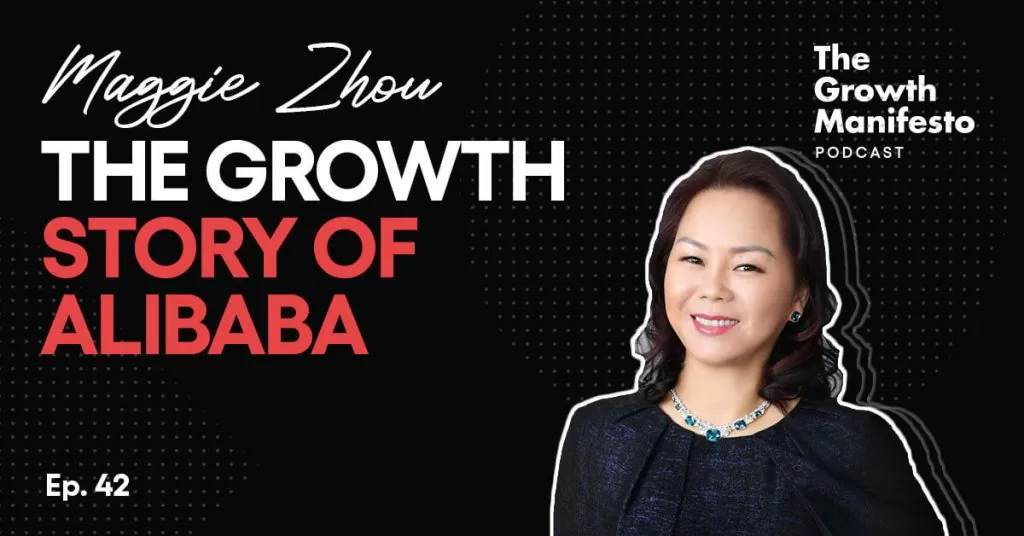
Maggie Zhou traces Alibaba's growth from Jack Ma's Hangzhou apartment to an $800 billion group, and how Tmall helps Australian brands sell into China.
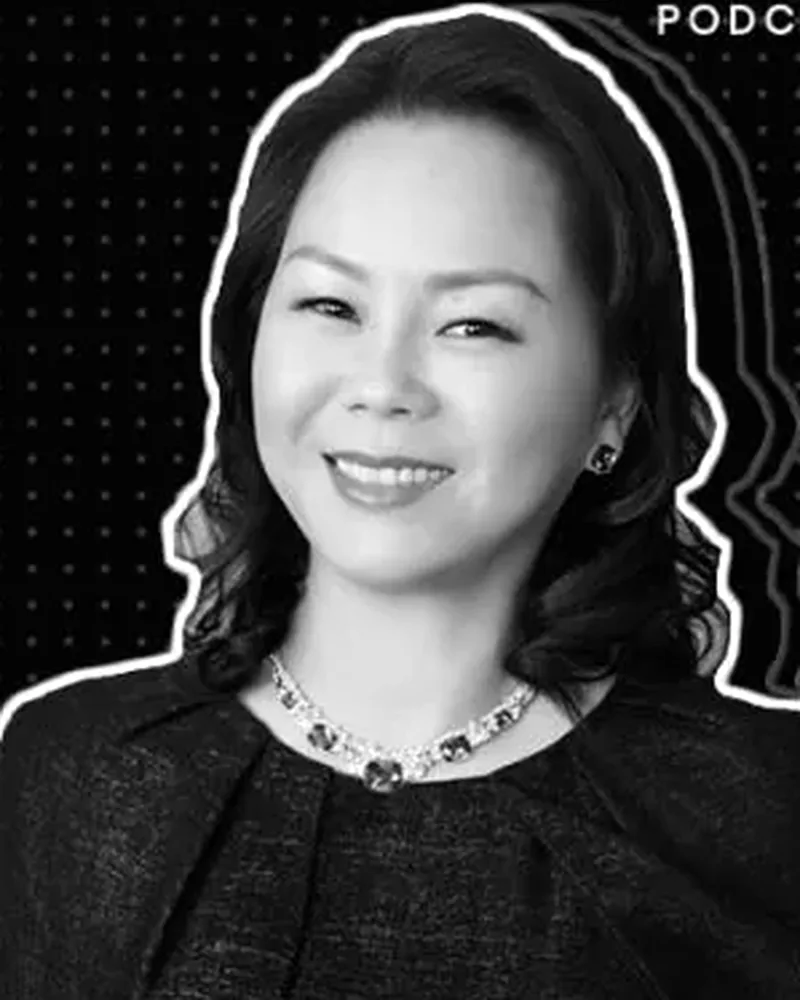 with Maggie Zhou


Overview
This episode is a discussion with Maggie Zhou – Managing Director at Alibaba Australian & New Zealand. We talk about how Alibaba went from a small business in Jack Ma’s apartment in Hangzhou to the $800 billion conglomerate it is today, plus we talk about how Australian and New Zealand businesses can expand into China using Alibaba’s tmall global service (which I highly recommend you check out).
Key takeaways
- Alibaba dropped its free-of-charge growth strategy during the 2000 internet bubble and pushed every team to earn one RMB more than it spent.
- Taobao overturned eBay China's 95% market share within three years by adding instant messaging between buyers and sellers and building trust through Alipay.
- Alipay began in 2004 as an escrow service, holding a buyer's payment until they confirmed the product matched what was listed on Taobao.
- Alibaba changed its vision from enabling commerce to lasting 102 years, prioritising being a good company over being a strong one.
- Alibaba ranks customer first, employee second and shareholder third, arguing shareholder returns follow once customers and staff are looked after.
Chapters
About the guest
Transcript
Auto-generated from the episode audio, so expect the odd mis-heard word. Timestamps open the video at that point.
One of our values is also change is the only constant, right? Because the customer is changing, industry is changing, or the environment is changing. So we need to embrace the change. Even we will lead the change. If there is no one we can follow, we will lead the change. You're listening to the Growth Manifesto podcast, a Zoom video series focusing on what it takes to drive growth in today's competitive business environment.
Brought to you by Web Profits, a digital growth consultancy that helps global and national businesses attract, acquire, and retain customers through digital marketing. This episode is a discussion with Maggie Zhou, Managing Director at Alibaba Australia and New Zealand. We talk about how Alibaba went from a small business in Jack Ma's apartment in Hangzhou to the $800 billion conglomerate that it is today. Plus, we talk about how Australian and New Zealand businesses can expand into China using Alibaba's Timor Global Service, which I highly recommend you
check out. So let's get into it. Today, we're talking with Maggie Zhou, Managing Director of Alibaba Australia and New Zealand. Maggie started her career at Alibaba as employee number 48 back in 2000 and served as Jack Ma's Executive Assistant for nearly five years. She then co-founded the Taobao Marketplace in 2003, the world's biggest e-commerce website and seventh most visited website in the world, according to Wikipedia. Maggie was appointed
Alibaba Group Managing Director for Australia and New Zealand back in March 2016 and is responsible for building the business here. Today, we'll be talking about Alibaba's growth, the Taobao journey, what it was like to work with Jack Ma and Alibaba's focus here in Australia. And just quickly before we get started, make sure to go ahead and hit that subscribe button so that you get the latest episodes as soon as they're released. Now, let's get into it. Welcome, Maggie. Good morning, Alex. Good morning. Fantastic. I'm very excited about this podcast because there's so much I want to know about Alibaba.
And what's interesting is that you started 21 years ago almost. Is that right? Yes, next month, January 3rd will be my 21 years anniversary in Alibaba. Yeah, it's really exciting about that. So you've seen a lot of change. I mean, Alibaba started as just like an idea 21, 22 years ago. Now it's one of the biggest companies in the world. What was that journey like? Well, Alibaba, actually, yeah, you know, in my last 21 years in Alibaba,
I really feel very proud in this company. And the thing is the company is a different company and set up the vision on the first day. The thing is that, you know, our mission is to make easy to do business anywhere. It has never changed even to today. and you know jack ma our founder yeah he's a idealist right so they so this company is really a dream driven company so i like that so you know i can you know still work in this company for so
long time still keep my passion in this company well here's some interesting stats right and again this is this is just the stuff i found online um the alibaba is its world's largest retailer and e-commerce company it's one of the largest internet companies it's the fifth largest artificial intelligence company it's one of the biggest vc firms it's one of the biggest investment corporations in the world it also hosts the largest um the largest marketplaces in the world from the b2b perspective which is alibaba the c2c perspective which is taobao and the b2c
which is the T-mail marketplace. And its online sales have surpassed pretty much all of the U.S. retailers, including Amazon and Walmart plus eBay combined since 2015. That's a lot. Alice, you know, this company, you know, I just don't want to make people confused. So many businesses in Alibaba, the whole family. We started actually from B2B business in 1999.
And that is Alibaba.com. We help a lot of small, medium-sized companies to sell their products to all over the world. We started from China, started to help the SMEs. You know, in China, actually, more than 90%, the business is a small, medium-sized company. And they actually lack of the resources, lack of the network. So that we started from that to help them. But now actually this B2B business is now help all the SMEs around the world.
You want to expand your business to all of the world, right? Even in Australia today, we also see that it's really a great opportunity even after COVID because there you can have the very, just a lower entry to step into. But now Alibaba, it's not only that one business. So that's what you mentioned. We have the B2B and the C2C and B2C business. That's a cool business. And then we have the online business, but also we have the new retail online, offline combined together.
So e-commerce part, entertainment part, and lifestyle part, the local lifestyle, all these platforms, supported by payment Alipay, Alibaba Cloud Business, and also Cainya Logistics. And also we have the Alimama advertising platform, you call Alibaba. And also we have the Mama, Baba Mama. So today Alibaba is in the digital economy. And we really think that the digitalization will be the future opportunity for many businesses.
um and there's so many parts which we're going to talk about with exactly what you just said which i'm very excited about because i have lots of questions which i'm sure that lots of others do as well let's start at the very beginning so how was it like in the very beginning because it was just an idea and you were employee number 48 so what was it like you know at the time when you first started you know when um alibaba started in 1999 we started from b2b uh and people maybe today don't know there is also a B2B business in US that called Ariba and now it has disappeared
but that is a you know it's totally different model the Alibaba B2B model actually is generated by Alibaba created by Alibaba itself because in the Ariba in China in US many business in China, you will see those internet companies, some of the model is from U.S., but the Alibaba is originally generated by Alibaba. So Ariba, that B2B business in U.S., they serve the
giant company, want to help them to save the cost. But a lot of just SMEs, and at that time, what I mentioned, more than even 95% of the business in China is SME. They don't need you to help them to save the cost. They know much better than you how to save the cost. Actually, they lack of the resources, don't know where to find the buyers, right?
So we just focus for the SME to create the platform for buyer and seller can meet together online. to help them find the buyer around the world. So that's, I think, is a really different that our model. And Alibaba, people are so curious about why is the name Alibaba? Alibaba, you know, is from the very famous story, right? Yeah, and lucky and happy youth also found the fortune in the cave.
It's called Open Sesame, right? Open Sesame and then open the door and you can find a lot of fortune in the Cape, right? But Alibaba really wants to have the Open Sesame online code for the SMEs. And then when you open the door online, you'll find a fortune online. Yeah, that's our idea on that. And, you know, it's Alibaba, it's interesting. You know, it's the early days when you just build up the business.
The website, the URL, the name is very important. If you spell it wrong, it'll maybe go to other websites, right? But very interesting, Alibaba, whatever is Chinese, or the English, the spelling is all A-L-I-B-A-B, Alibaba. It's the same. No one will spell it wrong. Yeah. So how hard was it in the beginning then to get the traction, you know, because now it's got over 122,000 employees.
Back at the time was like 48 and it was just an idea at the beginning of the internet. How easy was it to grow in the beginning? I think it's really not easy. Right. But, you know, we started from English website actually is for the, for those that will be doing the international trade, right? And those small, medium-sized companies, they found it's really useful, and they will spread mouth by mouth, right?
And actually, at that time, Alibaba was not famous in China, but actually, it's already many, it's a little, a lot of people know about in America, many buyers that they found, And it's really the rest of the websites in China can help them to find the suppliers. So, you know, many people didn't know in China about Wall Street Journalists already got that and flew to Hangzhou to find what kind of company,
a website just behind the computer, right? So that's what I think is a very interesting early stage. So I remember because I've been in the digital marketing game since 2001 and about 2004 there was some course i did and they were talking about how to go to china to import stuff to sell on the internet and alibaba seems to have solved this this gap between just being able to get product from china in an easy way to international places yeah so uh you know
two uh we found it 1999 1999 in china uh you know is uh what is the in the internet internet we call internet a bubble internet a bubble but jack said in the bubble and the beer that is the bubble is the most of that's the one best thing right but 1999 my heart um internet in china is so so whole net is uh is those that actually is a portal model right and one day you know the founder of yahoo
uh jerry young and and he he met and jack and they have a a conversation jack and and i say jerry say what do you want to say i want to do he said i just want to do a portal and so what do you what do you want to do Jack? And Jack said, I want to do business. So business maybe, at that time also NetEase doing the gaming, right? So Jack said, it's a business that maybe will be the long lasting gaming
for people want to play, right? So they just started that idea what to do on the internet, doing the business, helping people to do the business. And so when did things start to really change? because, I mean, you went from 48 and then you went to 500, to 1,000, to 2,000, to 10,000, up to 122,000 staff, you know. So how long did it take for Alibaba to really start to see traction, you know, to really start to grow quick?
I think different stage, different growth, right? Alibaba, you know, today people say, Alibaba, you're already successful. but we actually experienced a lot of just difficulties, adversity, and many other people maybe they also experienced. We experienced the same. Like what? So internet bubble, right? That's 2000, actually started the internet winter.
And many business, even like, so at that time, there is a B2C model. Today we have the T-more. right? 2000 already have a B2C model that is AA4A. But today is also no other companies still there. No, maybe started too early. Sometimes when you just create the business at the right time is also very important. Right? So at the internet, when bubble comes,
it's really very hard for Alibaba as well. And you know, we got the investment in 1999, 5 million US dollar from Goldman Sachs, from Invest AB, several investor men together gave Alibaba 5 million US dollar. So that's the first of all, but you know, it's a, burn the money is very, very far, right? And when internet bubble comes, many people are suffered about that same did Alibaba.
So we actually change our strategy. Before that, into that winter, Alibaba is all the business is free of charge, right? And just want to attract more traffic and the people gather together and the later we'll find some, right? In the model for revenue, right? So it's really winter is very hot. So we change our strategy. We, our strategy is B2C,
but that is not the business model B2C. B2C means the back to coast. I mean, in China, coast area, those business, the small, medium-sized business, they develop better than the West, right? So we're back to coast. Back to center, before, but actually we, at that time, we also had a headquarter in Shanghai. many internet business, they put their headquarters in Beijing, Shanghai.
But you know, it's too crowded and people won't notice you, right? So actually Alibaba founded in Hangzhou, a very quiet city. So Jack said, back to center, we just to our basic in Hangzhou. So with that, it's a B2C business. us, we just protect us much better. And also, very early stage, we recruit a lot of engineers with a very high salary from Silicon Valley. But actually, you know, and this Reddit is
you don't need a Boeing 747 engine, right? At that stage. So we just let them back to Silicon Valley, we just focus on what we can focus to serve the target and clients better at that time. And also we want to save the cost internally. Like you turn off the lights when you go home, you print on double side, all the things.
And to just, so we want the target at that, the goal is at that year, just we want to be survived. just earn $1, one RMB. That means that just if you spend $1 million, you need to earn $1 million and $1, right? So everyone feels that is, maybe I say one cost, $1 cost, I will help the company to earn the money. If we just to have more clients on the platform, maybe I'm the one to help the company to earn $1.
Everyone has the ownership and the responsibility. and then how long did it take for that to happen how long profitable yeah how long did it take because obviously like you had to change pretty quick there was the bubble crashed it was the beginning of winter how long did it take to be profitable after that point you know to make that one dollar in profit yeah one rmb one dollar we um that year actually we earned even 500
thousand RMB. So that is every year and then the next year, we saw $1 the whole year and then just $1 every day. Yeah. So we have the different target. Every year we just realized very well even this exceed our expectation. Yeah, fantastic. And then you floated for the first time in 2009 in Hong Kong.
You IPO'd in 2009, which was the first public listing. And then again, you did another public listing in the US in 2014. Yeah. And so there was a lot of growth that happened in that from the internet winter through the global financial crisis past that point, There was a lot of growth. How did that change the company? IPO actually always not our goal.
Yeah. So actually the first time we IPO is 2007 in Hong Kong. That's for B2B business. That's 2007. Sorry. I got the date wrong. Yeah, no worries. But Jack actually, you know, have those also those target at the beginning and say we will be that listing company but some of the employees maybe could not wait for that and leave right but 2007 is already eight
years alibaba started right so when we just IPO the very people just say oh we eventually IPO'd, right? And some people maybe think, oh, maybe I can just have a relax. So Jack actually will, he's always the person think different with others. When people are very optimistic and he will feel worried. And when you feel upset, he always encourage you, right? So when
the first time when we IPO-ed in Hong Kong, he sent an email to everyone that this is the biggest crisis for Alibaba. Because if you feel that you can rest, you can relate, maybe that is the biggest crisis for a company. So IPO is not the goal. it is uh it cannot stop it is a stop for for you to to add fuel to add fuel and to go ahead
give you energy and then you yeah will go ahead will be much stronger more confidence to go right so that is the one one thing and the thing also and what jack actually i what i mentioned he always think it's a different. Second year after we IPO, it's 2008, it's a global financial crisis, right? So all the company was suffered
for those global financial crisis. And the people also in the company, some will be very upset. What's the future, right? Jack sent another email to all the employees, say this is the great opportunity for Alibaba to take our responsibility to help out those SMEs, to create the value for them. Because Alibaba actually, we actually still have enough cash and we can do more things.
When people maybe suffered, we may, yeah, to put our resources to help them together to confront those difficulties. So that we put out our Spring Thunder plan to support those SMEs. Something is really something like this year, when COVID come, we also put out our Spring Thunder 2.0 version to support our SMEs to give them support like annual fee,
like financial those loans and to support them right so that is I think from Jack Ma's leadership you will feel that he's a very inspirational people and always can will inspire people at that time at the right time yeah give you energy and you will feel all full of energy and just to strive for the future, to help our customers.
It really can get together, unified together to help our clients. And how did he do that with so many staff? Because he sounds like a very inspirational leader, but I would say by the time he went public, there was like a lot of people in the company. So how did he maintain that inspiration, that drive across everyone? Yeah. So when I mentioned at the first where we talked, this company is a dream driven company.
So we actually built up our value system in the very early stage, 2000. year, we actually have our senior executive COO who was from GE. And GE also is very famous about the build of the value system, right? So we learned from that and built our own value system. And those value actually was in our blood DNA for Alibaba at the early stage, but we haven't
summarize that and then we build up those costs on the the value system and then you know when when company only have 18 founders or maybe 100 people it's easy to have the people have the same value but when the company is already 100,000 more than 100,000 even today is 200,000 employee number it's hard as what you said it's hard to have the people have the same value right so we actually
put those custom so those value system into our performance review performance review one percent and one part is the business performance review the other part is the value side but values are some some people will say oh it's really like a not solid one how can you measure that right so we have very specific the explanation for each value have four points
will be the higher and higher standard but if you want to get the higher school and that you the staff yourself have the example and the leader also need to have the example to prove that you you have got that and those conversation between the staff and leader to talk about the value actually is also the process when you emphasize the value of the company and what's the difference
between the staff and leader also help people to understand the value better. So those value, it's not just talk, but actually those examples from your daily work and what's your behavior and reflect the value. So we really want to find a group of people have the same value. That would be really the DNA for the culture of Alibaba. Can help the company. we want this company to long last for 102 years.
So that is really the core thing we need to go. So, yeah, that was going to be my next point, actually, which is a perfect segue. The vision for Alibaba has recently changed to be a company that lasts at least 102 years. Yeah. Before it was to enable commerce, and now it's changed to last 102 years. Why the change? We actually, just due to Alibaba's history,
Alibaba founded in last century, 1999, one year. This century, 100 years. If we can still survive just one more year in the next century, we will be a company spanning for three centuries with the highest efficiency. And that's really very specific goal can give the confidence to the staff. But now actually we change a little bit as that for the, to be a good company,
long lasting for 102 years. We don't want this company to be a strong company. We just want to be a good company. So good company seems that we really want to create the value for our customer, create the value for our community, right? So that is the business for Goodwill, right? To be a good company, even the corporate social responsibility we will do, right? Yeah. Yeah, so that's our vision.
So what has changed in the company since you changed the vision? because now you have to change everything to last 102 years is like it's a big it's a big vision you know that's a lot of you have to look into the future far far away now into where everything will change into while not forgetting about the current so what's changed in the company since you changed the vision um the company uh i think the business grow uh better and better right and
we have grown from one business and now digital economy with different businesses. And many businesses, you may find some comparable in other companies, but that is just one independent business. But in Alibaba, those businesses combined together is really one plus one, even bigger than three can generate the chemical thing,
chemical effect, right, to help the clients, right? So business, I think, is a change is because one of our values also changes the only constant, right? Because the customer is changing, industry is changing, or the environment is changing. So we need to embrace the change. Even we will lead the change. If there is no one we can follow, we will lead the change for our customer as well.
So business actually always will keep changing just according to different format. Even today, we grow for 21 years. Still a long journey need to go, right? So Jack also mentioned, we actually started some part of the business. And Jack actually a few years ago mentioned in the next three decades, five news will change the world. New retail, new manufacturing, new finance, new technology, new energy.
We started new retail. So like it's a Herma Fresh, right? It is an online, offline combined together. and cool of the new retail is the customer experience, right? And we just this year launched a new manufacturer. New manufacturing actually, it is really a different way. Maybe the last few centuries,
the business is B2C. is the manufacturer just manufacture the things and supply to you, right? But today is the demand is even bigger, right? And even different people have a different demand. So supply sometimes could not meet the customer's demand, right? In the future, the model should be C2B.
be. So it's from consumer generated. What's the demand from consumer and the manufacturer manufacture the things and supply to the market? And how can you do that? Actually today, all that is a data intelligence can help the manufacturing to manufacture the better thing. So last century, the B2C supply chain is that standard and also big scale.
But C2B maybe is customized and small scale can be customized due to the data intelligence, understand the consumer behavior better and supply better, right? So this is the kind of things I think will keep changing. But what value will not change, I think, is our value. Our value will not change because that is the DNA to gather a really different, I think it's not different,
I could say, it has the same culture, same value, and you can work together even more efficiently, right, and to get the goal. and division for the future. So you have the number one site in B2B, you have the number one site in B2C, and you have the number one site in C2C. Now you're creating a whole new category, C2B, consumer to business. I really like the thinking and I really like how far ahead you're
thinking. And also I understand more now the importance of the digital economy and controlling as many of the parts of it as you can because then you have the data and you have the supplies and you have the logistics and you have all the parts and then you can offer consumers a much better experience. Yeah? Yeah. And also you have the resources now too because it's almost a $1 trillion company. And so it's not exactly that. It changes all the time, but it's a very, very successful company.
But let's jump back now, back, back, back, 2003. You became one of the co-founders of Taobao. Hmm. What led to that opportunity? Interesting. At that time, you know, before 2003, Alibaba is always doing the B2B business. We have the alibaba.com English version, and then we have the Chinese version just for domestic business, B2B business.
In 2003, it is a competition with eBay China. So eBay China, they have a business called Eachnet. They know Eachnet in China now anymore. And we just found that actually is what we think. that say if we don't do the C2C and eBay, maybe we'll do the B2B.
Yeah, so, and we just want to find a lot of people also had that need, right? So we started Taobao, but very interesting. We, nine people from Alibaba team were selected and we're invited one by one into a meeting room. Say we will have a new project. But what's the project? I cannot tell you now. You need to sign the confidential
those contracts with the company. And then, yeah, we will let you know. But this project, maybe it will be success, but maybe it will fail. so maybe you you may you will leave the company uh uh anyway if you can accept sign it yeah just join the team yeah so all the people actually no doubt no hesitation and also english version of the legal count is complicated just oh just believe believe the company and then sign it
and then we joined that. And we went to the apartment, Jack Ma's apartment, which started at Alibaba.com before. So that Jack is an apartment now today is still there. It's like an incubation for all the business there. So we have those startup spirit in that area and start a new project.
So competition with eBay is really not an easy one, but it's also full of excitement because we actually competed with a giant. So competition is really like play with fun. When you just win a small battle, and we will be very excited, right? and have a small celebration for that. Right. So at that time, it's a very memorable days.
And we actually did different with eBay China, right? At that time, they had already more than 95% of the market share. We just started from zero and competing with them. And then we started from the service free of charge. and people say maybe you won the battle because you provide the service free of charge but that actually was not the reason we actually we and jack actually and and required us
doing the service free of charge the better than the charge of the service right and very important in China people actually have the habit when they shopping, they want to have a bargain, right? Want to chat with you. Even that they got nothing at the end. They just enjoy the process for bargaining, right? So for those things, online shopping is a different experience.
So it's hard, you know, for people to bargain, right? So we, at that time, very important. One is that we create the instant messenger, instant messenger in Taobao platform. So allow the buyer and the seller can talk freely, instantly. And then the other thing is actually is Alipay. at that time you know 2003 people shopping online is really lack of the trust
so if I sell the things to you you think so how can I if I could not get the products what should I do right I may just doubt how can I get the money right so those hesitation will stop the shopping right so we built the 2004 that we launched the alipay that is the actually the original intention is that to provide the escrow service so when i just sell the products to you
i could not get the money immediately you write the money to alipay and alipay hold the money and tell me, we got the money. You can deliver the products to the buyer. And when you got the products, you tell Alipay, oh, yeah, I got it. And this product is really the same as what described on the Taobao platform. Okay, you're happy? You're happy?
And then why the money to the seller? So that is really the escrow service. Because 2003, 2004, China, more than 80% people, they don't have credit. They didn't have credit card. So no credibility, right? So we're using those escrow service to build up the credibility. That's a really very important thing to build up the trust. So that's where Alipay started because Alipay is so much more than that now, isn't it?
It's funny how you came up with a solution to a customer problem or a challenge that was something completely different. And now it's such a big part of your business, Alipay, isn't it? Yeah, yeah. So always it's like that. So, you know, where there is difficulty or where there is a complaint, there is opportunity, right? So if you solve the problem and then that is the opportunity. so we started from those the business to solve the problem and later we found there is a more
need from the customer they really need and we can provide yeah so that's actually i think it's always the journey and that was a and that was such a hard problem to solve too especially you know how do you get like transfer cash for product purchases in a way where people don't have credit cards you know across all of China you know like that's not a small problem to attack you know but it shows the vision it shows how important this was and how much that you prepared to go to win
it's not easy or not easy even people should buy their money from post office to early pay a car today you cannot imagine that but at that day all the days really is like that and uh in our alipay office is a piles of document of the receipt from the from the bank that's really the early days how long did it take until you started to catch up to ebay you started in 2003
You did Alipay 2004. How long until you started to, you know? Three years we defeat eBay China. Wow. So Jack actually, you know, when Jack talked about the story in Wall Street, all the investors ran away. Yeah, they didn't believe on how people can defeat eBay China, right? So Jack actually very famous quoting, say, eBay is like a shark in the ocean.
And Taobao is the crocodile in the Yangtze River, right? If we fight in the ocean, we will lose. But we are just fighting in the Yangtze River. We are more familiar about those environments. So we will win, right? So you may find that we have a documentary and it's telling the story and Taobao period. It's the crocodile in the Yangtze River,
which was made by our former vice president of our PR department. Yeah, you can find from YouTube about the documentary. I'll check that out and make sure we'll put those in the show notes. so so you had alipay um you launched in 2003 how did you actually beat ebay you know in three years which is very quick for a company that already has what did you say i think like 95 percent of
yeah market share and then within three years you win like were there any strategies around like expanding the brand advertising on tv or like you know so were there things which you had to do to get the brand out there? I think that two things, what I just mentioned is the instant communication. So that's a service, right? Communication tool makes the customer experience much better.
Because eBay actually, they now allow people to have those conversations. So it's by email at that time, right? So this is the service we gave the much better experience. And the other also, like in China, most people have known credit card with Alipay give those services. So this is quite critical for that we can win that battle.
And also for those, we have the 24-hour services. Just like that, there was also the forum for people talking about the experience in Taobao. And also those like the leader in the social community, they will help us also do the service. telling others how you can shop on Taobao
and what's the difficulties, right? So we actually just leverage a lot of just our sellers together in that community at the early days. Yeah. And so word of mouth was very big for you, people telling other people. Yeah. That was huge, it sounds like. Yeah. And we started from the business for bidding, but even early days all the founders
found the stuff from home selling online and also at that time also my son just only a mouse I just put his to sell online a mini workshop sell online. So we have those very interesting experience. But later on, we found that the bidding is not the
way in China. So we build up just for the to sell the products to consumer directly. So you change to that. Okay. Yeah, cool. Well, I mean, there's so many parts to every one of your stories right now it's hard to really keep it all focused but I'm going to continue on let's jump because I have to ask you about Jack Ma you know because he's so famous he's got so many stories every time that you mention something about him it
sounds so inspirational what was it like to work so closely with him for so long you mean me yeah you what was it like for you to work so closely with Jack for so long I think I knew Jack before Alibaba. My first job is working in hospitality industry, a four-star hotel in Hangzhou. I was assistant manager, lobby assistant manager, solving all the complaints from the clients.
So at that time, I joined Jack's English club. he was an English teacher at that time. Yeah, so have an English club. So I joined that and knew Jack at that time. In 1999, I think many people heard about the story. He went to Seattle and a sleeplessness in Seattle, right? Met internet and loved the internet at the first sight. And when he back from Seattle and quit his English teacher job,
you'd have the first business China Yellow Pages. That is like a yellow page, but online. All the information on the business who wants to sell the products to the world to advertise them online. right but that time 1995 actually um internet infrastructure has not you know it's very poor we you know when you download our web page cost three hours and a half uh so how can people believe
something called internet people haven't met right though so people didn't believe jack called liar Cheetah. So it was very tough. But yeah, I made the hotel I worked for be the first client of the yellow pages. Yeah. So I just maybe blindly think future. Maybe that is something in the future, but not today, right?
So that journey also make me one day, I think it's a destiny. I joined Alibaba. Went back to me in 1999 when I worked in another hotel, be the manager of the front office, right, and leading a group, a team. But Jack actually said, how if you would join Alibaba, you just started from zero, from scratch. Even that today you have a team, right? And even that you ever make our hotel
China Yellow Page the first client, but that's early day, right? Today, Alibaba, also, you grow very fast. You need to do a lot of things. So I just started joining Alibaba. 2000 is the millennial year, right? So everything just became zero. So I just joined and chose the day, the first working day in the millennial year and made me empty the glass and learn from scratch
and do the things from scratch. And I think it's a really happy journey. What were some of the biggest things that you learned? I think from Jack, I learned things that always be positive. You know, Jack actually said we want to recruit people, love, smile. Yeah, like if you like small, you must be a positive people. When you're facing the difficulties,
you always can find the thing using a positive way, right? So this is the thing I keep and maintain always there. And when I be his executive assistant, I also learn a lot to try all the approaches you can. as possible as you can. And sometimes it sounds like, really sounding like so difficult, you could not get through.
But when you tried another approach and you found, you solved it. And the moment you solve it, it makes you really more confident. So all the things like, and before I be the assistant to Jack, in Alibaba, I joined the sales department. I have never done the sales job. And when I started to do that, I also doubt myself.
Can I do that? Will I lose it? But eventually that year, I became the top sales, national top sales, the first year top sales in Alibaba history. and that actually made me, oh, actually I can do it, right? And the later when I have the other difficulties, I also will encourage me. When I do sales, I never did it,
but I did it. I success, succeed, right? And why not? I try this one. Even I haven't experienced it before. Why not? I try it. if not now me if not now when if not me who right this is also our value right so this is something i think is also positive and give yourself confidence that and will um encourage me what do you think it was about jack that led him to grow alibaba to nearly one trillion dollars in
value from a small apartment in Hangzhou. You know, he started, I mean, because lots of people start in a small apartment, it's a business, right? Lots of people, everyone that starts a business is normally in a small place. It's in kind of home office or it's like in a small office somewhere. But something about Jack or about the team led to it becoming the size that it is today. What do you think it was about Jack's leadership Or about kind of how he thinks
That led to that I think He has a dream And then always keep the dream And Stick to make the dream Be realized That part is I think You know back to the early days He even say that Alibaba Will be At that time say 5 billion US dollar company. But that's just a company, 500,000 RMB,
the fund from the pocket money from the founder. How can people believe that? I think many startup companies or leaders also have the dream. But how can you just inspire people to make the dream be realized. That's very important, right? But teamwork is quite important. So Jack always say, I talk in public, my team make the dream be realized, right?
That's the teamwork. That's our teamwork, right? So that's the teamwork between the leader and the team. This is quite important. And Jack always, even in the very early days, he traveled around the world and met different leaders, different people. And that actually also broadened his vision. Something the team may not have seen, but he has already seen or already have heard.
And those things also insights is quite important. And each time when he came back, you know, it's Alibaba early day. Every year he participate in the Davos Forum. Davos Forum full of all the country leaders there, right? And he will share his experience and learning insights from those leaders to the team, right? And all the goal, something really sounds not realistic, but people, he will have the leadership to make the team, gather together, make it happen.
and the small success will also give the team the confidence say oh there's something jack said is some something sounds not reason reasonable it sounds not realistic why not we try it and later on you find you realized and then now why not the next one right even though I see you you say I'm so ambitious right but yeah those ambitious
those goals still can be realized that thing is I think is really leadership you believe the belief persist to the persistence and get the team to to down to be done for all those goals that That's this real leadership. Yeah, for sure. And I mean, if we have a look at how much has been achieved in the last 20 years, which is not that long, and Alibaba has done some amazing things, the ecosystem, everything about it is vast, to say the least, you know?
Yes, it came out of doubt, right? 21 years just from a teenager to adult. So still a long journey to go. Still a long journey. Let's jump to Alibaba Australia and New Zealand. So you came here in 2016. What's Alibaba's goal here in Australia? Well, that's due to our Alibaba, one of our Alibaba strategy, globalization.
So globalization, from my understanding, is globalization, right? You need to localize for those business. Oh, we need to close to our clients here and respect the local culture, respect those people's insights here, right? So we have market insights, local market insights. That's very important when people go to another market.
Yeah, we show our respect. And I think it's also for here, the business goes step into China market, into Southeast Asia. Also need to understand that market, understand that market culture. And you can do the business successfully. But I was appointed 2016, March 2016. You know, Alibaba have so many businesses. So which one we need to step in for the first?
I think for globalization, we understand we want to serve 1 billion consumers within half this thing in China. Half in China. And those have a strong consumption ability, right? So we found many companies, they have high-quality products and will meet those, even the middle-class people's demand.
And Australia and New Zealand, that is really the country, have the country image, clean green, those very environmental, those products in this market. And here, local business also want to step into China market. So we started from this business and using Timor Global Business to help the local business step into China. And today, more than 2,000 Australian brands, 700 New Zealand brands.
They are already on our Timor and Timor Global platform. And just the recent 2011 Global Shopping Festival, Australia ranked the fourth, very stable. And New Zealand catching up year on year and now it's ranked seventh. That is the most just popular selling country to China. Is that that festival where in one day you sold 18, 19 billion in sales?
Was that that festival? Is that the day? because I saw some, it was some sale day and the numbers were very high. It's true, yeah. So you, so just for companies that are listening right now, you help companies that have products sell them into China through the Tmall marketplace. Is that right? Yeah, Tmall and Tmall Global.
And so how do you help them? Say, for example, if someone's listening and they're saying, hey, I've got product, I would love to start to see some of that massive demand that's available, how can they take advantage of this? How can they get started? Yeah. So we have the Timo Global team in Australia to look after Australian New Zealand market, right? So today, several categories are very popular in China market, right?
Like the mother and baby products, health products, health supplement products, and the pet food and personal care, skincare, natural skincare. Those products are very popular in China market, right? So in those companies that want to step into China market, Yeah, they can work with us, right? So if they have already, the brand awareness already incubated in China market,
they can open this door by themselves, but they still need a partner to help them, right? In China market, you need people understand the market better, understand our platform operation better. So we call this the T-more partner, the TP, right? And we can help them to even match them to the right TP according to their requirement. And this is one way. And the other way is if they are not ready for themselves to open the store,
they can open also like other maybe sellers already have their presence on T-Mobile Global, have the store now helping them to selling their products. You can work with them together, right? And this is for the, like the B2C in this opportunity here to step into China market. And during COVID, I think a lot of SME also suffer
to sell the products to the international market. So what I mentioned, B2B is also, I think it's a great opportunity. So we will also do some marketing and some support from our local team to help local understand this opportunity better. So in the next few months, we will also focus on this part to let local business to selling to all over the world. And in the local market, we actually also have Alipay team.
Alipay team to help them to access Chinese users as well. But now it's due to travel ban. Tourists could not be here, but they will anyway, they will be back when the travel ban lifted, right? So if you can already get ready to access Alipay, access Chinese users via Alipay, right? And also online business, also Alipay will be also help the local business to access Chinese users as well.
Yeah, sure. So jumping back to the Team All partnership, is there a cost or what is the cost to get started, you know, just for people that are listening that are interested in this? because I know there will be a lot of people that are interested in selling to China. How much does it cost to get started? Timo partner, they are the third-party partner to Timo. So it's not our team, right? It's not a team from Alibaba, the whole ecosystem.
But they are in the ecosystem, right? But they are third-party ones. Different TP, they charge different. And also, you may not choose the largest one. You just choose the right one. And if they have already served your industry and have experience to operate for other brands on our platform, and what's the price?
You need to talk with them together. Yeah, so this is the way. And during COVID, it's hard for people to meet the TP face-to-face. We have the virtual one and we found this very helpful and useful, very effective way even in COVID, the virtual one. Okay, and so if somebody wants to get started, Do they go to the Timor website or how do they find these partners?
How do they get started with this process? Okay. So we have our local team and you may find our local website, madeeasy.com.au. And then you can find the business. there is a you you just register your information our team will contact with them all right that that is our local team here right if you go to the team or website and that one to
our headquarter so why we will build up our setup our local team just really you know headquarter is too far away right so a local team can work closer with our clients uh and now it's uh COVID is controlled and you can meet face-to-face to talk about the opportunity as well. And also pay attention to our alibabamadeeasy.com.au. We also, if we have an event, we also, we will put on this website as well.
Got it. Okay. So go to alibabamadeeasy.com.au, submit a form, and then someone from your team will contact them and then they'll explain next steps. They can put them in touch with some potential partners or they can show them the place to go next. Is that right? Yeah. And I saw a few case studies on, I think it was Chemist Warehouse has already started to sell it to China and they had some pretty amazing results already. So it's really interesting, the opportunity.
And if you do have an e-commerce company or all that you sell product and especially any of the products that have just been mentioned by Maggie, I would highly recommend that you check this out because the volume in China for the right products is, it's hard to compare. The volume is so different in China compared to small little Australia, right? But can you also help with production as well or is it just to sell the product? Or is it also some help in
producing product too in the manufacturing process or is that different so in this market we help the local business to sell the products on our platform right our new manufacturing team is in china helping from china first because that is the best market to test right so using those intelligence. But we also have the Timor
Innovation Center. Some business like Yellowtail in Australia also worked with us on those innovations for their production line as well. So this is the business when you already have a stool on T-Mall. In the several years, you have already just incubated in China,
Mark can also have your own customer intelligence there. And you can think about how to work with us deeper and to do the innovation for your products, new products as well. Yeah. So step by step, many business work with us from one point, right? And you can find, you can explore further opportunity in our digital economy. Chemisors also actually a few years ago, when they worked with us in China,
no one knew them. But now they are very famous in China. But now they are not only just open the store on Timo Global, but also they have an offline store just in Boney Warehouse, right? Offline store too now. and here also they work with Alipay together so uh and you can in the pharmacy I can use the Alipay to just the products as well yeah yeah I can see how it would start with one thing is like
let me see how I can sell into China and then all of a sudden the excitement starts when you start to see the impact of this opportunity that it is, you know. And I think that's a beauty to work with that. Yeah, and I think it comes back to your values and your vision to help and to make a difference for small to medium enterprises, right, is if you can help them become a lot more successful, you will become a lot more successful.
And so what I keep hearing through this whole conversation is how much you put into helping smaller businesses become successful. It's not just trying to take the fees or whatever. It's helping them. They can make money. And if you can help everybody make more money through a better consumer experience and through access to a larger consumer community. and Alibaba continues to achieve its vision of lasting 102 years.
Yeah, you understand us very well. Our value, customer first, employee second, shareholder the third. Even the early days when Jack wanted to find the investor, also it is very important to emphasize that. So some of the investors say, oh, customer and investor the third. So why I need to invest you? Jack said, you can sell your stock immediately.
Yeah, we just believe if customer happy and pretty happy, investor eventually will be happy. Yeah, because the customer has already got the, we have already created the value to them, right? Yeah, it's such a good point. And, you know, I'm inspired by just how strong the vision is and how strong the beliefs are in Alibaba, you know, and it sounds like it is now part of the DNA. It is part of the culture.
You know, I tried to understand at the beginning of this. Well, the goal for me was to understand how Alibaba started in some small apartment and became this huge conglomerate that it is today. And it's obviously it's complex, but it's also simple. It's simple in the vision. It's simple in the values. It's simple in the commitment to the consumer and trying to do the best thing for them, you know, and putting them number one. And, you know, I'm certainly, I'm grateful for this conversation.
I appreciate the time that you've taken to share the experiences and to share kind of how Alibaba succeeded in those early days all the way up to today. Thank you so much for coming on the podcast. It's been a very enjoyable conversation today. Thanks, Alex, for having me. I'm also very happy to talk with you as well. Yeah, and for anyone that has a product, you've got to check it out. You have to go to alibabamadeeasy.com.au and just have a conversation and see and to see where it leads.
Thank you. We are right here waiting for you. Cool. Thanks so much, Maggie. Speak to you soon. Bye-bye. Yeah, bye. Bye. Thanks for listening to the Growth Manifesto podcast. If you enjoyed the episode, please give us a five-star rating on iTunes. For more episodes, please visit growthmanifesto.com forward slash podcast. And if you need help driving growth for your company, please get in touch with us at webprofits.io.