Leadership and cultureStrategy
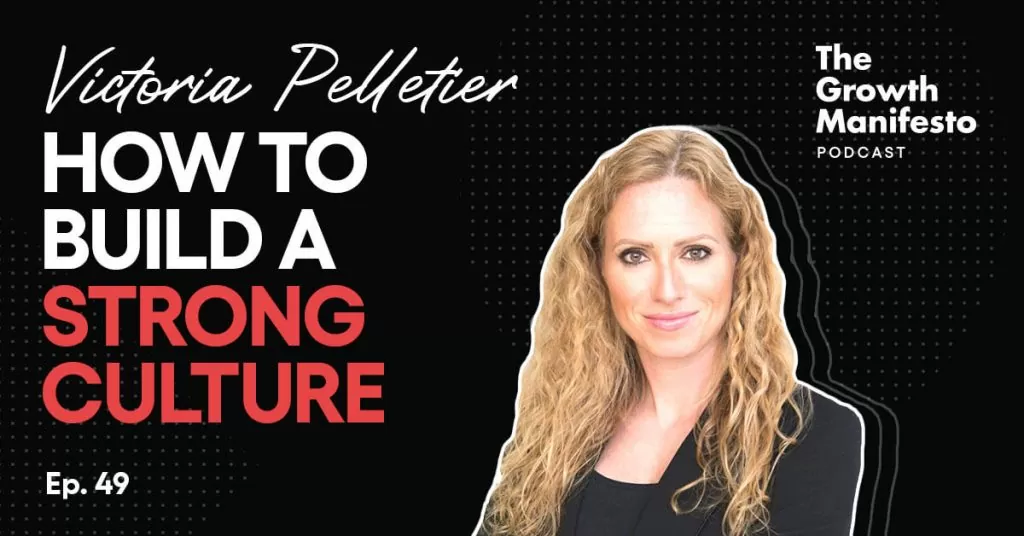
How to build a strong culture in your organisation
Victoria Pelletier explains why culture is an outcome, not a goal, and how leaders should manage remote teams by deliverables, not hours.
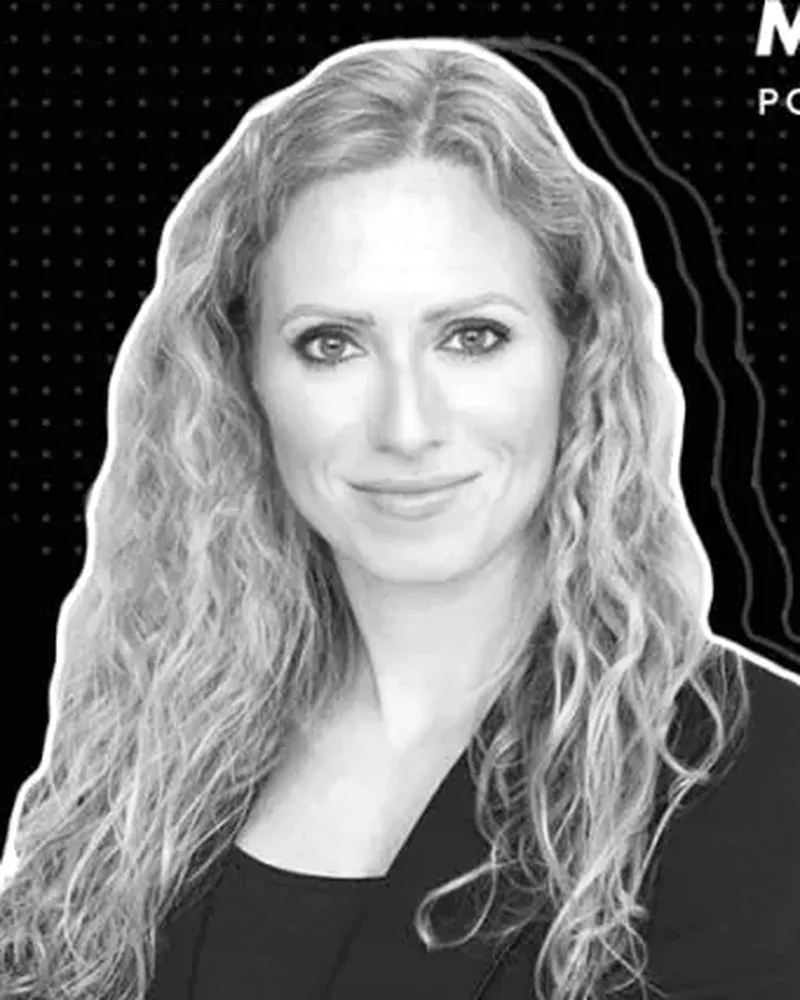 with Victoria Pelletier


Overview
This episode is with Victoria Pelletier, keynote speaker, IBM’s Vice President of Talent and Transformation for North America, and co-author of the book “Unstoppable: Stories of Change Makers Who Dare To Make A Difference”. In this episode we talk about building a strong company culture, the future of work, and how to lead effectively in a hybrid work environment.
Key takeaways
- Culture is not something you build directly, it is the outcome of practices, policies and how leaders behave every day.
- The shelf life of a functional skill is now under three years, forcing companies to constantly reskill their workforce rather than just hire for today.
- Managing remote teams works best around deliverables and outcomes rather than hours worked, because there are no schedules any more, only results.
- Virtual social events work best under 20 people, ideally five to ten, so everyone can stay visible on one screen and actually connect.
- Companies are building strategic talent hubs away from a single head office to reach the diverse and specialised skills, like Salesforce expertise, they need.
Chapters
About the guest
Transcript
Auto-generated from the episode audio, so expect the odd mis-heard word. Timestamps open the video at that point.
It's interesting. I'm already having conversations with a number of clients who are looking at their workforce and their talent acquisition strategy very differently. They have a head office somewhere and they're creating strategic talent hubs and other locations in particular to address their needs around diversity. So recognizing they can go, you know, so, you know, Midwestern U.S. isn't necessarily in all cities or locations going to have the most diverse talent, nor are you going to attract people who want to work in some of those locations, right?
So they're getting much more comfortable with creating either a single or multitude of other hubs or creating much more flexible work. Again, tying back to skill. Here's the thing, the hot skills in the market, you think of things around some of the particular tech, like technical skills for some of the digital transformation, salesforce skills is more and companies look at sales and CRM and how to leverage that for their, those are hot. So if you want that top talent, you're going to take the talent where they live and be
comfortable with integrating them into the environment and being intentional around how do you get them inclusion, like building a sense of inclusion for them in culture and when they're maybe in California, but your head office is in Columbus, Ohio. You're listening to the Growth Manifesto podcast, a Zoom video series focusing on what it takes to drive growth in today's competitive business environment. Brought to you by Web Profits, a digital growth consultancy that helps companies solve their biggest digital growth challenges. We put a lot of time and effort in putting this
content together and would really appreciate it if you could share it. And I know there's a ton of podcasts out there. So thank you for taking the time to listen to this one today. Now, let's get into it. Today we're talking with Victoria Pelletier. She's a keynote speaker. She's IBM's Vice President of Talent and Transformation for North America. And she's the co-author of the book, Unstoppable Stories of Changemakers Who Dare to Make a Difference. Today we'll be talking about how to build a strong culture in your organization, plus the future of work.
And just quickly before we get started, make sure to go ahead and hit that subscribe button so you get the latest episodes as soon as they're released. Now, let's get into it. Welcome, Victoria. Thank you so much for having me. I'm excited to be here. Yeah, I'm excited too. This is going to be a great discussion. Let's just start quickly. Your title is very long, and I was looking around trying to understand exactly what you did. So, maybe we can start with that. Yes, how do you help organizations at the moment? For sure, you're right. I get hit up on LinkedIn as everyone thinking I'm an internal IBM HR
practitioner and I'm not. You're right. I lead the business unit that supports our clients with everything to do with their workforce from a culture, strategy standpoint, obviously technology being IBM, as well as services or outsourcing. Okay, cool. And so what are some of the trends that you're seeing today in the workforce? Some of the changes that companies are having to deal with and having to face? There are many. What I would have said 15 months ago versus where we're
sitting today, some remain the same, but completely exacerbated and other ones are net new. So what I'm seeing is what we're calling the future of work, which is really this focus, was previously much more a focus on skills and looking at skills required for future as companies were modernizing or going through a digital transformation, that has dramatically accelerated. Companies who either had to react to the downturn for them from a revenue perspective, needing to modernize, reduce costs, all of these things have caused them to look much
more quickly at the skills they require to make those changes and also to look at outsourcing and then what remains in those skills, number one. Number two is the way and by whom and where the work gets done. So there was a mix, particularly technology companies who even at IBM, we went from having a lot of people working remotely to back in the office for innovation and creativity to recognizing that when we physically return to a workplace, it's going to be very different.
Creating innovation hubs and maybe rotating people back in would be another one. And then the last is this expectation of employees to work for companies that are aligned to their values. So whether that be around diversity, equity, inclusion, those related to just broadly social unrest that sitting in North America, a lot of the political unrest that's going as well. Yeah, sure. And so, I mean, there's so many places to unpack this now, yeah? But let's start with culture, right?
Because culture is the thing that will hopefully remain throughout the change, right? And so how do you define culture for you? A lot of people talk about building companies and leaders, talk about building a culture. Yet my opinion is that it's an outcome, right? So we can have an aspirational vision of the type of environment we want to work in. But that's the outcome of practices, programs of leaders, you know, leading from the front
around the type of environment they want to work in. So therefore, to achieve that means we need to be incredibly intentional around all of those things I said. What are the practices we're putting in place? The policies, what are the expectations of leaders? Are we measuring them on the multi-dimensions, not just by the financial sales numbers or the bottom line profitability, but on the other key elements that drive the outcomes of behaviors, engagement, and belonging that we want to see. And so those are kind of the performance reviews and those types of things.
Is that right? Yeah. I mean, it's a plethora of things. So what are some of those things? Because I'm really interested in just to know those, some strategies that people can take away. I'm like, okay, cool. So here are the things I should be focusing on to ensure that the actions I'm taking now are going to create the culture that I would like in the future. Ultimately, there's a couple of measures that will tell you whether you're being successful. What is called the satisfaction scores, or many companies
call it the engagement scores of their employees. Ultimately, would you as an employee recommend your place of employee to a friend or a family member? The other would be around retention rates. Are people choosing to stay at your organization? So those are measurements to determine whether you're being successful or not, but there's drivers related to those. So when you start to dive deep into these, let's say, pulse surveys or annual, and I believe you need to do more than
one. Most companies do an annual engagement survey, but the reality is, are you doing that when bonuses were just paid or not? Right. So you need to be looking at doing it. I'm sure companies would be massaging that timeframe, right? Look at our scores. They're so high. Yeah. Sorry. Go. Right. So, so then you need to start, it's not just a matter of scoring or rating it based upon our employees staying for how long are they staying and would they recommend to friends and family. You need to start to ask questions around why they would or they would not. And that's where you dive deep into it. So do you feel a sense of belonging?
Can you be your authentic self within that organization? And that's where we get at the heart of things like diversity, equity, and inclusion, right? Can you bring your whole self with whatever that means, right? And intersectionality related to it. So that would be one element of it. Do you feel that there is a long-term career path? Is your company investing in you? So I talked about this currency of skills, but is your company developing those skills at the same rate in which the shelf life of skills is diminishing? Those are some of the
things as leaders and organizations we need to be asking. Fantastic. And there's so many things I'm going to be jumping between right now because this is all about, you know, talking to people or to leaders of organizations, right, that are trying to find the edge, that are trying to stay ahead, that are trying to maintain their team and the culture that has been created because of all of the work that they've done. But you spoke about the changing skill requirements, right? How skills,
they need to be refreshed right now how often are you seeing that skills have to be upgraded or change completely so on the more i'll say technical skills and i don't mean in the sense of ibm technical skills i mean functional expertise to get your job done what we're seeing is the the shelf life of skills under three years now so every two and a half years and and quite frankly reducing, you know, quickly. I mean, but what we're also seeing is this shift, right? So the
functional skills that are requiring, we spent a lot of time talking about how do you optimize the workforce? And it's this balance between the skills that are required for today. Do you build, do you buy, do you mobilize and move people around the organization? Do you look at gig economy, right? So there's this multitude of skills to get the job done. And there's also, you know, the automation component of it. But as things get automated, you digitally transform. It's not just the skills that remain, the functional technical skills that remain, but therefore there's a shift
in the soft skills, right? The ability to be much more agile and adapt to change as leaders, you know, being comfortable with recognizing the way that people are going to learn differently and their aptitude to learn new skills, number one. And as I mentioned, the fact that we're all we're all working from our homes right now and there will be a hybrid model absolutely going forward. How do you lead in that type of environment, keeping people engaged and feeling like they're a part of it when we're just staring inside these little square boxes?
I know. Oh, goodness. So many places to take this conversation right now. But so you talk about soft skills. Yeah. And you talk about people kind of having to to kind of adapt frequently. So when a company is looking to recruit, to create these teams, because I think that's the place where I think the leaders can have the biggest impact in their teams is at the recruitment stage. What kind of things are you looking for to ensure that the people
who you hire will stay with you through the changes that are going to happen? I think there's a number of things. So first of all, there's a large amount of effort companies need to do to make sure that they're branding themselves from a candidate perspective, not just their consumer in the marketplace. So are you representing yourself to those you're looking to attract in a way that gets them committed to the purpose and the vision.
Is there alignment with the outcomes that as a business we have for the constituents you're serving, whether it be in my world, the business to business, so to the clients I serve, or ultimately to their employees or their customers. So that's very important to make sure right up front, there's alignment around the type of work with purpose and belief, and therefore passion in how people are going to show up every day. And so there's that alignment. But is there anything else in the process to kind of ensure that you're getting enough candidates coming through to be able to have the right selection of people? And then is there anything in the process of recruiting to ensure that you're giving everybody the right opportunity to stand out?
Because sometimes, for some jobs, there's like a thousand applications, right? And so if you're getting that many applications, how do you ensure that you've got the right processes in place to kind of find or to identify the best people for your team? Well, so I think the team that does the talent acquisition or the recruiting, I mean, it's a difficult job. So to your point, Alex, it's around looking at where are you sourcing candidates?
You can post and pray, and maybe you're going to get a thousand applicants, right? But to find people who have the requisite skills, both hard and soft skills that are aligned to your company's vision and mission, and are going to stay because they feel like it's the right fit or culture for them, means you need to look to do things very differently. I mentioned branding, first of all. So you're even attracting the right people who want to come and work for that organization. Then there's this whole sourcing science behind looking.
And so this is where, you know, from a data and analytics perspective, one of the hottest things in the market is employee data and analytics right now. Why do people come? Why do people stay? What makes them successful within the organization? And when you evaluate that, you then need to build a strategy, this sourcing science strategy over how do you go and find people like that? number one. That said, when we talk about diversity, equity, and inclusion, we also can't be sourcing from the same places. We always got the same talent. Yes, you're top performers. You
want to understand what brought them there, what keeps them there, what makes them successful. But we know that diverse cultures and organizations are more successful than their competitors without, right? Think about the increase in creativity and innovation and problem solving. and therefore that a culture that's also inclusive makes people feel um again like a sense of belonging their productivity increases and therefore we know both top and bottom line results improve so with the data and analytics uh for employees that seems to me and i could be
wrong so let me just ask the question if i'm wrong just let me know it's totally fine um but that it will look kind of like at the historic data right but if you're trying to maybe change the makeup across your organization and you only look at the data, then it's like a self-fulfilling prophecy, right? So how do you leverage that data, but also be open to maybe the data is not 100% correct? So what's the balance between the data and not the intuition, but like the vision?
Yeah, no, no, you're absolutely right. Because looking backwards is not necessarily going to be the predictor for future success and performance. So it is a combination of those things. You know, we recommend this optimization of your workforce that does look at historical data, again, what attracted people, retains people, and who are successful. You do want to understand those things, and you hope you can find more of those going forward. But here's where this connectedness, the role of not only the recruiters and the hiring managers,
are, but the HR business partners, I say now they are your strategic advisor or your consultant, because the reality is they need to be connected to the business strategy. We know in businesses, we build a one, a three, a five-year plan. And so saying, Hey, I want to build a new product or service, or I need to modernize or do some kind of a transformation in our business. That's going to require something different. So then it's a balance. And this goes back to the currency of skills and recognizing the skills you have soft and hard that you know
have been working successfully where are we going and therefore what are the skills we need to look at again am i so then it becomes the strategy over where you not just source talent because the reality is you're going to look at buying some talent maybe you're going to do some contingent workforce you're just going to buy them temporarily you're going to be think of the gig economy you might actually want to move people around the organization. They have a propensity to learn and they've got institutional knowledge. So then you move them around the organization. Are you automating, creating bots that do some of the work? So it's a very difficult balance of all
of these elements, looking historically at the data that's worked well for you, but also connecting it to the strategy and skills for future. And where do you need to go and get that talent? Yeah, it sounds complex. And it sounds like the more employees that you have, the more complex it gets, significantly more complex. And so should you recruit internally or have some subcontractors or the gig economy and so on? Like, you know, where's or what's the trends which you're seeing is happening across the marketplace at the moment?
Like, you know, so where are companies tending to focus their efforts? Are they looking to just kind of hire internally because they know that those staff are going to know the organization are going to last? Or are they kind of, you know, spreading it out across kind of all of the ways that people can actually recruit? I think I see it vary by industry, quite frankly. So by industry and by functional role type. So for example, in financial services, what I see in that environment or that industry is there's a propensity to maintain a majority of those resources internally, they are employees of the company, versus just augmenting with contingent workforce,
or temporary workforce, except for specific projects, with exceptions of kind of key functional areas like technology, right? Like finance and accounting activities on the back end, the more transactional activities. But then what I see is in industrial or manufacturing, there's a massive reliance on temporary or contingent labor. So it really, it varies. But as I'm having conversations with C-suite executives, I'm encouraging them to, again, look at things a little differently.
I mean, some environments, manufacturers, you need people sitting on the manufacturing floor, producing widgets, et cetera. But all of the things around that need to change, the functional areas, supporting areas that support that. But, you know, talking to some companies around, you know, if we need to invest in skills for the future, then why would you invest in a contingent workforce, right? Why would you not bring them in the core group that you need and build the right kind of employee experience where you're investing in their long-term career growth, especially when you start to think about the multi-generations, right?
I don't want to give away my age, but I do have a Gen Z-er. And so the Generation Z are actually much more risk adverse than other generations because they saw my generation, the Gen X-ers, go through the recession, right? So their expectation is for greater security. We know job security doesn't exist, but in their minds, job security means investment in future, the building, the skills, et cetera, right? So again, this is this dynamic mix by industry and how you look at things based upon, again, connected to business strategy and where you see it going over the next couple years.
I like the idea of like the core skills, the core capabilities that you just have to have internally. And then there's maybe the contingent workforce that can support, that can support on the outside of that. Just on onboarding. Cool. So now that you've started, so you've gone through the massive process that everybody has to go through. so now you're starting the onboarding process. What are some of the key things to get right in onboarding, especially since the whole 2020 challenges that, you know, we're all on Zoom.
It's not as personal, you know, like as kind of having somebody come into the office. I'm not sure that everybody can go into offices everywhere yet. Like I think there's some kind of hybrid model happening at the moment, But how can companies ensure that they onboard their team members, I guess, as effectively as possible? Yeah, I've seen a big shift because there was a heavy reliance on a new hire class. Many companies would start a bunch of new hires all on the same day so they could go through and they weren't ready to be able to do that online.
We need to remember as much as I talk about, you know, employer branding and attracting people, the onboarding experience is first impression once you're in, right, and just kind of set people up. So it is really important for to do onboarding well. So, you know, that means, you know, creation of online programs with access to information. It's about creating a buddy system. And we can't rely on the coffee or water cooler station to be able to say, hey, so-and-so just started, let me introduce you, and then they can get connected.
It needs to be much more structured, much more intentional, and a significant more investment in the introductory meetings and one-on-ones for these people to be successful. yeah like I found um because like since the pandemic like I went to the office in Sydney for the first time last week in four months and just seeing people in person I was like there was so much small talk there was so many things I could hear there were so many things I
could feel which I just kind of just missed and I didn't even know that I had missed it until I was there because you think I was zoom you know it's very effective it's very efficient it's very like start stop but you miss a lot of things right and it's really easy for I think employers and for leaders um just to forget what that does for somebody who just starts they get to feel the company right like there's like a certain kind of energy there's a certain kind of conversation happening and when that's gone how do you replace that you know like because yeah
like but you've got the buddy systems and you've got these things but like is it just is it just a shift? Is it just a shift in how we work? Is that just what it is? Like, it's like that the in-office style just is changed now to like, like an online hybrid version, but it's not, it's not the same as it was before. Yeah. What I think is I think this is here to stay. The hybrid model, I should say is here to stay. I think if you, if you'd asked a few months
into the pandemic, most people said, no, I'm ready. I want to return to the office. But I think the reality is, you know, as locate physical workspaces are starting to reopen. And I was talking to a colleague, they're like, I did not miss the 45 minute commute into the office. Right? Like, so there's, there's going to be a hybrid. We are, you know, social beings, we want to be close. So I think there's going to be more and more of the this creation of a smaller footprint for real estate, but these kind of innovation hubs or, you know, where people
can come and be together and be creative. But the reality is we're still going to be doing a lot of our work remotely. So there needs to be this shift. Again, I go, I use the word intentionality a lot because, you know, a lot of times in crisis or in, you know, times of challenge, there's this sort of hubris nature to many leaders and making decisions, but we actually need to be really intentional around how we choose to engage. So for me, I used to not be because I spent so much
time traveling and on the road and on conference calls, rarely did I go on camera, unless it was with a client, but for internal stuff, never. In fact, I liked IBM in our first couple of months of work from home. One of our work from home pledge items was to respect that people are not camera ready, which I loved. But now 14 months into it or 13 months or whatever, it's been here for us. You know, I recognize that for me to feel a sense of connectedness, I need to be on camera,
you know, to look in the wipes of the eyes, whether it be through Zoom or not, with one another to try and build a connection that way by doing virtual happy hours. We've had colleagues come, colleagues leave, you know, and a great way to celebrate when we can't go out to the pub and, you know, and have a drink together. Have you, because we've done the same thing, have you found that there's a size that becomes too big for virtual happy hours to be, I guess, intimate enough so that you actually can connect? You know what I mean? Because like,
there's one time we did it with like 50 people and it was like a bit of chaos, right? Yes. What's your opinion of size of you know these kinds of groups i i think what i've seen personally so it's generally less than 20 you know we had a colleague who decided to retire now she's fairly young she's still in her 40s but follow her passion which is all about wine she's been at ibm for 16 years and and she left and there was 200 and something 20 220 people i think invited and people popping
in and out and it was huge at one point it was amazing for her by the way but to be able to engage and get a word in and really you know feel you know connected you know it was fairly large i so when i do it with you know my team it's i try and do it in smaller groups five or ten at a time or or definitely less than 20 because at least anyone has at least if you choose to go in in complete screen mode where you see everyone's face you can get everyone on one screen having to scroll through yeah i think that's a good rule yeah so just keep everybody on one screen i find that um nine so it's like the brady bunch you know so that you can look around and stuff like that um
that's that that is definitely showing my age um i'm sure people know who that is still um but yeah like i think um it's interesting because the shift that happened in 2020 like i think lots of organizations are still trying to catch up so still trying to figure out like are we going to go back to the old way of working is that kind of here to stay like is it changing i think it's changing. I do think the hybrid model is certainly here to stay. But just trying to navigate that is challenging. Let's jump to the leaders of organization. How has leadership changed
since 2020? Because I think it has changed, but I'd be interested to know what are the things that have stayed consistent? These are the important skills of a leader. and so what are things have changed in terms of well now leaders have to do this it's a bit different i'd say that more than ever there's an expectation for leaders to be transparent you know in building trust and to be highly empathetic not not that we didn't not that
those weren't characteristics or traits of a good leader before but i think it's become so heightened in this new environment, you know, because of, again, because we can't be side by side, we can't go out and break bread with one another and do those sorts of activities. But quite frankly, around the world, given the, and I'll just say, sitting in the, you know, in the US, the social and political unrest, you know, it, we're seeking more and more trust and transparency in our leaders and empathy for the lived experience everyone's having in this
environment. and so how does that play out like is that you know just like leaders you know just kind of um like checking in you know just seeing how people are going you know just being open to you know they might have issues at home and so you know just how they're kind of engaging with people like how do you do it effectively through zoom you know like how can it be done through zoom effectively or through technology you know because sometimes you can't go in person and to speak to them in person? So I think it's an increased amount of communication
that has to happen. And I've seen that done in a variety of things. Actually, there was a CEO of one very large health company who decided that he was going to do a podcast every week. So colleagues could hear from his voice, literally, out around what was happening. That wasn't something he was doing before. Other leaders having the ask me anything sessions. We're using technology. So Zoom, WebEx, Teams, whatever you're using in a combination of the collaboration.
So we use Slack at IBM, whether it's Slack or Teams or other to communicate and have those. Ask me anything. Talk to me. Those are some things. Even at a one-on-one level for me, I've always been committed to having a regular, usually it's a biweekly touchpoint with my direct reports and monthly with indirect reports. I've remained steadfastly committed to that, even though it was exceptionally busy and I was working a tremendous number of hours. because that's important for people to understand that I care.
And I started all of my meetings. Like, let's just, I used to be the type who was all business all the time. And like, let's get into the agenda. But right now, again, empathy. Like, let me understand. How are you doing? How are your family? How are you feeling? You know, particularly when I think of, again, social unrest. What, you know, my Black or Brown colleagues, or now, you know, a lot of Asian Americans are like, let's have some conversation around how you're feeling. Those are things, and that's the use of technology. I'd love to be able to do that and be able to, for those who are comfortable with hugging, I'm a big hugger, you know, or touching, like I miss, I miss that.
Yeah, me too. I couldn't wrap my, I can't wrap my arms around anyone now, but I can invest time to have a real conversation. That's interesting. And like you said that it's the bi-weekly meetings for the direct reports and the monthly meetings for the indirect reports, that sounds like a lot of meetings. And so like, is there like an approach to how you approach those meetings? Like, are they like half an hour each? Are they like 15 minute each? Are they quick? Like, are they long? Cause it's all going to be scheduled now because it's on zoom.
Everyone has to click the links and stuff like that. So how do you approach it? You know, it's, it's always been 30 minutes and it transparently it's, it's a lot. I also meet with a number of other leaders in our business. So it's a lot of meetings. It's not ideal. whereas previously I would have a team meeting and for those who were in the same location, we would get together. There was opportunity to do fewer meetings with more people. But to again, be able to engage a little bit more, it's a choice I've personally made.
I might actually, and I mentor some people and as well within an organization, I'm having to shorten some of those because there are only so many hours in the day if you wanna, you know, I don't believe in work-life balance. For me, it's all life and it's all integration, but I still want to have some me time as well. So yeah, I might be compressing some of those, but generally it's half an hour. Okay. That's fantastic. And I like that statement there about it's all life. It's all life because that's what I believe too. It's like I find it really hard to start, stop things.
So it's all just kind of integrated now, which I love. I want to just touch quickly on how you manage performance remotely. Yeah. in your team, right? Because before you could see what people do and you could, it was just kind of easier to get a sense of the team, the organization or the department. Now it's harder. How do you approach that challenge? I have had this motto or saying for years and years
and that there are no schedules, there are just deliverables. And it's interesting. I was speaking to a leader of a large technology functional area for one company, and they were used to having everyone bums in seats. And he said, well, how am I going to measure people's productivity and performance now? And I asked him, how were you doing it before? So for me, it's about outcomes or deliverables.
And in some types of roles, it's a lot easier. If you're in a call center, you take so many calls and you speak for so many minutes with X number of satisfaction percentage from the customers that you're speaking with. Again, if you're in manufacturing, you're producing X number off the line, right? But for other things, again, it's the outcomes that you expect, you know, in whether in a consulting environment, are you selling work to new clients? And that means you're delivering exceptionally for other ones.
So their satisfaction scores. For leaders in my business, it's about the engagement scores of their teams directly. We have, you know, like more ad hoc type opportunities to give people feedback. What is that? How does that come in? So it needs to be very multidimensional, both with really concrete metrics where they can be measured. But the other things that you're looking, going back to culture, what are the things that, what are the outcome? What are driving those things? And can they be measured?
In which case, then you need to be incredibly transparent with everyone in the organization over what success looks like. So you need to be really clear in terms of the deliverables. And so that means sometimes, which I think a lot of leaders are not, they just know that that's the job and just go to the job and then I'll have a look at the work and then I'll give you feedback and then you can change the work. And then that process plays out across the team, across the department and so on. So now it's being like a lot more intentional with, okay, so for you, the specific outcomes
and deliverables that have to be done. And then keeping that on track. Now, there's a conversation happening out there, right? Where it's like, well, how do I know, you know, what my team are doing at home? As soon as the Zoom is turned off, you know, are they, you know, just heading out to the couch and just watching some Netflix and then they come back on to Zoom? Like, how do you know how, like if the deliverables are enough? Well, what do you say to leaders that have this question, right?
of like, well, I don't know what they're doing as soon as the Zoom camera's off. I would ask, actually, do you need to know? Do you need to manage every 15-minute increment of their calendar? So back to my saying, there are no schedules. They're just deliverables. I don't care when people have said, hey, when we're all in person and you're, I need to take my kid to a emergency from Canada. So I'll say hockey game. You know, hockey game versus soccer, right? Like, so great. Go and do that. I mean, as long as the work gets done. Now, there's exceptions. to that. Again, if you work in a call center, you need to be staffed from X hour to X to Y hour,
whatever. But again, be really clear on what success looks like. And then don't micromanage. Going back to the expectation of employees now is to have much more flexibility in their work. We're at home 24-7. So why can't I do it at 10 o'clock at night and get off early to enjoy, I don't know, watching a cat video or something on Netflix. Right? Love cat videos. But yeah, because like, I think it is that shift.
It's that shift that is much, much, much harder for leaders and managers than it is for the team. Because the team, I can just adapt to it. It's great. It's actually so much better to have that flexibility to go to the bank in the middle of the day. Because before you had to go like a lunchtime, there was a big line and all that type of stuff. like if you go to the bank anyway anymore. But, you know, that's just an exact post office, right, just to pick up, you know, but that's Amazon now too. Do people actually even need to leave home anymore? I don't know. I don't even know if people have to leave home anymore.
Anyway, so the world is changing, yeah, and you talk about the hybrid model, you know. So what is an ideal hybrid model which you're seeing playing out in 2021? You know, like what does today look like? And then we can talk about, of course, what does then tomorrow look like? But let's start with today. So today, a majority in the Americas of employees are still working from home. Again, unless they're essential workers or they're in manufacturing or distribution.
Obviously, that's different. Even if I look at IBM, our colleagues in Asia, many of them have returned to a physical workplace. But what I'm seeing is as vaccines are increasing and we're starting to look at reopening, companies are looking at what the right hybrid model is. And so for some, for now, it's still a rolling or a rotation. So being really mindful of variants and things and how. So we're still being very reactive to the environment.
others are looking at creating a brand new normal which is but connected to what employees want and what they a balance what employees say they want there's many who are saying now they do not want to return certainly not on a permanent basis to the office so I would tell companies don't go and build these huge new innovation hubs or different real estate footprints without understanding employees and the dynamics there. But what I'm seeing is there's still this need going back to
everything we talked about, the social animals that we are wanting to have some physical touch, et cetera. There's going to be some hybrid model where you're going to get employees that are within a certain radius of the physical office. And there's going to be an expectation for big announcements or key events. We come together and otherwise team meetings or for collaboration and innovation sessions, we're going to get together and do that face-to-face. I sort of see my, if I were, you know, sort of a betting woman, I would say that at least three days a week of five, five working days are likely going to still be at home. And one or two of those are going to be in,
in a physical location somewhere, whether it be a client office or, or your own employer's office. And do you think that the thing that's hit to stay like in 2022 to 2025, like, is this kind of how it's going to be? Are we going to go to more remote again? How are you seeing it with all of the recruitment pools now being completely expanded now? Because now everybody can jump on Zoom. I can hire somebody across the country and it's like they're in the apartment next door or
the house next door, right? So how do you see that playing out? Yeah. So I've seen, it's interesting. you need heard some companies, particularly some of the tech companies saying a Facebook or others saying like, we don't expect returning anyone for like a year more ever. I'm not sure about the reality of that. The fact is getting people together, you know, the ability to again, collaborate and innovate is critically important. Number one, two though, is it's interesting. I'm already having conversations with a number of clients who are looking at their workforce and
their talent acquisition strategy very differently. They have a head office somewhere and they're creating strategic talent hubs and other locations in particular to address their needs around diversity. Right. So recognizing they can go, you know, so, you know, Midwestern U.S. isn't necessarily in all cities or locations going to have the most diverse talent, nor are you going to attract people who want to work in some of those locations. Right. So they're getting much more comfortable with creating either a single or multitude of other hubs or creating much more
flexible work. Again, tying back to skill. Here's the thing, the hot skills in the market, you think of things around some of the particular tech, like technical skills for some of the digital transformation, Salesforce skills is more and more companies look at sales and CRM and, and how to leverage that for their, those are hot, you know? So if you want that top talent, you're, you're, you're going to take the talent where they live and be comfortable with integrating them into the environment and being intentional around how do you get them, you know, inclusion, like building
a sense of inclusion for them in culture. And when, when they're, you know, maybe in California, but your head office is in, in Columbus, Ohio. Yeah. And it seems that, that this might be the, the unintentional way that the workforce will change is that, you know, we want everybody to be in the same area, but then all of a sudden the recruitment process takes us outside of that area and the talent pool is far bigger. And then all of a sudden, so we're now having to adapt.
And now all of a sudden that's becoming the norm, the status quo, is that it's all completely remote, but there is this kind of hybrid model where you come together, maybe like once a quarter you fly in if they're at the point where we can fly safely again. But then we come in and that's how the companies operate. And I think, you know, it's really interesting to think about like how 2020 has changed everything. And there are some things that have stayed the same, but so many things have changed. And I think so many leaders and companies are trying to find their way through
this new world or this, the new normal, they call it. Yeah. Yeah. Victoria thank you so much for talking through um how to build a strong culture and the future of work like in this challenging world that we live in today if there is one thing they ask the listeners of this podcast um a place to go uh something to subscribe to a book to purchase uh what would you like them to do find me on my personal website which is
victoria-peltier.com. It's a French, French, thank my French Canadian husband for that one. So subscribe, I post regularly, you can purchase my book through there and happy to connect. And the links in the show notes, because last name is spelt like a French last name. So P-E-L-L-E-T-I-E-R. Correct. Yes. Just for the people that are listening on the audio version. Thank you so much for coming on the podcast.
It's been such a fantastic conversation, Victoria. Thanks for having me, Alex. Thanks for listening to the Growth Manifesto podcast. If you enjoyed the episode, please give us a five-star rating on iTunes. For more episodes, please visit growthmanifesto.com forward slash podcast. And if you need help driving growth for your company, please get in touch with us at webprofits.io.