EntrepreneurshipLeadership and cultureSaaS and tech
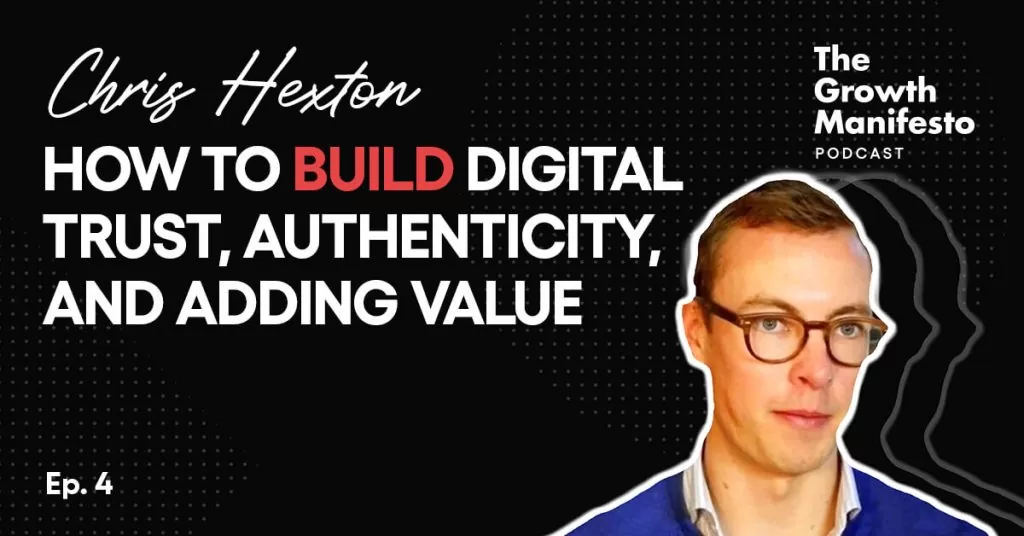
Vero’s Founder Chris Hexton On Customer Experience, Getting Funded & Developing Software
Vero co-founder Chris Hexton on bootstrapping for 5 years, raising capital from Square Peg, and fixing a fragmented customer experience.
 with Chris Hexton


Overview
In this episode, we interview Chris Hexton, CEO and co-founder of Vero, a Customer Messaging Platform for SaaS companies and ecommerce stores. After bootstrapping Vero for 5 years, they raised $4m from Square Peg Capital in 2017 to accelerate their growth. We talk about the importance of a strong customer experience, how to develop a good software product, why you need mentors, and how to scale a software business after it gets funded.
SHOW NOTES
Key takeaways
- Bootstrapping meant customers were the only funding source, which forced a deep respect for customer experience from the earliest days.
- When 99% of customer development calls end in a knockback, the idea being tested is probably not solving a big enough problem.
- A good mentor is someone who is honest, brings expertise from a different field, and genuinely wants to mentor you.
- Bad customer service costs US companies more than $62 billion a year, driven by bots, lost emails and automated phone systems.
- Raising money about a year later than he wanted meant Vero tackled engineering scaling problems and marketing growth at the same time.
Chapters
About the guest
Transcript
Auto-generated from the episode audio, so expect the odd mis-heard word. Timestamps open the video at that point.
You're listening to the Growth Manifesto podcast, brought to you by Web Profits, where we share inspiring stories of real people who've succeeded in the marketing and business world. Today, we interview Chris Hexton, CEO and co-founder of Vero, a customer messaging platform for SaaS companies and e-commerce stores. After bootstrapping Vero for five years, they raised $4 million from Square Peg Capital in 2017 to accelerate their growth. We talk about the importance of a strong customer experience, how to develop a good software product, why you need mentors, and how to scale a software business after it gets funded.
So let's get into it. Today, we're going to have a chat about creating a better digital customer experience. I'm really excited. We've got Alex Kalinthas here, the co-founder and director of Web Profits Digital Growth Consultancy, and also Chris Hexton. Now, Chris, I'm really excited to have both of you on board. But Chris, I've only just met you. I've known Alex for way too long and I love him like a brother. We've worked a lot together. So it's quite fun. But Chris, I've only just met you and
you're the co-founder of a company called Vero where you create better customer experiences. And I was really lucky to actually watch you do a talk the other day at a growth marketing morning put on by Web Profits. And I've got to say your message about creating better customer experiences was brilliant and you actually focused on a digital point and we'll talk about that a little bit today because what we want to get out of today is we want to share your story, what you've done, what you've experienced and hopefully if there's a business owner out there or a leader or a manager
of some sort who's in this position that has to grow in this space, that you can offer some help and same with you Alex, you're an absolute genius at what you do, you've inspired so many people from a digital growth space so let's have a chat but Chris, I might get you to introduce yourself, Give me a little bit of yourself and then we'll hand it over to Alex as well. Yeah, for sure. So I'm one of the founders of a company called Vero. We are a messaging suite. So we help online businesses or businesses that have a large online presence message their customers. And historically for us, it was 100% about email.
But these days we also do mobile push and then soon SMS and other channels as well. So covering the full gamut. And for most of our customers, it's where they centralize all their customer data and then all of their messaging as well. So they're enabling their marketing team, product team, as well as their engineering team to work together to have high-quality messages sent to their customers, basically. We've been around for just over six and a half years now, headquartered here in Australia. We've got a team of about 16, 17 people. About half of those are in Australia, and then the other half are fully remote all over the world.
Wow. So, yeah, it's been really fun. Love what I do. Lucky to enjoy what I do, nine days out of ten at least. and certainly have learnt a lot of things along the way. Some of them slower than I would have liked, but it's all good. Yep, nice. So we met like, what, four years ago? Yeah, I think so. Four and a half years ago. I have no idea when that was. So that was in Estonia, yes. So we met in Estonia. I went there for a conference. Crazy, yep. Crazy conference. For three days. For three days. Was it a three-day conference? Yeah, it was a three-day conference. I think so, yeah.
And I spent like a day on either side. but I remember actually I was there and I heard this Australian guy stand up and talk about some pretty cool stuff with email marketing and I was like oh my god another Australian in Estonia it's like I think that must be the second one what are the odds and so we tried it back then but that must mean that like at the time the company was only two years old or two and a half years old is that right? well if that was four years ago then yeah I mean I think it probably was 2015 that conference yeah I mean but yeah we would have been around two and a half years old
Yeah, cool. And so that must mean that you grew pretty fast in that kind of the first two years, right? Yeah. Like if you were there and the stuff which you were already speaking about at the time. Yeah, yeah, yeah. I mean, I think we definitely, yeah, we did really well or we were really lucky in the first few years. We, you know, concentrated really hard on our content marketing. And that's how I got introduced to Pep and his crew who were running the conference. And they were kind enough to invite me to speak at that. Is it Pep from ConversionXL? Yeah, exactly. Yeah.
And, yeah, so I think that content marketing, you know, got us doing a lot of good partnership stuff with people like Pep, and that's how the opportunity came along, despite us being so young. Yeah. But, yeah, we did, you know, we had a really good first few years. You know, we bootstrapped the company for the first five years, so that's, you know, a slightly unusual path and something that I think was a great thing to do, great decision, bred a lot of good values within the company. And so, you know, we couldn't have done that without some good growth early on. Yeah, right. And so that must mean that you started the company and you focus on content marketing.
Is that right? You focus on content marketing and through content marketing, you've got your growth. Yeah. Right. Sorry, Tony, because I'm just jumping in straight into this right now. This is the disclaimer. They're going to say technical stuff about internet and I'll get lost straight away. So I'll be that person that will come and go, what does that mean? Perfect. Perfect. because like you bootstrapped her for five years. Is that what you said? Yeah. And so you're a developer by craft? By craft, yeah. By craft, trade? Yeah, by trade. I mean, I didn't study engineering, but I can write some code.
Just a quick one. How many of the good coders out there actually studied engineering and studied coding? Like in your opinion, because really I, I mean, that's not my strength for sure. Yeah, I mean, I think that, I think that, I think times are changing a bit, you know, probably in all professions in that maybe people look a little less at the exact degree that you've got when hiring for a role. I will say that I know how to write a bit of code, but certainly now that our company is a bit older and wiser, there's an awful lot you do learn when you study engineering
and really appreciate and understand the concept. So actually I would be a proponent to say that the great engineers, they really know their staff, and that comes from both experience, particularly experience scaling things, But then also education. So I would actually, maybe that's a slightly contrarian view, but I think... I think that's the Switzerland view. I think you said it's both. It's both studying and experience. Well, no, I think you wouldn't want to say to someone, you have to have a degree. I think that's not true anymore. But equally, as someone who doesn't have a degree, if you said to me, go and build Google,
thanks for coming. Well, Chris, you've got an interesting path, actually. You start off at PwC back in 2006 and went to 2011. Then you actually founded another company. It was around for a year. It was called Semblance. What was that about? Yeah, I mean, so I used to work at Price Waterhouse and my current business partner, James, and I both, he didn't work at PwC, he worked somewhere else. And I don't know, I think we both wanted to do our own things. I know that. I can't quite remember the complete catalyst for both of us deciding to quit and start our own thing. Was it out of frustration
or was it a desire to do something different? A desire to do something different. I think I just worked out that PwC wasn't where I wanted to spend my full career. It's a great place actually. I only have very positive things to say about it. But having worked that out, I thought, well, you know, if I'm not going to stay here throughout my career, I think now's a good time. You know, I'd been there for essentially two and a half years over a four year period. I'd started there straight out of school. And so the next few years looked, you know, quasi similar to the previous four. So I felt like, well, okay, well, you know, if I'm not going to stick it out the long term,
I'm not going to stick around these next few years. And so it definitely wasn't frustration. It was more wanting to do something. So you're saying you walked into PwC straight after school? Yeah, they do this thing called a cadetship. They hire you when you're 18. And you do study at night time after work. And you work five days a week for the first two and a half years. And then you go back to uni just full time for a year and a half. Wow, it's such a great way of getting into it. That's amazing. Yeah, so that must mean that you did pretty good at school. Yeah, I did all right. If they offered you a cadetship. Yeah, I didn't do that well at school personally.
Only because I stopped caring when I was 16. No, no, I cared a lot. Yeah, no, I can tell. That's really cool. Yeah, so going from there, and then when you actually went with your mate there and you started Semblance, tell me about that. What did you want to do? What was the product you wanted to create? Or what was the vision that you had around that? Well, Semblance came about because we didn't really have a great direction. And so we just said, well, what can we do? I mean, James had studied software engineering, so he's a software engineer. And I could code a bit and wanted to get better.
And so we just said, you know, what can we do? We could build stuff for other people. And so that's what we started doing. And we're really lucky. We met a couple of great mentors who helped connect us as subcontractors with our first work. And then it grew from there just organically. You know, we did those jobs. Someone else said. So tell me about your first contract. So I think anybody who goes into business for the first time, getting the first contract is like, you know, happy days. Like you actually achieve something. You've got an idea. You've got a concept. and now somebody else has believed in it and gone, we're going to fund that. Yeah. Oh, no, in this case it was more. So someone else had the idea. And they were paying us to build the thing.
So you reacted to somebody else's desires. Well, yeah, they just wanted to hire someone to get the job done. We were lucky. We had a mentor who had his own web consultancy. And they were growing really well. And so they needed someone to do some work for them. And so he got us involved. And then that was great because then we had some work, you know, a portfolio at that point we could point to. and that's how we got the next job. And so your first business then was like an agency style thing. So it was hourly rate. Yeah, absolutely. It was a service business and I hesitate to use the word agency
because we only had two of us, so very small scale. Oh, well, there's thousands of agencies out there with two people. Yeah, sure. Or one person out there these days, you know. I don't want to talk it up. That's all I'm saying. Yeah, it was just the two of us. You're a very humble person, Chris. That's what we love about you. You are absolutely humble eyes. So you go in there, you get a few contracts under your belt And then what happens? Because semblance only lasts for a year, and then you go into Vero. Well, yeah. I mean, we applied for Startmate, which is an incubator that is based in Australia, but has now funded some companies from Singapore and other places as well.
But they run it in Sydney and Melbourne. And back when we did, it was just in Sydney. And so basically, they pick X companies. We'll say about eight, nine, ten companies per cohort. And they invest a very small amount of money in them. It was 25 grand back in our day. And to get into that program, you have to pitch a product. So we pitched a product that wasn't Vero. We pitched a product. It was called Invoice Me. And essentially, it was a very lightweight invoicing, comparable to FreshBooks or Xero with 1% of the functionality.
So like Zoho invoice kind of thing. Yeah, more like that. Exactly. And we did that really because I had built that for our agency because I was an accountant who was learning to code and was a logical thing to build as an internal tool. So your background is in accounting? Yeah, I was about to jump on that too. Yeah, yeah, yeah. So you were an accountant at PwC, not a computer programmer. No, I studied accounting. Yeah. And at PwC, I worked in their IT risk division, which means you audit IT systems to try and work out if they're risky or not. Because if they are risky, it's more likely that the financial numbers will be wrong.
Okay, okay. But it wasn't, I never wrote code at PwC. It was still systems audits. Okay, so you're kind of a founder that's like a combination, which I've never heard of before actually. accounting and development. Well, it's good. Yeah, yeah, that's pretty cool. I mean, definitely having an accounting degree has been very helpful. Especially, and we'll come back to actually how that's actually affected you since the funding round. But I think, but just to come back to the reason you started, you were talking about Startmate.
Yeah, yeah, right. It's called Invoice Me. Yeah, so we pitched that and we got in with it. Yeah, thank you, Startmate. they clearly didn't do it for the product I think they they must have believed that James and I would work well together and had proved that we could build something together and build things for other people so yeah so we got into that and that was great it's about a three, four month program basically and there's a huge array of mentors awesome people who are giving their time and resources to help you get started
so very quickly I would say in that program we worked out that Invoice.me was certainly divisive. I think 50% of the mentors thought it was the worst idea in the world. And the other 50%, I think, politely felt that it had a shot at, you know, mostly because... I like how you say politely. I was like, we'll give these kids a crack. Go on. Well, yeah, I mean, I don't know that they... I mean, I think the only logic they could have had is that it is a product that every business needs. So the market is, you know, the TAM's infinite, essentially. But, I mean, it's also highly competitive. Xero was growing like a weed at that time.
Xero is a very mature product that solves some real problems, things like doing your payroll, connecting to your bank accounts. We had none of that. And so I think they were being polite. But it didn't take us long to work out that we just couldn't find customers for it. We couldn't even find people who wanted to do customer development. And really upon self-reflection, I mean, we hadn't designed that to solve a problem. The problem we were solving was me getting better at code, basically. Yeah, yeah, yeah, sure. So that's not a good thing to happen. I think oftentimes people start a business just to start a business,
just to learn a few things out. Definitely us. I guess if you think about actually how innovation works, I was actually having a conversation about this the last few days. It's like you start something, there's a bunch of problems, you fix some problems, there's more problems, you fix more problems and then that's kind of the background of innovation it sounds like that's how you started like hey I think I'll start a business you went into I'll sell my time
and then you went to actually create a product and then actually this product's not very good I think that's actually really that is the exact summary of what happened it was very organic and it was just so we want to start a business what can we do well we've got some skills we can charge for those okay we want to do a product create some product which would be the first problem learn how to do that, do that, not very good, now try and find something that finds a market. I think there are positives and negatives doing it that way. But I do think that, yeah, it's just a ladder of sorts. And at each stage, you have more confidence
that you could excel at the next stage or have a crack at the next stage, having conquered the one before. So how'd you get to Vero? You know, that's the big question, right? Like, how did that come about? Because obviously that was like the one that kind of scored. Yeah, sure, sure, yeah. I think we knew by the time, definitely by the end of Startmate, that we weren't going to keep doing in voice me and we we ended up taking i think we i mean i don't know you'd have to ask uh nikki or some of the mentors there they might have a better memory than me but my memory is that we took some time out like a couple of weeks maybe even a month
james and i i mean and uh like we both traveled a bit and we came back together and the first question was well do we want to keep working together and the answer to that was yep and then the second question was well you know what what are we actually going to do we had some inklings of ideas and we both so we've both written down in that time off i you know ideas or concepts of ideally real problems that we'd seen as an exposure to and then we felt we could build a business around i'm interested what did you guys actually see what were some of the problems that came up oh that's very very much testing my memory i honestly honestly can't remember any other one other than vera i know that we i can remember that you know a lot of the ideas we had
were very dev centric or technologist centric so we wanted to build product that other technologists would buy. And in the end, Vero actually is a product bought predominantly by marketers, but I can come back to that. And so in the end, this product, the very germ of the idea had come out of us being asked to code automated messaging sequences for our prior customers when we were running the agency. And I think, we'd only been asked to do it
a handful of times, but we sort of questioned why we were being asked to do it at all with time on the clock. know why is it not a product here yeah so we did some research and there's obviously mailchimp but and then you know beyond that the tools that really had the automation were responses sales for exact target it was called the time now called salesforce marketing cloud um and good products in their own right but they're you know very big end of town very enterprise heavy sales cycle um yeah heavy uh consulting um to both of those as well helping people actually do the campaigning and so we thought there must be some happy medium and that was that that's
where we started to explore and then through start made obviously we met a lot of mentors who had their own businesses that was helpful yeah and then we'd met a few people trying to do customer development for the first thing that ran digital businesses so we went back to all of them and we asked them if they'd speak to us and the first difference to the first businesses that people were happy to speak to us about this problem yeah and so we had those conversations and they were they were really positive they were saying well yeah i mean you know definitely um automating messages and personalizing messages is something we want to do and it feels important to us as a
digital business uh and if your tool can help us do that and does what it says you can do then we'd pay for it unfortunately some of them did pay for it because i think it's easy to say that but hard for it to happen so like you went out and actually interviewed yeah people about their problems development yeah proper customer development because i think start made it taught us the rigor of go do that yeah how many companies do you think actually you know just go out and do proper customer development, you know? I don't know. I mean, we're... I don't know if we would have or would have as early without Startmate.
Yeah, definitely it taught us that, you know, I suppose time is money in a sense, but it's very easy as an engineer and you can even see that, as I said, the ideas we had were all about selling technology to technologists. It's easy to just say, I want to build something that's cool, it's fun. Yeah. And that's how people get into the trap of not doing customer development. And we still get into the trap of it now, you know? I mean, it's easy. It's easy to get excited about some big idea. Well, it's something... when I look at customer development, I look, the first person that pops into my mind is Richard Branson when he started off with Virgin and that and he was getting customer feedback of what they wanted on an airline,
why it worked, why it didn't work and he actually took, he still does it now. He's got a little notepad and he takes notes of what's working, what's not, got that feedback and that's how basically the organisation is flourished through feedback like that. So did you have a similar experience when you're going around and talking to these people going like, what's not working? How can I solve your problems? or what were the conversations like? Yeah, that's exactly it. I think that's the classic, you know, what are your problems? And, you know, obviously we were asking them with a very specific domain. We were trying to verify this idea of taking a rich stream of customer data,
I can come back to that, and then having an interface that less technical people could design automations and send messages on the other side. Would that be solving a problem and trying to understand the problem? And so, you know, the question is around, well, you know, what are you actually trying to achieve? You know, why is it important to you? you're trying to grow, you're trying to coordinate your messages. And it's honestly very hard to remember back then, so I'll end up using a lot of the lingo I would use today. But I think at the time we wouldn't have had the understanding that I have now. It still would have been very fledgling. It's still winging it, right, even despite the conversation to a great degree.
I'm not winging it, but maybe not appreciating the full extent of what you're asking or what you're going to start building. But that's normal, isn't it? Oh, yeah. You have an inkling of where you're going to go. but how it actually transpires is another thing altogether. I mean, you'd have that as well in your business or you would have had that in the beginning. Which part's that? Which one? Well, you think you know what direction you're going into but stuff creeps up like new problems come in, you change your product a little bit, you change your service a little bit to suit the demands of the market. Yeah. I suppose, yeah.
Yeah, I think, you know, just on that point there, I think when you're selling your time, there's a much higher, what's the word? it's much higher margin of error. If you have to go and build software that's going to take you six months and you build the wrong thing, right? It's just, that's like, that basically six months is dead, right? Yeah, yeah, yeah. But, you know, so I think where I could be way more- There's a faster feedback loop. Like if someone is paying you money,
because they're going to be like, oi, what's that thing? But I guess how open were people to actually answering your questions or what were some of the tricks in actually getting people to actually talk to you? Because I know these people are probably pretty busy. You're trying to figure out like, hey, is this thing something which you want? How did you get them to actually say, yeah, I'll spend five minutes with you on the phone? Yeah. If you remember. Do you remember? Well, yeah, I think two things. I mean, we had been through Startmate and certainly half the people
we spoke to were directly from that network. so they're either other mentors or companies from the prior year. So they obviously wanted to help us straight out of the gate. So that's why that gate is time. Okay, so how about the other half? And then the other half, I think, so there's an extra degree or two of separation there. And I honestly, I think the contrarian answer or the honest answer is there's no trick. And I think that's what we learned between Vero and what we did before with InvoiceMe is that people were actually happy to talk for five minutes. And that's the trick.
It's like if you're actually going to solve a problem, If I actually say to you, hey, I want to talk to you, Tony, about automating your customer messages or personalizing the messaging you're sending your customers. If you don't care, it's going to be much harder to get you on the phone. But if you're sitting there going, that's actually a problem we have in our business. And even if you're not in charge of it, you might go, well, I know that Jess was talking about that last week. It's a real problem for us. Have a chat to her and she'll want to talk to me because she's got the problem. So the answer is if you're getting a lot, if 99% of the time you're getting knocked back,
it's probably not a big enough problem. Yeah, I found, because I'd heard, I think it was a book or I read somewhere, maybe it was a Bill Gates. It could have been like an Instagram quote for all I know at this point, right? But you get the best insight by actually talking to the customers who are most upset, you know, and just actually have those conversations. And for years I was like, you know, scared of calling the customers they're upset because like you don't want to have a like a bad conversation especially like if you're
like um a beginner in business and you're like oh let me just not have the hard conversation let me focus on the happy conversations instead right and you know with time i started actually having some of those harder conversations yeah and the insight was awesome yeah like it was like oh wow okay i can totally say that's a problem yeah and we can now start to solve the common issues and so it feels like it'd be something similar where if you're talking to people's problems yeah they're to be very open sharing yeah like because someone is actually there to listen right and so i think people are generally scared to have maybe harder conversations sometimes but that's where there's
like some gold totally i think that's a really good point and uh as as we've gotten older as a business and done more sales which is something that i've learned a lot about and we had uh one of the guys on our team um yeah has been in sales for years and but one of the things he said is Yeah, I mean, people get themselves into a trap with sales where they're just hoping that customer that might be worth 10K a month is going to come off. So they just keep it there in the pipeline and they just sort of move it around. Like maybe it'll close one day. But the trick is really to ask the questions
to disqualify it as quickly as possible. Like you want the bad news now and what you're saying is the same as that. And then I think it's Bezos or someone who, you get stressed when you know there's a problem you're not doing something about. I think that's what the quote is, but that's what sticks in my mind. Yeah, yeah, yeah. Sure. So if you know there's a problem and you're not doing something about it, you're going to be stressed because your heart knows you need to do something about that. Yep. And not having those hard conversations is a form of not even discovering the problem because you know that you're going to cause yourself stress if you discover the problem
and don't do something about it. But as you're saying, I mean, if you don't do that, then you get absolutely nowhere. And I think that actually gets harder as the company gets bigger. If you've got some momentum, the last thing you want is to find out that either the momentum's in the wrong direction, the momentum's going to have a ceiling or the momentum is about to stop. They're all very scary, equally as scary as if you have nothing. Yeah, I think you're absolutely correct, and I totally agree with that. As long as you've got momentum, it doesn't matter what direction it's in, whether it's forwards, backwards, or whatever, as long as you're moving, because you're learning in every area there.
And the problem that people have this when they come from a fear base where they'll actually go into freeze and they'll do nothing and they'll just get so numb and they won't be able to move forward, backwards, or anything. And the worst thing, and you've mentioned mentors a lot, And I really want to drill down on that later on because I think it's a healthy thing because when you were going through hard patches in your business, how many times did you rely on a mentor to pull you out of a state of mind or an emotional state to get you some momentum? Yeah, well, probably every time. You know, I think that – and that's why it's great to have a co-founder.
You know, when times are tough, you lean on them for that same reason. That's why it's great to have mentors. and these days as a company is a bit bigger, it's great to have a bunch of team members around you who are equally sharing the weight and you can look after each other when things are a bit tough. But yeah, I think that's really, really important. I don't know if that answers, I think there's more to your question. No, no, no, that's pretty easy. I definitely think, I mean, I think, yeah, I mean, obviously mentorship is both emotionally a great thing and then also a way to shortcut your learning, hopefully. So yeah, having mentors who have done what you're doing before
is awesome. Yep. let me ask you a question then on that so what do you define as a mentor? you just have interest because depending on who you speak to there's like kind of what everyone thinks is a mentor which is like I'm going to meet with one person and they're going to just show me the guiding light is that what you call a mentor or how would you define mentors? I don't think mentors I think mentors come in all different types that doesn't quite make sense but
it's not a seniority thing and it's not even necessarily a has done everything you've done before thing I think for me it's someone who will be honest with me so they're going to give me real talk and then it's someone who is perhaps an expert in their field which could be completely disparate to mine but it means they've been thinking about something really in depth so they're going to bring something fresh that I haven't thought of someone who cares about you is important as well. I think a good mentor actually wants to mentor. So that's important as well. So I don't
know, they're probably the three things that seem consistent, but then, you know, mentors, you know, a bunch of our team are mentors to me. You know, a lot of the start mate people who have built bigger businesses, they're mentors. And then all sorts of people you meet along the way. Yeah. Because I know Alex, you've got a web profits as well, where you've got like a mentoring system. It's a pairing system that you have and buddying up. And it's pretty similar to that. How do you actually, how do you pair people up at WebProfits to work on similar projects? And you might want to explain the process that you go through with your guys.
Yeah, so it's a pairing. I think it started off in software development actually and it's kind of like a way to reduce the errors and improve quality. So the two people that sit behind the one computer and there's like an observer and there's like a doer and so that way they can actually, Yeah, well, programming, yeah. And so we did kind of like a similar thing here. Awesome. For tasks, yeah. And so there's always a person that's senior and a person that's a bit more junior or there's people that have complementary skills
across channels and that's how they work, right? And we find that that's the best way to share knowledge because it's on campaigns specifically. Totally. And it's also a good way to, in an informal way, you know just get people collaborating and actually talking to each other because it's very easy especially in the digital world just be on your computer to not even look up you know and to not speak right and so there's that part of it as well you know that we find every task
every task not every task but it's a way for some task yeah so there's a certain amount of hours a week that everybody should be pairing okay um there's a component where people actually have to just get their work done of course there's also some parts where it's a bit harder say for example on strategic development or if i'm doing something for the first time i will probably have someone there that has done it before you know and so there's times to do it you know we found that there was always like a balance because because in the beginning we paid on everything
yeah but then you didn't get all the small things done yeah of course and so then there's also there's kind of trying to find that balance here so yeah it's like a mentorship kind of thing but it's more like a skill sharing thing as well it's a skill sharing thing and it's a way to kind of reduce problems and improve quality yeah and i like that and this is one thing and and um and i think both of you will see this when it comes to mentoring i think what's really it is important that you identify a certain mentor for a certain skill set so you'll have one for whether it's technical or something but also i look at mentors i look i have different mentors one for my
emotional state one for my psychological state and then also from the skill set sort of state so I think you can't just have one that's not going to be one fits all. Of course, yeah. How many times do you have it where you sit down with an idea of where you think you're being brilliant and whatever it is, maybe your motives are not in the right place, your ego's overcome, and you have that one person go, hey, guys, just chill out for a minute. I think you've got your focus way off the radar at the moment. Let's get your back in check. Have you ever had anything like that ever happen to you? I don't know.
I feel like – I like how Alex is just throwing you under the bus now. No, no, no. Well, I was just going to ask a question, right? So with the emotional mentor, that's something which I haven't considered before. So what is that? Is that a person that you talk to? Is that a friend? Is it a partner? Is it a professional? Yeah, 100%. What's that one? Because I know. It could be anybody. Look, it can be normally, it could be a partner at home, which is really good to tap into because they're going to know your emotional reactions, your feelings to certain things.
And sometimes you need to hear every now and then to say, oh, man, I had this thing the other day. And you're deciding how to answer something from an emotional base. And it's not going to be the best one because it might not be the best reaction that you have. So you go in and you check in. So I'll go in and check with my partner and I'll go, hey, look, I've had this. It's really annoyed the living day. And what I really want to do is this, this and this. And I go, hold on a second. All right. And it's great. It's the best thing that can ever happen. And then you check in. And as you said, Chris, you actually said it really well before. you need somebody who you trust and you respect as well especially in an emotional sense now in
saying that as well there's no problem you could ring up a a lifeline or a counseling thing and go i'm thinking this at the moment i'm feeling this at the moment what should i do because nine times out of ten whatever you're thinking or feeling in an angry state is going to be the worst decision you can ever make so it's just checking in and having that so i always go with a loved one or somebody that um i've actually gone through a tough time with whether it's like really close mates and they'll pull you up like that and i go right okay you're acting like a goose again pull your head out and and get back on it or they're going oh okay you're making this from
you've you've fallen like stand-up comedy is a really good example all right you can um you can fall in love with a joke yeah emotionally right you love it because you think it's absolutely funny but it gets no laughs whatsoever yeah zero yeah but you're like a dog with a bone yeah and you need that somebody to say you're emotionally attached to this joke it's going nowhere get rid of it yeah right so and that'll be another comedian so yeah that's the emotional component about it um i know like because this is like a podcast for business right yeah but we're talking
now about emotion and i think it's kind of the thing which i think we should talk about a lot more because i know yeah that like if you're having um challenges emotionally no matter how much you want to think your way out of it yeah it's really really hard right like i've you know just found that ah the hard way when like if something quite hard is going on in life yeah no matter what you think you're like it's such a strong feeling emotionally like and i think in business you know you've got all these things on actually how to handle specific
problems in business but not actually the state yeah or you know and how you handle the bad times Yeah, exactly. Look, I just had one of the last clients I had in today was a leader for a company and they were going through a really highly stressful time. Like this guy was at breaking point. He had tears in his eyes and everything like that. And he was burnt out. But he could actually intellectualize the whole lot. He'd go, I know if I do this, this and this, this process will happen. And it was great. But he was a broken man.
yeah yeah and so i thought okay so one one thing that i asked him to focus on and we get clear on is what his values are right okay so his family his uh values were family loyalty trust all right those things there and because now we're going to link it to an emotional component so what i said to him go okay so let's just gauge each of these how you at the moment out of 10 like where are you with loyalty family um and especially love to yourself and it was like two out of 10 three out 10 so it amounted to it like it was seven out of 30 right that's where he's operating from from an
emotional state so then the question yeah so the question was how do we how do we actually tap into how do we gain some control in a situation where you feel like you've got no control whatsoever and what i'm looking for is how do we make it from a three out of a 10 to a four out of a 10 what's one thing that we can do really slowly that's good yeah and it's a really simple little thing and anybody can do that it's just going instead of because what you're going to try to do is when you're really tired or you're burnt out of there the opposite of that is how do i feel great yeah and that's a silly thing all i want to know is how do you not get down any further
that's that's what i want you know let's let's at least maintain this level because you're still alive and you're still able to function sure but how do we slowly bring you out of that and and it's so from an emotional point of view i think if we tapped into what our values are yeah and we start to honor them then we can bring that up really really quickly like i'm pretty strong on my values i know what mine are i operate from the values of um connection education and humor yeah so everything in my life has those three pillars in it yeah so doing a podcast yeah it's up there and then up there with all three yeah so when i go through a downward spiral
i go okay am i connecting with myself really well um you know what am i learning in this lesson what have i done in the past to learn to get myself out of this and what's the funny shit in this bad, bad situation. And if I can laugh at it, then I'm halfway out. Do you know what I mean? So it's little things like that. So yeah, that's, because what you're dealing with, Chris, is with Vero, is basically you're looking at a better digital customer experience at the end of the day, isn't it? Like how to connect with your customers and all that kind of stuff, which is an emotional component to it.
Yeah, I guess so, yeah. I mean, I think we- Do you like that lead in there, Chris? Very good. Not to the level of seriousness we were just discussing, but yeah, I mean, But yeah, definitely, yeah, I really like everything you're saying there. But I think definitely with customer experience, it's a big part of it is how the customer reacts to what the business is doing, like all their interactions with the business, their interaction with the core product the business is making, their interaction with support, all those things. And I mean, every individual is going to have a different reaction based on lots of things, their emotional state,
what they're experiencing at the time. So, I mean, that's certainly an interesting element in that if you're designing a customer experience or you've got an ideal customer experience you're aiming for, I mean, there's an element that is outside your control. So you've got to roll with that. Yeah. Because you're coming into a new era. You're coming into a new realm. And Alex, you are as well with WebProfits as well, where we're looking at a digital customer experience. So we're talking about bots. We're talking about automated emails. We're talking about all that kind of stuff. Some research that's come out from America just lately, bad customer service or bad customer interactions
in the US cost companies over $62 billion a year. Seems like quite a lot. Yeah, that's huge, right? That's from either people dealing with bots and they don't want to deal with bots. Emails that go astray or just speaking to an automated telephone system and things like that that go pear-shaped. And that's how much they're losing customers. So I suppose one part of what Vero does is try to pick up so it's a better level of service. And I remember you spoke about when I heard you speak the other day, it was a great example. of what happened with the credit card situation
that you went through. And that was, do you mind sharing that again? Yeah, I mean, the example was I closed the credit card, which I did on the phone, which is fine. But, you know, I would have preferred to have done it myself in the app or whatever. Yeah. So that bit was fine. But then it was just the flow-on process was, you know, despite being closed, I started getting mail saying I had $10, which is fine as well. But the problem was I couldn't then log in anymore because the account had been closed on that system, clearly. but it was somewhere i owed ten dollars somewhere yeah i couldn't i couldn't get in so i didn't actually know you know if i what to do so i guess i could just you know my in the end i was like well
if i just pay the old b pay number hopefully it'll work which it did do that was after a couple of months but you know i rang up at some point and then they were confused and that was confusing and it was almost like i didn't exist in two of the three systems that there were so the thing that i don't know was linked to the mail system that was doing one thing and then the help center and the actual online system were doing something else. And I mean, that was really what my talk about was the other day. And I think in terms of my understanding of the problems,
I mean, when we started Vero, we were probably on the cusp or certainly for the first few years, but a lot of it was about enabling businesses to create a digital experience and just get online. And if you think about having a website is the basis of your digital customer experience. If you don't have a website, that's bad. And yeah, there's been, then it's just layers on top of that right it's like oh you've got a website you know what about your digital customer support what about your messaging bots etc etc i actually think what we're really interested in is a company i mean fundamentally we're helping people do
messages so something that every business needs to do if they have an online presence to varying degrees and so it's a real it's just a fundamental business tool i think what uh what has has changed is that you know each company is using so many of these tools and suites to deliver a customer experience that it's actually getting pretty messy and the cost of maintaining all these SaaS products and trying to link them all together is really high and it's really difficult and that's how I end up with a scenario I described where I can imagine if you're a big organisation it's super hard to get all these systems to talk together have all the information in the right
place and so I think the next wave is kind of a paring back or companies investing the right engineering resources in building their internal systems so the customer has a great experience. How do you do that, Chris? If I've got a business, I am vulnerable, right? And I need to get online, I need to make dollars, and then I'm speaking to the next five sales people going, yep, you're absolutely fixing my problem. But they're not going to be communicating to each other, I've wasted half my money and all that. How do I make that decision of where do I go? How do I do this?
I think it's a shift that's happening in the market and is summarized as, I think people now have a pretty good idea of what a digital experience looks like or what the pillars of that are. As I was talking about website messaging, help, support, phone, all those things. And I think the shift is more from saying, well, either we'll buy everything off the shelf or we'll buy off the shelf these big black box systems and moving to a model where people internally have an engineer or have someone technical involved in maintaining all those systems. So my point is, it's a progression and it's a trickle down and the companies that are feeling the pain I'm describing are not going
to be people just starting out. I mean, if you just need to get online and, you know, build a square space site because you don't have any web presence at all, I mean, that's your first priority. When you scale and get to a level of maturity where, like my credit card example, you're a huge company, a lot of internal systems, perhaps the internal governance control around those systems is weak because they're, you know, all black box systems bought by different teams. I think what companies are going to want to start doing is investing in some team that sort of wrangles all those and brings it back together. And so it'll be a company at a certain level of maturity,
and they'll want to invest in it because the cost of maintenance, the current situation, will end up being more expensive than the cost of either building yourself or investing in engineers to integrate these systems from the word go or by the right systems that are black boxes and talk together. Just because there's some people that are going to be listening that had not been there the other day, well, actually the majority. Sure. And so the concept which you're talking about is called customer ops, right? That's my terminology for it. Well, let's use the terminology, right?
And it's kind of about like, well, have a look if you explain it. Like it's like. Yeah, well, I think that historically, sort of just going over what I was describing before and maybe even to your situation and tell me if this is getting too much detail on how the software industry has changed, in my opinion. But way back in the day, you had internal IT teams, and they would buy software off the shelf. So you'd pay $100 up front, you'd get a CD, you'd install it, and that IT team would then be responsible for making sure that that software ran so that the people inside the company could use the software. And then software as a service came along, you know,
sort of 15, probably 20 years ago now. And what it changed was it said, well, we'll run the software, and you can just access it via web browser. So the reason this is good is that if you're a company, you don't have to pay the IT operations team anymore to run the software. And the second reason is good is that you don't have to shell out the hundred bucks up front because the SaaS company said, well, actually we'll charge you month on month on month. So it's almost like they're funding, if you will, in my opinion. It's like a loan to the customer in a sense. So as a customer, you're going, great, now I can buy this software that I don't have to shell out as much capital up for. That's a win. And I don't have to pay
an IT operations team ongoing. So I can pay a fraction of that to the company. Brilliant. And phenomenal. And Salesforce pioneered this and Salesforce is an amazing company. They've done very, very well. and I think what has happened on the back of that is you've got heaps of SaaS companies been a huge explosion and that's awesome and it has meant that the people that I'm going to call the knowledge workers but say the marketing team, support team, whatever they just buy whatever tool feels best to them so obviously they're picking tools that have a better product experience, better UX
because they're easier to use so they buy them and they don't have to worry about how to run the IT operations because that's all handled by the SaaS company but I think what's happening and I think maybe this is still early in the stage, early in the process, is that when a company gets to a certain level of maturity and has, well, a few things have changed, but one is when they have enough SaaS products going on, all of a sudden, they're not naturally going to talk to each other really, really well. I don't think it's super in the vendor's interest to make that happen. However, certainly the legacy SaaS providers
have tried to keep their own walled garden rather than integrating. So you've now got this problem where none of your systems talks. you've got to hire engineers, IT operations, to start stitching it together. And so we're back to, so it's actually, the cost is coming back. And so the cost is more, because in theory you're paying these SaaS companies to run the stuff, and now you've hired someone to pull them together, like your half a million dollar example, half a billion dollar example. You like that one. And it's a great example. And so what I think may happen in the future is enough companies will have been through this cycle
to say, well, it actually was important to have IT operations involved from a governance and decision-making point of view, although it was frustrating from a we were wasting our time on stuff that's not core to our business. So it'll just look different in the future. And my hunch is that those engineers that are responsible for that department will be involved early on in the purchasing decision for these knowledge teams to make sure the systems aren't black box walled gardens and that they play nicely with each other. And then the other layer to that that I think has changed is everyone's in the cloud now. So they're used to buying componentized,
is that a word? but yeah sure it is today you're making up a lot of great words and so people are used to buying in that way and i think that'll play into the hand of this model that i'm talking about because you'll you'll be looking for systems that do their bit really well have very open integrations that lets them integrate to each other with each other and then the other aspect is that a lot of businesses now are just purely digital or digital is a huge component of what they do so they have their own internal software that they have built themselves and that needs to integrate with all these sas products as well. So the open systems need
to know that and respect that from the word go. And I think the current generation of SaaS products, a lot of them don't. So that's what I think is happening. And so customer operations is basically summarizing the ethos of a company that would invest in this IT operations as the future has it. And really value that. I liked the part which I took away from that. Because obviously I don't have a software company. I tried to make software, I failed. So obviously it wasn't as good as Well, I didn't realise. It's highly competitive too. Yeah, I wouldn't say we're a runaway success yet.
I didn't realise that there's a thing called a product manager. I never knew what a product manager was until after I failed at software development. Product manager, the person that translates stakeholder requirements to what a developer actually understands. So I tried to just, well, I found that was quite hard to speak to a developer, not knowing kind of anything about that, right?
But I took away out of that talk was there's like the product and then there's the customer experience. The customer experience is equally as important as the product. So it could be software. It could be anything, right? So there's the thing that somebody will buy, but then there's all the parts around it. And that I thought was such a great concept to think about in terms of business, right? Because you spend so much time actually optimizing the product and just trying to focus on the product.
But there's also this bigger part of experience of actually trying to speak with somebody about a problem. Totally. Yeah, or the customer service components or the sales experience and onboarding and stuff like that, you know? Absolutely. Yeah, and I think at some point in history, it was a great customer experience just to have a website, you know, because other people didn't have them. It's like, ooh, you're differentiating, you've got a website. Obviously, we're so far past that now. But the point is, yeah, the good companies are recognising that you've really got to invest in your digital footprint
and all the aspects of it, as you're saying, Alex, and you've got no choice, really. And I think it's certainly organisations that are like Amazon, which have really just lifted the expectation of customer service and plus now everything's so instant that the expectations change. It's not the same as it was 15 years ago. And so now there's completely different expectations. And on top of that, but there's a lot of authority now
in terms of the customer reviews. So there's a lot of stuff online happening at the moment. So then if you get this wrong, Yeah, that's true. There's a big risk that the brand is damaged online, right? Yeah. And so it's certainly an area which I'm starting to consider a lot more. I considered it before, but I never had a term. And so it's something I think that a lot of organizations are going to have to face as well. Well, I mean, that's a really good point. It's just obviously you've got public reviews, you've got social media. So if you screwed it up before,
even despite that being an absolutely terrible business idea, potentially the next customer wouldn't hear about it but now there's a much higher chance I can't cancel my credit card I tried to cancel it and if there's hundreds and hundreds of those reviews online and I'm looking online you're not going to get it and you look at how much money and time is invested into a feedback mechanism with customers because you have got Twitter, you've got Facebook so as soon as it goes out I know Nestle for example have a team running 24-7
365 days a year just to look after customer complaints, and that's what they do. So they get onto it really, really quick. They've got their strategies put in place because for them, it's about that customer experience. And so now we're looking at a two-pronged approach, and it always has happened with customer experience, is how do we make them feel like they're trusted, they can trust us, they're loved, and they felt respected in the sales process, but then how do we look after them once things go down? Now, there's a lot of examples, and I'm not going to name businesses because that's not what we're here to do.
how the companies that have gone under because they haven't gotten back and answered customer complaints or anything like that because the the mentality was well it's only five percent of our marketplace but now what's happened on the social media platform is everybody's knowing that and they're sinking a lot quicker so the importance that you guys are doing is let's make sure that we do have that customer experience there that we do have it we are looking after whenever it does stuff up yeah and and how do we do it quickly so what what's your experience with that yeah i mean
obviously our actual software is just one small part of the arsenal to have a great customer experience just the messaging slice but yeah i mean i think listening to that story there obviously it'd be crazy not to jump on those fires um and always would have been and but then now obviously it can get in the spotlight very quickly yeah i mean you know my experience would be from us with our own customers and i think one of the things i'm really proud of is that having bootstrapped for so long i mean when you're bootstrapping your customers are your only
funding source is another way to look at it yep and uh therefore we've always had you know that how could you have anything else but but the utmost respect for our customers because they've certainly so obviously in the early days really early days they they really gave us a go when they could have gone with someone much, much larger. Yeah. But yeah, we take, I don't know, I take professionalism really seriously. So if you say you're going to offer a product or do a job, you want to do what you said you're going to do. You want to do it well. And so when something screws up,
as things do from time to time, you have to address it and you have to take ownership of it. And so I'd like to think that that's a value that is ingrained at Vero and hopefully our customers experience that because it's certainly something I take very, very seriously. So, yeah, for me, it's from an ethos point of view as a human being. Yep. That's the right thing to do. And therefore, it's the right thing to do. Yeah. For my company. You're doing it at the level that you're at now. But what happens if your company goes 10x on this? Like, how do you do that then? Oh, well, I mean, I don't know. I would imagine a lot of it is values driven.
Because obviously, you support organizations and your sales organization. Everyone who's facing the customer is going to grow. So, it's going to be a bigger team. Yep. So it really has to be ingrained as they need to know how important it is to the company. And so I think all that stuff trickles down. I mean, obviously I haven't done it. I don't have a team that's hundreds of people large. But you've got people working for you around the world as well, haven't you? Sure. Yeah. So, yeah, you know, we all have trust in each other. And I think, I imagine part of being a good leader is making sure that that trust continues to scale
as the team gets bigger and what's the culture and the systems to make that happen. But yeah, for me, it would be about making sure that each one of those people who may be responding to a customer issue at scale, they need to have the same attitude as everyone else and understand that our company's attitude is you treat the customer with respect, you take ownership, you do something about it internally and you keep the customer informed. Yeah, I love it. It's a real, real mature and it's a real authentic approach, which is really nice to hear. It sounds like to me you got a whole lot of cash thrown in
and everything was good. Well, I mean, that's what the papers always say, right? It's like, we got funded, right? Yeah, no, we've had, so we've only, we've raised the one round of capital a couple of years ago. We've been really, really lucky to have some great investors on board. So one of the big VC firms here in Australia, Scope Egg, they've been awesome. For us, it's been a real period of maturation, I think. You know, we, you know, we were, we've doubled the team essentially since we took that money.
And on the one hand, it's surprising that it's not larger than that. On the other hand, you know, there's still a big shift and we haven't hired anyone for a little while. So, you know, that happened over a shorter period than the last nearly two years. And so I think for us, a big part of it was learning how to operate at that bigger scale. And the reason we raised money having a bootstrap for so long, there's a number of factors. but as you get more mature as a leader, as a CEO, hopefully you'll be better and better at strategy. And for us, we had larger customers, so the system needed to be more scalable
and that was only going to increase. And then going back to my professionalism thing, I mean, you don't want to let your customers down. I'll come back to that. And so we needed to keep pedal to the metal on that front, but then we also wanted to become less serendipitous is the word I'm going to use. Again, is it a word? That's an actual word, yes. I like that word actually about our marketing spell it about our marketing which was previously we wrote a blog post every week we did a lot of content we worked really hard at it yeah sure and but I think we were
perhaps a little less strategic in terms of like what keywords we were trying to rank for or how repeatable and scalable is this we kind of lucked out I mean we did an amazing job writing and Jimmy was on our team exceptional writer we worked super hard at it so yeah we made our own luck in a sense but we wanted to take all that awesome work we've done and say, okay, well, can we do that 10x? Obviously, we're going to need a bigger team. How do we operationalize that? How do we systematize that? All those things. So that was the other reason to take money. And we just knew that we couldn't really afford to do both of those well without taking money.
Yeah, sure. And so once we took the money, it was really about actually starting up or scaling up from essentially nothing, one person, the marketing side of things, and start to have a system and a mature system there. And then for us also, I mean, I think in hindsight, we probably raised a little late. I mean, I think, I wish we'd raised a year earlier, probably would have been more perfect. We did hit a bunch of scaling challenges in terms of the software we had built, which, yeah, I mean, it's not surprising. All companies are dealing with tech debt all the time.
But obviously it was super frustrating for us and super frustrating for our customers. So we also had to do some work internally to get out of that situation and get the product back to doing what it said it did every time at a really high quality. I'm quite interested in it how did you actually get out of it? Well, I mean this goes back to your you've got to face up to the hard facts I mean that's what we had to do and I think we probably probably took us longer than we would have liked to really realise how many challenges we had
but that's because things like it's kind of like a flywheel, right? But all we did is as an engineering team said well that's obviously the thing we have to focus on you can't be selling something that's not doing what it says it'll do every time yep so we need to focus on that what are the core problems let's go get the learning so either ask for advice and get people on the team that have that knowledge um or in our case you know we have we have amazing team members so part of it was just dedicating the time and resources to go and do it yep um so yeah so we did that and uh and yeah that's been yeah that was a real journey
and so on the back what did you do personally to get out of because now you've gone you've got the weight of the world on your shoulders you've got a company that's up and running and now you're going through a bit of strife sure how did you personally deal with that uh i don't i've been i don't know you know i don't think i did anything specific i definitely you know you lean on the people so going back to your mentorship yeah uh thing i think in our case you know i so so this is where you know i didn't know any mentors who had been through the exact scenario we described
yeah um but that doesn't matter you lean on people for the emotional support i think i was it was very stressful at times for sure because it was just uh frustrating or maybe embarrassing is too strong a word but it's not the position you wanted to be and i you know i think for me uh raising capital something i took really seriously it's not some flippant thing where oh great you got lots of money now like you you've taken money because you believe you can turn that money into more money essentially yeah you put it to work to create more value in the world and money is a representation of that and for us not to be achieving the goals you know in terms of delivering
the product we wanted to customers is really disappointing. So I felt that a lot. And I think the main thing is you start to just question, well, what has the plan we've got? Is it working? Is it going to work? Yeah. So the first thing you did, right? So you got the money. Yeah. What was the first thing? Like, was it just to hire a bunch of people at your marketing? Was it to scale up? Yeah. I mean, not all this stuff aligned perfectly either. So some of the scaling stuff we had before we raised because that would have caused some of the challenges right like was like oh yeah i mean
so like yeah when we raised and even for the first year after that um yeah things were like a lot rosier and a lot more optimistic and i think then so there was a period before we raised where we had some tech challenges like a year before that so we worked through those and then there was a period again after we raised but more after we raised it was more about you know trying to hit the marketing goals that we really felt we should given the amount of capital we'd raised and and that was just about maturing the team so yeah obviously we started adding uh marketing growth team members um and we've had some awesome people join the team and was that the first thing like was like cool so because now we've got some money i think i think we need to grow we did two things
in tandem oh absolutely that was the goal yeah and like that's what it's all about so definitely straight away we did that we also in tandem just beefed out a few of the other parts of the org so you've got not fat because it's still so small but you're just doing things properly you've got a bit more resource to do them better well uh and when you bootstrap it's just like everything's on fire all the time um which is probably a sign in itself probably shouldn't be like that but so we did that has it changed now like is there less fire so there's less fire okay oh yeah so
there is hope yeah just like if you're listening in and there's lots of fire um there's hope um i think the fire has just become yeah bigger or different no i mean no no i think i think we'd we'd just bitten off more than we could chew on a lot of axes. And that's why I say, I wish we'd raised, you know, a year before we did. Yeah, sure. Because I wouldn't say we've come out the other side fully in terms of achieving the growth goals that we have, but it's starting to, I mean, the first half of this year has been fantastic. And if you ask me again in six, nine, 12 months, if that continues,
then I, then I would say we've come out the other side. It's too early to call that yet, but we're working really hard at it. And I think we have our confidence back, you know, we, because we're starting to see that positive feedback loop and have been over the last six months you're like okay actually the shit we're doing is working yeah so we keep doing it and hopefully keep working right that's where we're at now so i think uh yeah there's definitely hope and i and i think that um the fires are well i mean yeah i think i feel like in business as you said at the start and and uh i heard somewhere else but yeah i mean every day you you wake up to problems and you're overcoming those problems you know it's like a
ladder of problems if you will so i think the difference is you want to feel like your resource to have a crack at solving the problems. And I think that's where we spread ourselves too thin. That's what I'm saying. If we'd raised a bit earlier, we could have had some of those people on board, had some of that talent in the team that we now have, you know, from a marketing growth point of view and from an engineering point of view, just a bigger team to handle some of this stuff. And then we wouldn't have spread ourselves as thin and that would have avoided some of the pitfalls. So you're going to have the problems, but you need to feel like you've got some resources
to have a crack at solving the problems. Absolutely. So what happened six to nine months ago? Because obviously like there was a period, which kind of sucked and then like you said 6 or 9 months ago things started to go on the up and up so what changed because obviously like you know I'm sure that everybody in business will know that feeling where you just it's a grind to stay still you're putting all this effort and it's not going anywhere and like that's that's not why we're in business like we kind of just want to grow and we want to be positive and happy and with all that there's all happiness right
so what happened to change I think just time honestly I mean, so I think we, we just waited. I mean, as I, and I caveat all of this with, we're not yet a raging success again. So I'm, you know, being very, um, I'm very aware of that. Like I still feel the pressure now and I still feel the grind and we've got, um, there were a million miles from where I want to be is the point I'm making. So, uh, uh, yeah, but in terms of where we are, I'm proud of where we are versus where we were a year ago. Yep. And, and so I can talk about that. And I think that the, I'd like to think the things that we were doing as soon as
be recognized things weren't going great were the right things but it takes time to turn them around are you able to talk about any of the oh well i mean things which you like look that was a problem in that or oh well i mean if you take just take engineering as a you know like let's say there's a part of your product where you go well that's not holding up to the scale we need to rebuild it and we know how to rebuild it it's not going to happen overnight like it might take three to four months to rebuild it right to rebuild it really well to withstand the scale of the future and so like you can't even if the plan is correct until you you built it you're not
going to have a clue if if yeah if i don't know if if uh the net result will be a product that is delivering you know the happiness happiness you need um so part of it's just time you know we had a list of things we needed to get through a lot a lot of them engineering stuff from a marketing point of view uh you know we we as i said we were just a team of one so um or not even one like half of my time because there's so many fires going on and having you know someone who's ahead of marketing um and and linda's amazing and then starting to grow her team and you know
actually being able to build out the process so you can publish content you know multiple times a week and get it in front of your customers and it looks good and feels on brand and you're tackling the right topics and then is that all strategically like all the stuff you do every day for your customers right but building those internal systems from nothing takes time as well so did you like stop doing anything or did you just continue just doing everything the same but just it took time for it all just to settle or like you know so was there a point where you said like hey you know we bit off too much oh yeah i'm gonna actually say 50 that we know we want to do
we're just not going to do so we can do the other 50 yeah yeah yeah sure yeah you know because i know like you know like pretty much every entrepreneur i know and pretty much every person who runs a business i know they just have a thousand ideas yeah i would say that becomes pretty dangerous when you have a thousand ideas and then you just got funded, right? Because now you're just like, I got money. And I think I can do all these things now, you know? And I don't have that experience yet. So that's why I'm asking you, I guess. I don't know.
Yeah. No, I think we, you know, having bootstrapped for so long, I was really cognizant of not doing that. And it wasn't... You seem like a humble guy who's like quite methodical. So yeah. Like I hadn't trained myself to... I had never had a lot of money. So I mean, I suppose the alternative could have been like, yes let's go do everything but i think just the problems the business threw up over the oncoming year and a half uh i had to solve those problems first and they were more challenges and building things up building okay you know rather than going crazy okay but yeah definitely i mean i think from a marketing point of view now it's been like let's we're all in like we've got to try
stuff you know let's keep doing what we've done in the past do it better do it more systematically more strategically so that that stuff i think is an example of we got some money now we could do some stuff we'd wanted to do for a long time and i think it just would have been nice to have started it a bit earlier because it just does take time so i think that stuff um aligns with what you're saying and then the other stuff where we did stop was more from an engineering point of view i think we've you know we've gotten better at uh you know talking talking to the customers again but also um not just building everything that you know comes across our radar and being much
more clear about what is the one or two or three things not the 18 things that the product does exceptionally well, so well that you would buy this thing, even if the other things are a bit, you know, they're still catching up because these things 10x solve your problem anyway, solve your problem 10x. I mean, that's a journey to get to that point, isn't it? To say, actually, wow, like, you know, we've got 50 things we could do. How do we focus? Yeah, but I think, but I think, but focus is like the hardest thing for anyone, right? Like who wants to just do a lot of things, which is every business owner. Sure. Yeah. And I found a founder, whatever.
totally yeah no but i think that is the the uh you know if i had if you if i'm starting something new again i mean that well that is product management what i'm describing as well is whittling that down so you know it was me learning to be a better product manager product leader in that sense yep um and then i think the the yeah i mean it is everything i mean i think i think when you're starting a company you the more time you can take to determine that the strategy is correct i mean you're never going to get it flawless so you have there's a hunch as you said
yeah just have a crack at it and people actually tell you wrong even if you are right probably yeah all the great things started that way they say uh but yeah definitely have have confidence in the one two or three things and spend your time building the case for that rather than trying to do a hundred things and and i for me it always just comes back to um you know it this is like your life like your time and raise money don't raise money whatever like it's your time your money your resources that you're investing in this as the founder of a business so like you you have
to have confidence just for your own sanity and i and i think that's the hardest thing is it's easy to just go convince yourself that um like you said you fall in love with an idea it's very easy to do like a joke yeah it's dangerous and you're having mentors or having a system to to research you know to customer research looking at hard data whatever it may be like that's the bit you need to do and you need to break yourself down it's actually going like let's be skeptical of my own enthusiasm. Yeah. Because 99 times I'm wrong. But I've got to find the, I've only got to get it once right,
as Warren Buffett says. So it's about whittling it down until you've found something that's legitimate and then you have to act on that with confidence. There's so many areas which he's talking about. He's talking about actually how to fail. He's talking about how to focus. I don't even know just where to go with this conversation. Ah, there's Tony. You've got to. Chris, you're an amazing human being. You really are. The things that you've come up and said, And, you know, you're talking about being, a lot of people say about being an authentic person. And I think that really resonates with you being authentic and standing by.
Because you did, you get a whole lot of funding. It's not always rosy, but you've got this integrity about your ego and this professionalism where you're just going to keep on being really tenacious and just breaking through all the little hurdles that you have to to get to where you want. And that's to be admired. And I think what you've done is I think somehow when you were born, you would have had an ego and I think you would have sold it on Gumtree or something like that because there is no element of ego about you, which is absolutely beautiful. And you're an intelligent person as well. I've got to ask, are you an avid reader? Because you come across as an avid reader.
Yeah, well, so I was talking to Alex about this recently, actually. But I, yeah, I think my journey with reading is I used to read heaps and then I started a company and I read far less. And so to go back to reading heaps has been a really concerted effort. you know this last two years in particular i've been really trying to build that muscle back up um to the level that you know i think i'm capable of uh and i don't know i think there's just uh yeah when you're reading it's humbling because you realize how much there is to know in the world and uh it's exciting thought that you know the amount you can learn right so to have
to to train yourself to have a passion for that learning and because some of the books that you want to read and not you wouldn't say they're fun it's like running you know like running sure is is not or any exercise you're doing it for a long-term benefit not necessarily because in the moment it's like eating chocolate's better than running absolutely yeah um but i sound good at that part by the way who is it who is it uh and so so yeah i've been really trying to get into it um again uh like i used to and it's been great because it also gives you perspective that like your problems yeah either aren't that big you know certainly aren't the only problems on the
world in the world or problems people have dealt with before i think that's the other thing I've been trying to read more history and you realise that people have been smart and struggling with things for 100,000 years. History is quite interesting and I'd ask you what you have read because patterns repeat throughout history. Trends, patterns, they always do. We think we're doing something new. I mean like even like the information era that we're in at the moment, the IT era, we think oh geez it's so dramatically changed and everything like that. But it's just another
the era of change and evolution, that's all it is. And people react the same way where they actually resist change. They're scared of change. And then slowly they fall into it. Then it's the new norm. And once everybody gets on, the ones at the end of the bell curve actually pick up, they go, oh, I better start a new trend. And that's all it is. But history will teach you that. So what it sounds like, you're reading history and going, I can relate to that now. There's something like, is there any books that you've read where you've gone, geez that's really helped me out in a tough spot or inspired you to be who you are today oh uh
i mean i think all reading does that to a degree yeah i mean if your answer is just what books i read that i liked in recent history um certainly there's a book called the i think it's called the scottish enlightenment or the great scottish enlightenment right so it's like on charlie munger's favorite book list or something like that so go look it up if i got the name wrong but that was really good it was it was definitely probably a bias take but it was it sort of started in maybe the 1750s and uh it's it's actually probably before that but it's about how there are a lot of great ideas and and people like adam smith david hume who were all congregated
between glasgow and edinburgh and a lot of their ideas have really influenced the western world certainly and that's why i say it's not biased but like it's it's a it's a take on things um but it was really fascinating uh and and just to see the tendrils from that i mean um that where i grew up It was a place called Camden. It's in the MacArthur region. MacArthur was a Scotsman and essentially helped, you know, kickstart the Australian economy with the merino industry that started out there. Anyway, so all that was in this book. It was in this book. Well, that would have been fascinating. Yeah, you would have had a link to it straight away. At the end of this book. But I was like, wow, there you go.
So things like that because you're kind of seeing something very local and how it's linked back to something really big. Well, it was an interesting year or two around that time because you had capitalism coming out and really making a big dent on the planet. But then they were talking about a humanistic approach to it all as well. They were going, what's the human element in this? I understand we're trying to get more dollars out of here, but at what price, what cost? And that era there really captured it quite well. We're still living off those philosophies now. Absolutely. Yeah, like Adam Smith is absolutely amazing. He comes up with some great quotes on motivation.
He came up with that one quote, I don't know if you remember, talked about uh people um will will reject um orders and direction right or they will repel right and they'll actually get attracted towards motive and objective right so if you give somebody the motive or the reason why that you're doing that's how you get somebody to move forward and that was 300 years ago yeah yeah nothing's really changed here you go let's go some uh rapid fire questions for you uh we'll start off with chris uh one thing on your bucket list i want to learn
to fly. I'm a classic entrepreneur. Fly a plane, right? Yeah, like a light aircraft. Just chicken. Alex, one thing on your bucket list? Oh, this is about Chris, isn't it? Nah, mate, we're going straight to you as well. You know, like to do the wingsuits, you know, like into a snowboard. No, not for me. No, amazing. But you want to fly. Yeah, yeah, yeah, a plane. Chris is all about safety. Just science, I think. All right, here you go. Favorite superhero on why? I never really
I mean probably Batman I don't know I've never really had I never really consumed much of it when I was a kid but yeah Batman I'll go with yeah they would have had that out at Camden oh no definitely I don't know but I didn't read the comic books or whatever not Spider-Man I don't know I don't think he's much chock but we'll go with Batman okay Alex favourite superhero I like Iron Man just cause like how good's his house and his cars and stuff like that he's just like a tech guy he's got the gadgets Iron Man and Batman are similar in that they're in theory normal people Yeah, yeah, cool. I think I'm just a full of tech.
His tech was cool. I'm just too realistic with my fantasies. I love how you love the guy because he's all tech related. One person you could invite to dinner, they can be alive or they can be dead. I mean, I don't know. It'd be great to have a chat to Bill Gates. I mean, obviously, from a business point of view, he's done some exceptional stuff. Yep. And then, you know, clearly his attitude, dude, his moral philosophy is exceptional. The stuff he's doing with his wife, Melinda, they're amazing. So that would be a very wide-ranging conversation
and yeah, huge respect for them. Yeah, nice. I like that. Yeah, all right. Last question here. First thing you do in the morning? Oh, I wake up, have a shower. Wake up. That's the way I answered it. No, I don't have a huge morning routine. Have coffee. I don't usually have breakfast and go to work pretty much every morning. Now, Chris, thank you so much for coming on board today. It's been absolutely awesome, awesome, awesome chatting to you. Now, look, there's going to be people out there that actually want to get in contact with you and either pick your brain, use your business, do whatever it is.
How do people get in touch with you? Yeah, well, you can check out our website, which is getvero, G-E-T-V for Victor, E-R-O.com. Yep. And then my email is chris at that domain. Yep, nice. Now, Chris, are you planning to do some more public speaking? Because you are a fantastic and exceptional public speaker. So are you doing more gigs? Thank you. No, you are. Yeah, absolutely. There's nothing lined up. you know I think we've I was saying to Alex the last year and a half should just be super hectic heads down being a CEO so it'll really depend you know if the next you know six nine months
go the way we want then we should have a bit more time and hopefully some more wisdom to share I think part of it is you know it's good to have real stories to share so oh 100% your story's amazing look look and Alex and I both attended that last one it was great so if there's somebody out there in an organisation that wants to hire you as a speaker would you be open to that at the moment you can get in touch Yeah, okay, cool. Yeah, no, that's good to know because a lot of people don't actually advertise that and I think your story is worth sharing and I'm sure there's a lot of companies out there that will want to take you on board and get you in there. Well, time dependent, but yeah, feel free to email.
I think the better thing is speak to him about his software if you're a corporate. Oh, absolutely, yeah. So just quickly, so what size organisation is ideal for you? So customers, well, in terms of size of the org, we definitely have customers that are tiny, but the mainstay would be once you've got 25 people up to 200, 300, that would be the ideal size. So you're either graduating off something like MailChimp or you're looking for an alternative to Salesforce Marketing Cloud would be the, if you're in that bucket, check us out. You never know. Thanks for listening to the Growth Manifesto podcast.
If you enjoyed this episode, please head on over to iTunes and give us a five-star rating. For more episodes, please visit growthmanifesto.com forward slash podcast. Bye. Thank you.