Leadership and culturePersonal growth
How to use emotional intelligence to build a world-class organisation
Linda Simonsen of Kleu explains how emotional fitness, a trainable set of skills, builds better leaders, workplace trust and business performance.
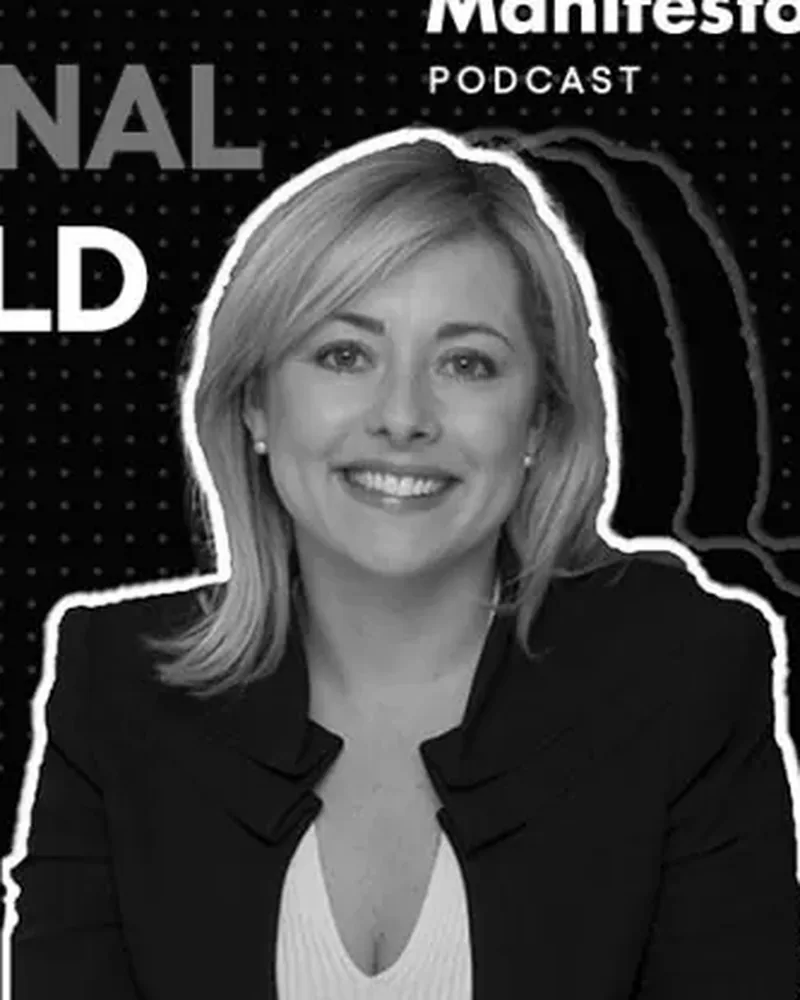 with Linda Simonsen


Overview
This episode is a discussion with Linda Simonsen – CEO and Founder of Kleu – a digital tool which develops the emotional fitness of employees to improve well-being, workplace culture and performance. We talk about emotional intelligence (aka emotional fitness) and how you can leverage it to build a world-class organisation.
SHOW NOTES
Key takeaways
- It takes about six seconds for the rational brain to catch up after an emotional amygdala hijack, so pausing that long changes the response.
- Emotional intelligence is unlike IQ because it can be learned, developed through deliberate practice rather than picked up simply by understanding the theory.
- Kleu's digital program uses 15-minute simulations three times a week for 12 weeks, because new habits take about 90 days to form.
- Only about 20 percent of employees and job applicants test with a high emotional intelligence profile, making it hard to hire purely on that trait.
- Trust depends on both competence and character, since someone brilliant but unreliable at their job still will not be trusted by their team.
Chapters
About the guest
Transcript
Auto-generated from the episode audio, so expect the odd mis-heard word. Timestamps open the video at that point.
And so I wanted to be a better leader and I wanted to try and work out what made my staff tick? Why do some respond, you know, when I give them feedback in a really constructive way? And why do others get deeply offended and want to leave? You know, so I went down that rabbit hole and noticed not only did learning emotional intelligence skills as a leader help me be a more effective leader, but my customers were really interested in it. my employees were interested in it, and it also helped me in my personal life.
You're listening to the Growth Manifesto podcast, a Zoom video series brought to you by Web Profits, where we talk about how to drive business and marketing success. This episode is a discussion with Linda Simonson, CEO and founder of Clue, a digital tool which develops the emotional fitness of employees to improve wellbeing, workplace culture, and performance. We talk about emotional intelligence, which is also known as emotional fitness, and how you can leverage it to build a world-class organization. So let's get into it. Today, we're speaking with Linda Simonson, who is an expert in emotional intelligence,
which you also call emotional fitness. She is the CEO and founder of a company called Clue, which is spelled K-L-E-U. and she consults to some of the biggest banks to governments on actually how they can instill emotional intelligence or fitness and we'll get to this pilot in a second across their team. She's been a founder and she's been an entrepreneur for over 20 years. She's been the feature like in like a bunch of magazines part of entrepreneurs organization. She has a list of accolades but today we're going to be very much specifically focusing on emotional intelligence yeah but just
before we get to that point, how did I do in terms of the intro? Great intro. Is that right? Yeah. Yeah. There's nothing else you really need to know about me, except I'm incredibly passionate about people being able to fulfill their potential in life. Yeah. Fantastic. Fantastic. And, you know, I'm super excited today because we're talking about emotional intelligence and, you know, there's a lot of, like, it seems to be a trendy word right now, doesn't it? Like emotional intelligence like you know has been this thing that they've been talking about for years but how
would you define it because let's start with that because i'm super interested in knowing just what it actually is because i feel like it's about feelings but it's like it's so much more than that and that's just me being super basic right now so yeah so i'd love to just start with the definition it is having a renaissance definitely um you know it was probably made most famous by Daniel Goleman in the 80s. He didn't actually invent it. He just marketed it really well. And so emotional intelligence became this thing that was really focused on in leadership.
Definition wise, there's a few different definitions out there. But in a nutshell, it's really the intelligent use of emotions. So think of emotions as data, just like any other form of data. And so if you can learn how to identify and manage emotions in yourself and in other people, you can get better outcomes. So it's the intelligence required for human interaction, both to show up as our best selves so we can interact well, but also to manage interactions with other people. So it's emotions that are used as data. Is that what you just said?
Like, is that what it is? It's like, because this is hard just for me to understand. And if it's hard for me, then I'm sure the other people out there that are spreadsheet people, let's call them right um that just need you know stuff in boxes it's like to leverage the like like emotional capacity like in the organization to perform better right is that right yeah exactly so i'll give you i'll give you an example so frontline employees there's 4.3 million of them in australia
serving the public now right at the moment in the context of covid they're doing what we call a really high level of emotional labour. So any sort of work that requires you to either repress your emotions, so smile when you actually want to strangle the customer, or to express, for example, empathy when you may not feel it for the person is what we call emotional labour. So there's a whole set of skills that you can learn around managing those interactions to get better outcomes.
so think of emotion as data in terms of um if you are in a situation have you maybe you've been in a situation i'm sure you haven't alex but where you've said or done something you later regret and you just think what was i thinking so many times in my life we all have we all do right but in our personal lives with our kids our partners our friends all that sort of thing So emotional intelligence tells us that we actually weren't thinking.
Our brain was responding to a threat in our environment. And so we went into what we call an amygdala hijack or a fight or flight response. Now, it actually takes six seconds for the brain to catch up to that what we call reptilian response to a threat. so if we can learn how to manage ourselves through that six seconds so that we can actually wait till rational decision making kicks in we can change our behavior our responses and ultimately our performance at work and in life so emotional intelligence is is the intelligence of
identifying and managing emotions in ourselves and in other people okay it's okay i got it but in ourselves i think that's almost the harder part i think when you normally think of emotional intelligence i guess you think about you know the ability of you to to use feelings um to improve a situation but yes you'll have never heard about that six second time between the response and the specific thing that happened yeah and so and for some people that's longer like i think for me
it's maybe longer than six seconds right so is six seconds like the standard is six seconds like like kind of the average is how long research tells us that it takes for the thinking part of the brain to catch up to the emotional part um but you know every human being is unique in individuals so a big part of emotional intelligence is understanding who you are what and what role do emotions play in your life both um you know emotions that are unhelpful and emotions that are really helpful and how can you actually manage them when you need them so avoid the
unhelpful emotions when you don't need them. So for example, avoid feeling threatened when a customer yells at you, because when we feel threatened, we can't think clearly or creatively problem solve. But it's also being able to get yourself out of a negative mood and, you know, know what triggers there are for you that put you in a mindset where you can be a more effective leader, or you can engage better with a customer, or when you get home from work, show up as emotionally present for your family so it's it's both unhelpful and helpful emotions that uh we're
looking at how to how to manage cleverly basically you know what's interesting is that you know like i'm a pretty rational guy um like i've got a pretty strong mind um you know like you'd like i'm extremely persistent but when there's a really strong emotion and it's like a negative one and it could be happening i guess kind of in the personal life it's really hard to think your way out of it it's like it's really difficult to think like your way out of it and so how does
emotional intelligence kind of like contribute to that or yeah how does it yeah like it's it's could you speak about that part please yeah absolutely so emotional intelligence is not a tray that you naturally have you know some people have emotional intelligence and higher quantities you know from a starting point and that can that can be due to personality factors exposure learning you know upbringing but the beautiful thing is unlike IQ EQ can be learned and it can be developed
by as little as 25 percent and up to 50 percent so think of it as riding a bike so when you learn to ride a bike you've got you know you could read a book about how to ride a bike or you could watch a video or your parent or someone could show you what's involved with the riding a bike. And then you could probably pass a test on how to ride a bike. But it's not actually until you get on the bike and you start falling off and scraping your knees, do you learn how to balance. So emotional intelligence is a set of learned skills. Anyone can learn them. Of course, you need to want
to improve the way you either feel and manage yourself and show up or the way you interact with others. But I think most people have some aspect of their life, some relationship or situation where they think, oh, if I could just fix that, or if I could just be better at that, life would be so much better. So actually, I think there's anyone that's immune to benefiting from improving their emotional intelligence. I could be biased there. And you can learn it on your own. I mean, it's about interaction. But you know, when you get on a plane, and they say, put your own oxygen mask on
before you help the elderly or a child. So emotional fitness is just the same. And we call it emotional fitness because emotional intelligence can be viewed as a bit more of a theoretical concept. We're really focused on giving people the practical skills so that when they are in those moments of stress, they actually have some habits that they can rely on so that they don't just revert back to what they've done in the past. So, you know, you get on a plane and they ask you to put your own oxygen mask on first and before we can actually serve others or interact
well with others we need to take care of ourselves first but often emotional intelligence any learning or training sort of stops there and I really think that you know the biggest opportunity for human beings is to improve the way we we interact because you know it's that connection human connection that really gives their life meaning and I think we can see that right now in the current climate how important that is yeah sure and cool so you mentioned that it's a skill so unlike iq which can't be taught um you can be taught eq right and there's a set of skills
what are some of the things that people can do to kind of improve emotional intelligence skills well the reason we call it emotional fitness is emotional intelligence has developed much in the same way you develop physical fitness so unfortunately you can't just watch fitness videos you actually have to participate i've tried i've tried that too by the way i participate in the chocolate eating but i just watched the exercise videos yeah getting emotionally fit's a lot easier than getting like getting physically fit maybe that's
why i've chosen it as my area of expertise but um so first of all you need to know which areas of fitness you need to improve so for example alex you might be really good at being emotionally aware of others, but your own emotional awareness may not be that high because you're so focused on being resilient and you're such a rational person. So I think the first point is you really need to uncover your blind spots and understand, okay, what is it that I want to improve and why? And have a really strong why. Like most things in life, we're not motivated to improve unless we've got a really strong
why. And then the next thing is really to look at, okay, what are the right exercises to do? You know, I don't know about you, but I've definitely gone to the gym and done all these cool machines and all these things I like doing and then nothing changes and it's because I wasn't actually doing the right exercises in the right quantity or doing them in the right way so we need to learn the exercises and make sure we've got an expert coach teaching us how to learn the exercises and then we just need to practice them regularly so our brains have this beautiful neuroplasticity
So this ability to actually create new neural pathways and unlearn unhelpful things and relearn things and turn them into habits that are helpful to us. So in the in the Clue digital emotional fitness program, that's what we focus on. We give people the exercises to do in the right way in the right quantity, small amount regularly. You know, it's only 15 minutes, three times a week over 12 weeks to get emotionally fit. and we use cool technology and neuroscience techniques to actually embed them as habits
I mean that type of exercise amount and volume is perfect um for me um it's interesting that you compare it to fitness because it does kind of make sense now like in understanding how complex it can be to get in shape in terms of actually how good you are at the emotional side of things right um what are some of the examples of some of the exercises which a person could do
yeah because obviously there's all the parts and so maybe we start with that yeah so what are some of the things that i would kind of say hey look i need to improve that yeah yeah and so then the second part is actually the exercises right what's the first part yeah because i said say for example i have some blind spots but how do i know the blind spot to improve first well you know the blind spot when you see how others uh react to you so you know that's what
i mean by data so actually being able to identify so say for example you're in a situation where you're negotiating something and you lose control of the negotiation and you end up feeling really quite disempowered that would be a flag okay there's something because because it's all about feelings you know uh absolutely you feel disempowered and the other person feels powerful so you know how do you see the signs in that interaction that you may be losing power or negotiating power and be able to shift your demeanor whether it's um your body language
that your tone of voice or um but most of the time um we we end up focused on ourselves in every interaction. So probably one of the simplest things that we teach people to do first is what we call first, second and third position. So it's, it's, you know, did your mother ever say, you know, walk, walk a day in another person's shoes before you judge them. So in any interaction, you've got three parties, you've got yourself, that's first position. So that's what's happening for me and how I feel. And it's all about me. We often just stay in that position in any interaction the whole
time. Then we've got second position. So that's where we're putting ourselves in the other person's shoes. What are they feeling? What are they thinking? What are they wanting from the outcome? And most importantly, how are they experiencing me? And then there's third position. So third position is where you're a neutral observer and you elevate yourself up above the interaction that's happening between you and someone else and actually have a look at it from a third person neutral point of view to take any emotion out of the out of the equation so that's just a little
example of one of the techniques we we use to actually help people learn to connect with other people and show empathy empathy is the biggest tool that we can use for connection and you mentioned earlier that you know that you're quite a resilient and rational person there's been a lot of emphasis for a long time on building resilience and you know it depends on the definition of resilience that you use. Resiliency is really important, you know, being able to get back up when you've been knocked down. But it shouldn't come at the cost of other things such as empathy
and connections. And so that's where emotional fitness is very much about going beyond the me and the I and into connection with others. And how do you make those more meaningful and fruitful? And so, yeah, thanks for explaining that. And so then, does that mean then that the exercises in that example, which would be practicing kind of how I would see the first person example, second person example, and the third person example. And I would do that for 15 minutes for three times a week, just to get a bit of a step back. So we actually, is that an example
of an exercise or is that? Yes. Yes. But we've, we've actually created simulation. So you can do this in a, in a safe digital world where you're not, you know, offending anyone, you know, or, ruining any relationship. So we basically have created scenarios where an employee interacts with a digital character who might be a customer, a colleague, or even their manager. And these are common workplace scenarios. So for example, it might be you're getting feedback from your manager you don't really like or agree with, or you've got a customer who's, you know, being really
tedious and pedantic, and it just doesn't make sense, and you can't help but feel frustrated, or maybe a colleague is not pulling their weight on the team. So common scenarios that happen in any workplace. And so we give the person a two to four minute coaching video on the coach. So instead of having to read about theory around, you know, how do you interact? You know, it's a really short, sharp, hopefully engaging video that introduces a concept. And then the person actually gets to go into the simulation, the interactive scenario and try it out.
So they start applying the techniques with teaching. and then they see what happens so the other person might actually slam the door and walk out the other person might say wow that's the first time i really feel heard and really connected to this organization so they get to try different techniques and see what happens and we have a little emotional fitness odometer so a person actually when they make a helpful choice their odometer pops into the green uh you know just like in a car and make a choice that's not that helpful it pops into the orange so people get real-time feedback as they're going on how it's
going and then I pop in or a digital version of me pops in as a coach you know over their shoulder and says hey you're doing great you did that really well because or maybe you could have gotten a different outcome if you tried xyz have a go at it yeah sure so you touched on some fantastic topics and I'm going to try to speak about them each so we can just get a lot of information out there just on this topic. But the first one is, you mentioned empathy. Is empathy the same as emotional fitness? Or is that just the main emotion or the main
trait or whatever else it is in emotional fitness? So emotional fitness is really about three things. It's about being able to manage myself. So be emotionally aware and understand the role that my emotions play in my behavior and in my performance and also know how to regulate that. The second part is what we call connection skills. So empathy is really a very important part of connection. I don't think you could ever build a connection with someone without being able to demonstrate empathy. And then in the third part,
it's all about collaboration, which is about taking empathy to that next level, building trust and be able to negotiate outcomes. You know, empathy isn't, sometimes people think, you know, they confuse empathy, sympathy and pity. You know, pity is when you feel sorry for someone. And it's actually not very positive, not very helpful because it suggests the person is inferior to you. Yes. You know, compassion is when you're taking responsibility for someone else's emotions, even though you may not have caused them.
empathy is the healthy choice so empathy is about being able to share the emotional experience with the person so you know if an example might be you know you've never been in a situation where you've been fired from a job but so if you're sitting in front of an employee and they're getting fired it's hard to empathize because you might be thinking well I would just never let that happen for example but you would have been in a situation where you felt humiliated um or um
like a failure so true empathy is actually finding the equivalent emotional experience the parallel emotional experience and then being able to actually reflect that back to someone and acknowledge how you know how what they're feeling and how you may have been in that situation before and immediately it creates connection. And I think that, you know, if we all approached each interaction just from a place of empathy, what's going on for the other person? Taking a moment to find out and then being able to think,
oh, I felt like that, how did that impact me? Would make a huge difference to our interactions, both at work and in our personal life. That comes back down to the first point, right? Like in being able to manage like your own state, right? before you can even provide empathy to someone else you need to like in that six seconds just really go right yeah this is my initial response not helpful yeah second response this ask a
question or something like that that's going to help you relax a little bit is that right yeah so an example i know you're wanting tips alex i can tell i want tips badly because i because i i'll be using them myself but also it's super helpful just to the podcast listeners Absolutely. If they've got things they can start doing. So that's why, yeah, I'm going to keep just badgering you until you give me something. No, no, I love it. I love it. So an example, a really simple example is count to six and take six breaths. And you'll find breathing deeply in and out six times.
By the time you've done that, you'll be out of the amygdala hijack and you'll be thinking more clearly. Some people do random things. we had someone that decided they were learning another language. So every time they felt themselves get sort of heat up emotionally, they would stop and they would translate a sentence backwards in the language they were learning. Great. That's cool. Some people. So it's an interrupt. It's a pattern interrupt, right? Break the connection, the circuit, and give it a moment to reset.
So we teach people, we get people to uncover. We call it intervention techniques. So we get people to uncover which intervention techniques work for them. Breathing might not work for someone else, you know, for one person, but looking at a photo of one of your loved ones might work for someone else. You know, everybody develops these little techniques. Do you remember, you know, seeing people in funny movies that had an elastic band on their arm when they were trying to. Mark Wahlberg had one in this movie I just watched. It was an awesome movie, by the way.
It was so good. Yeah. Example. So there'll be different for everybody. We teach some general ones that we know work. But then as people get more fit, they come up with things that work for themselves. Look, I personally know how that feels. And I'm sure that everybody has probably done this. It's when you're really upset and you reply to some email and you write it and you send it. And in that moment, you're just believing that that's the best email I could possibly write.
the next morning you wake up you even forgot about what the issue was and you're like man i could have done that so much better maybe i was a bit rude i didn't really empathize i just got really frustrated because i was just thinking of myself in that moment yeah i didn't really see the context and i was like and so now i've just learned if you're going to send off an angry email just wait yes so it's a version of that right and because after a couple of hours you probably don't even care anymore but like in the moment it's kind of the flight of flight response is so strong you just think you're so right in that moment but yeah so that's an example of when you're being driven
purely by emotion and so that's where your intervention technique would make you to stop and think and go hang on a sec am i reacting or am i responding and that's the first thing we teach people around self-management let's respond not react you know anger is actually a valid emotion, but we always get people to think about what are they trying to achieve at the end of the day? And does expressing that emotion in this way, get you closer or take you further away from the end goal? So it's out of that reactivity and into proactivity in terms of
what you're actually trying to achieve. And, you know, I think that the angry email is a really good example, you know, because I think everybody sent one and afterwards, you know, thought, oh, Maybe I could have done that differently or why'd I send it differently? But also email often gets received by the person on the other end very differently to the intention that it was sent with. And that's where empathy comes into it. So reading that email, taking a step back and going, okay, so based on what I know about this person, how are they likely to feel when they receive this?
And the reality is people are not motivated when they feel bad. They are motivated when they feel good. So how can you shift the message and turn it into a motivational communication rather than a demotivating one? Yeah, like, and I think it's obvious is when the whole email, like, basically is in the caps lock with six exclamation marks. There's pretty much, there's probably no way they're going to be able to say that and go, oh, he was really friendly in that email. You know what I mean?
So because that's, but that happens like in speaking as well, right? so it's harder in speaking because it's too late by the time you have kind of understood i did that incorrectly it's too late oftentimes yeah how do you recover from that like if you go in there like is it to say sorry like i over respond like i kind of i should have reacted like in a bit of a different way like is there a way to recover from that like and now i'm asking
for extra kind of advice around if you're already now gotten past the point of no return if that's a point but is there a way to recover like that absolutely i look i think the beautiful thing about life is um you know there's not very many decisions we make that we can't recover from in one way or another and i think human beings actually do want to connect uh so you know there's lots of techniques you can learn to recover or rebuild or repair the connection bridge uh you know when it's broken it's harder obviously i think you know the reason that we created those
simulations is so that people can practice so there's less need to to you know to repair and to actually embed the skills as habits so you actually don't have to think oh I better do that if you practice something enough it actually becomes like a set of habits that in those situations you automatically revert to so that's how we use technology and experiential learning and gamification in the program because that helps build the habits.
We can all sort of learn hints and tips, but as I said, you've probably been to a course or you've listened to something. I remember when I listened to Simon Sinek's Why. I mean, he's brilliant. I love it. And I walked around going, right, I need to focus on the why. And then I went, but how do I actually do this? How do I bring it to life? So it's really about getting out of theory, getting it into practice, practicing enough so it becomes a new way of being, a new set of habits. Think about back to physical fitness. You know, when you work on your core strength and then in any situation, you're going
to be stronger, less likely to get injured, more flexible. Emotional core strength is the same. If you work on it and you build your core, then in any situation, you are going to stop and think before you react. You're going to see the signs. You're going to notice your body temperature's gone up or your palms are sweaty you're gonna go oh that's a little alert i probably shouldn't jump in here um yeah so you know there's there's definitely ways to recover that's a whole piece because that's about trust oh that's that last part that's that third part right that's that
trust so it's you it's them and then it's trust and that third part is the difficult part that's almost the hardest part isn't it well you actually can't well it's the easiest part the break but it's a hardest part to rebuild yeah and you can't actually get to that to a point of trust without self-management and empathy skills so there's really two elements to trust there's competence and character so if you ever met someone who's really competent at their job
they're so good they often keep their job or stay on a team because they're so bloody brilliant at what they're doing but you can't rely on them they don't trust them right alternatively you'll have someone else who you can always rely on who always follows through and they just have you know a wonderful character and work ethic but the work's not up to up to speed so you actually so we teach people the importance of competence and character in building trust and feeling trust for others and then we ask them to evaluate where do they sit on on the trust matrix with the people
they commonly interact with and how can they shift from one quadrant to another by being more reliable communicating better yeah that makes sense now for why like for some people that in the past like i liked but then they weren't that good at their job so i didn't like them as much anymore because because because i didn't trust them now right i didn't know that was because of trust because like you trust them as a friend yeah then you can't trust them in their job that's really really interesting um let's jump quickly to leadership and emotional fitness i want to
finally call it emotional fitness now and everyone's like don't you mean intelligence like no no no it's fitness because it's like an exercise um but leadership how important is emotional fitness in being a good leader oh gosh well look there's lots of studies that have been done that looks at the relationship between emotional intelligence and leader effectiveness So, for example, you know, there's this quite old now scatterplot that shows the higher the emotional intelligence of a leader, the more engaged members of their team to the point where there's no one on their team that's disengaged.
So, you know, and the link between engaged employees and then high performance organisations that, you know, higher earnings per share, faster growth rates, more engaged customers, that link has really been well made. But I guess in a nutshell, you know, have you ever been inspired to do your best, give your best by a leader who is angry, emotional, doesn't listen to what you say, you know, reacts and not interested in collaboration?
Not really, no. So an emotionally intelligent leader shows up as present, expansive in their thinking, you know, willing to consider views. They respect people and they view their role very much as the person to unlock the potential of the people in their team. So you'll find that there's a certain amount of humility that comes with being an emotionally intelligent leader. so ei and leadership's been well researched i think i got really interested in equipping
frontline employees with emotional fitness because they often don't get access to this sort of leadership development you know leaders often have an element of emotional intelligence in any leadership program they may do but our frontline employees you know and there's actually 4.3 million of them on the front line in australia at the moment and you can imagine how much emotional labor they're doing. So we really set out to democratize access to emotional intelligence development and take it down, you know, beyond or below leadership and actually give it to the
people who are interacting with customers day by day in a lot of really stressful situations, particularly at the moment. Yeah, sure, sure. I am going to have to bring it back to leadership though, because we have a certain audience. I know that was a fantastic, like, it sounds like I just heard the why, you know, of Clue, which is fantastic. A lot of the people that are going to be listening to this podcast are going to be like in a position in terms of the fact that they are going to lead teams or they want to lead teams.
And so, like, I'm going to just take it back a second to leadership, if that's okay, Linda. Yeah. If I want to become a leader, do I need to be emotionally fit for that? Like, or can I be a leader and not be that fit in terms of AI? Look, I think it depends on the industry that you're in and the organisation that you're in. But there's no doubt that, you know, organisations are becoming
much more humanistic. And employees expect employers to be empathetic. they expect their leaders to be emotionally intelligent there's a big emphasis on diversity and inclusion in workplaces and helping develop other people so I'm not sure that you could really be an effective leader without emotional intelligence skills I would eat my hat if you can find a really effective leader that's not emotionally intelligent and in fact I you know
went on this journey myself before I developed, built Clue and developed the emotional fitness program. And so I wanted to be a better leader and I wanted to try and work out what made my staff tick? Why do some respond, you know, when I give them feedback in a really constructive way? And why do others get deeply offended and want to leave? You know, so I went down that rabbit hole and noticed not only did learning emotional intelligence skills as a leader help me be a
more effective leader, but my customers were really interested in it. My employees were interested in it. And it also helped me in my personal life, you know, because these skills aren't just for the workplace. These are basic human interaction skills. And that's why I'd argue that you can't be a leader without emotional intelligence or, you know, on a journey to develop your emotional intelligence yeah i think and i think there's all kinds of leaders out there and i think um there are certainly leaders out there that are not good at this stuff and you can
tell you know that like the people who report to them maybe don't get the same motivation excitement kind of support that um that they could be getting and that that that affects the company overall but then as a company what do you do if you are now kind of promoting people because they are awesome at their job and they're like like and they have got their skills and so the next level is not to do the work is to manage others right this is that thing right is that you can juice well
to the point that that that you start to manage others but you haven't been taught yeah so how does the company ensure that those people have the right capabilities because because otherwise they're going to learn at the cost of the people kind of who report to them right yeah and unfortunately i learned the hard way you know i haven't i'm still on a journey developing my emotional intelligence the beautiful thing is it's sort of a lifelong learning journey which is a pleasure to go on um so instead of being left going oh why did that happen you you start to
understand you have a framework um you know i think that first of all organizations are really starting to distinguish uh between technical competence and social competence uh and more and more promoting leaders on the basis of uh their social uh skills their ability to optimize teams you know but often and i've made this mistake as well we take the person who's the best sole contributor on a team and we go they are so good at their job let's make them the leader
or let's make them the boss and there's obviously a big distinction between a manager and a leader you know a leader is someone who actually people want to follow because they believe in the vision a manager is someone that organizes resources uh you know around a project or a goal uh so it's it's a lot more technical. So, you know, there's the best way to evaluate someone's emotional intelligence in a leadership context is to do a 360 degree assessment. So that's where you rate
yourself and then you, your colleagues, your manager and your employees provide you with anonymous feedback on say five or seven emotional intelligence competencies, depending on the test that you use. And you get this clear picture of where your strengths are and also where your blind spots are, which you mentioned at the beginning. And then you know exactly what you're good at and you want to keep doing more of and also what your development areas are and what you need to work on with a coach. Okay, great tip. There's something really solid there. So
you can do 360 degree reviews to really uncover the people who are more naturally suited to leadership roles yes and does that mean then that you it's so you're promoting for the role not for the person right so it's like because the person who's a fantastic sole contributor they may leave and so oftentimes like you think well if they want progression they should have the progression here but that may actually go against you is that right but because then
And so they may not lead the team as well as the other person who may not be as technically competent, but they are a lot more emotionally fit. Is that right? Yeah. Well, you know, that saying that people leave managers, not organizations. So I think the person that each employee individually reports to is the most important person. You can have an amazing, you know, CEO or founder of a business, but sometimes there can be a gap between the promise that they deliver and the culture that they espouse and, you know,
the employee's experience with their immediate manager. And so that's the trick to get, you know, the immediate manager delivering, you know, their culture in action. So whatever the boss wants the culture to be, that manager needs to be able to role model that in every interaction. Otherwise, there's this gap. And we talked about trust. Trust gets broken because the employee joins an organization thinking it's like this but then their experience is like this the beautiful thing as i said though is emotional intelligence can be learned so you know if you want to promote someone
because they are great subject matter expert they're loyal they've been with the organization a long time and people respect them you simply develop that component whereas you know if you needed a leader with great numerical skills that's an iq component and you know someone's not really strong numerically you might be able to shift the dial a bit but not not a great deal beautiful thing here is you just identify that it's a critical leadership competency and then you develop it in the individual so you get both yeah great but how long would it take to kind of upskill
somebody on this okay cool say somebody is up for a promotion right and you want to get them ready so that so that they don't screw up too much i mean everyone's gonna screw up it's fine to screw up but you want to give them as much support or what's a little padding as possible in case they fall right um how much time should somebody sorry like i need the numbers and the specifics right but like i'm just trying to just get kind of perspective right i'm like cool this is going
to be six months or two months or there's accelerated ones yeah well look the reason that our program is 12 weeks is because it takes 90 days to create a new habit it's not 21 days like 21 days yeah it's it's 90 days to create a new habit so i think um you know if you were gonna if you were wanting someone to go for an interview for a leadership role you know they don't have to go from hero zero to hero overnight but i think creating the awareness for them and then them deciding they want to go on a learning journey and then working through it but you know say
there's seven competencies well you know if you were doing it in a traditional way I think it would probably take a 12-month journey of you know classroom-based training and then sort of trying and practicing it the beautiful thing about digital is that you accelerate that process and you don't need time in the classroom because you're putting people in scenarios where they get to practice so I'd say minimum 12 weeks and up to 12 months if you're using traditional methods that's great and i mean it's obviously a skill that they'll have their whole life and if you
deal with people yes it's the number one skill it's the highest it's the highest paid job in the world is you know trying to manage like like a bunch of people yeah like it's the bigger and it's the hardest thing it's so complex because everyone's different and there's like differences It's not like your SEO or email marketing or the most complex thing. The people side of things is so complex. And leaders, not only does it make them a better leader, but, you know, we need to, we do need to put on our own oxygen mask first.
And, you know, if you're trying to deal with and meet the emotional needs of everybody on your team and forgetting about your own, you very quickly burn out. and so you know actually it's it's it's actually an emotional well-being initiative as much as it is a leadership capability if that makes sense and so yeah I think it's it's critically important for leaders to look after themselves before they look after others and what are some things which a person can do to look after themselves I'll give you a little example so human beings a little bit
like a kettle you know when a kettle is full to the brim and you put it on to boil it takes quite a bit of time to boil but if the kettle's empty then you put it on to boil and it can't take much heat and it boils over quite quickly so if a leader notices they're boiling over quite quickly um we know that they're what we call their emotional tank or their emotional bucket is empty and so the best thing a leader can do is understand where's their emotional tank at
and when they have interactions that drain the emotional tank and there's plenty of them that happen just being aware that that's just been an interaction or a situation that's drained the emotional tank and then consciously refilling it so people will have all different ways to fill their emotional tank mine is is slightly weird but beautiful i float on my back in the ocean so when my tank is getting empty i go off and do that someone might surf another person actually might call one of their kids for a laugh and a giggle someone else might play a piece of music
or look at a photo. So it doesn't really matter, but it's just that consciousness around, where's my tank at? Do I need to fill it? If so, let's take a few moments to fill the tank. And that is a wonderful way to just self-regulate and stay emotionally present and healthy in all those emotional interactions you have as a leader. And so you might take a couple hours off and do something that is fun for you, that's extremely relaxing, that's happy it could be 20 minutes it could be a couple days it could be a week right depending
on kind of like how empty it is and how big the demands are right yeah and it's just being aware that you you can't run on an empty tank you start spluttering just like a car does when it starts running out of petrol and if your ticket is low everything's going to seem harder and it's going to be really hard to show up in the right mindset to engage with customers staff suppliers whoever it may be so just being mindful of the tank and making sure it's full or reasonably full before you know you engage in something that's important yeah okay that's fantastic advice thank you for
that um this is this is such a good uh podcast so far because these are all questions i've always had about um this topic let's jump quickly um to measuring it because i know this is something which you have to do kind of as part of the consulting, especially to these huge organisations, right? Because they're going to want to see the data, right? It's like, yeah, this is fine. Got it. It's the cost. What's the data show? How do you track this? Yeah.
Okay, so historically, here's how we measure emotional intelligence. If you're a leader, you get to do that cool 360-degree assessment. It's quite time-consuming. you need to get everybody doing their feedback. You know, you pay for that, obviously, and then you get a coach to debrief you. So that's, you know, a process in itself. So that's a really accurate way of measuring emotional intelligence, because it's not self reporting, it's based on what do the people that matter say about the way you behave. So that's really valuable.
And then, of course, you can take that person's overall emotional intelligence score, or their score on certain competencies and compare it to how their team performs, whether it's sales conversions, customer NPS, staff productivity, sick days, whatever it might be. So you want to really take the emotional intelligence scores and look at the correlation with business metrics. And that's how you really start taking emotional intelligence out of the realm of nice to have into actual, you know, tool to drive business performance.
So three or four years ago now, actually, we measured the emotional intelligence of over 1,000 frontline employees in customer service and their managers. And this was in really large organisations in, you know, fast-moving consumer goods, insurance, banking, government, all logistics everywhere. And we were able to look at the correlation between things like employee engagement, customer NPS, sales conversions, productivity, you know, how effective people are at their jobs.
And then also emotional well-being of employees, which we were particularly interested in. So we were able to isolate exactly what emotional intelligence score, you know, aligns with high performance. And I had this great idea, which was, well, let's actually build a recruitment tool that enables us just to hire people who have that profile, right? It's so important and it drives performance. The only challenge is only 20% of the people in the organization actually had that profile.
And only 20% of job applicants had the profile. so you know it's actually quite difficult to get to hire someone in with a really strong emotional intelligence profile because we don't teach it in schools oh we don't do we they don't teach you how to feel that's for sure and that's Hollywood they did that's Hollywood and they don't don't teach it the right way that's for sure and happily ever after with no problems at all it's like imagine if in addition to science
and English and mathematics, we learn how to interact with other human beings. What a difference that would make to parents, but also in the business world. So interestingly, you know, Deloitte, the management consulting company, published a report a couple of years ago indicating that the biggest skills shortage in Australia is this skill. Something like 3.5 million employees are needed with this skill and don't have it.
And that's expected to increase to over 5 million in the next five years. And of course, the World Economic Forum has listed emotional intelligence as one of the top 10 skills for the future of work. So, you know, thankfully, we can learn it. Yeah, that's great. And like, I think this goes on to my next point, which is about artificial intelligence. And artificial intelligence is growing pretty fast, right? And it's accelerating at a pace that people don't get yet, but it's happening. and it's happening in places that they can't see.
But it's all around us already and it's only going to become more. In a world where there is artificial intelligence that is going to be taking over a lot more roles, how does this work with AI now? Yeah, I think really good question. Well, I might use an example. So there's a bank in the UK that basically has bots that respond to customer inquiries, phone bots and digital bots and whatnot. And 70% of customers,
they all know that they're talking to a bot, but at the end of the phone conversation, they say, have a nice day. Human beings need connection and we need it. You know, it's a fundamental part of our life. I mean, my view on artificial intelligence is I think, yeah, let's automate the stuff that machines can do and then give the bit that only humans can do, which is actual connection and meaningful connection with another human being, let's actually elevate the roles that humans do to those ones. So I see a future where robots and
artificial intelligence take over all the cognitive tasks that, you know, historically have been associated with human IQ. And what humans become very good at is what comes naturally to us, which is being human. So I do think that artificial intelligence will have a role to play in emotional intelligence. So imagine a situation where, you know, you can say to Siri, hey, Siri, I feel really down today. And Siri can ask you some questions, let you know
some common techniques to deal with that situation. And you can maybe learn and grow. So that's an example of the interaction of AI and AI, if that makes sense. Yeah, it does. Like I'm asking you questions now that have no answers right now, but I just wanted to kind of understand your perspective on it, right? I'll do my best. You do your best, right? But so it would seem that AI could figure out the words to say
and the things to say at the right time. And yet it probably isn't going to work because it's how the person receiving those words feels, right? It's not just words, is it? It's like you can feel when someone cares about you or not. And you can feel when someone doesn't care about you, but is saying the same words. And the best example of this is I was in the US and I was at a coffee shop at the airport. And the lady there had a fake smile
and was saying the most polite words, but everything in her body was saying, get the hell away from me. Right. But she was super, but the words were good. And it would feel like that's the artificial intelligence version of emotional fitness. Is that right? Or is that not right? Like, I don't know. Like I'm trying to understand the difference. I think that's actually not a bad, not a bad analogy. I think, you know, there's a difference between emotions and feelings and that might be worth explaining here. So emotions are the raw things. You know, you have an emotion, you know, you're
angry, you know, you're happy, you know, you're sad. And, you know, animals have emotions, right? The difference between an animal and a human is that human beings can apply complex thinking to emotions. So we can actually think about the emotion and we can either think in a constructive way about what we're feeling or we can think in a non-constructive way. So, you know, for example, you know, some people fall into what we call a thinking pattern called catastrophizing.
So, you know, you feel frustrated and then your mind kicks in to that feeling of frustration and you start talking to yourself, you know, that little inner voice and you start talking to yourself saying, oh my God, I always get this wrong. I'm never going to get this right. This is going to be a failing and that then creates a mood right that you can get stuck in so they're the sort of things we teach people but you know there's this difference between an emotion and a feeling so i think a computer can definitely think about emotions um but it can't actually happen
it can't happen so it's not feeling the emotions so it can't apply the thinking maybe some clever person will find a way to help the computer feel you know the real thing and examples and I've looked into it is facial expression you know we often in very basic early on emotional intelligence tests you had to sort of identify what emotion someone was feeling but they didn't have Botox
then another thing is pulse so you know you can identify obviously someone's heart rate if they're stressed or not but it doesn't it it says it's a yes no it's a binary yep they're stressed um or they're not they're in a resting state but it doesn't tell you the emotion associated with it you can't distinguish is it fear is an excitement is it you know so i think we're a long way away from ai and ai coming together maybe it'll happen one day i don't i'm not sure it would be in my
lifetime because true AI, I think in its, in its true form where you use machine learning and the machine starts learning in its own way beyond, you know, any knowledge we could create ourselves. I think there's very little of that really happening in the world. And I think it's going to be a long time before, you know, it happens from an emotional intelligence point of view, but never say never. Yeah. And I also think that from the leadership perspective and from kind of the people perspective, there's still going to be people and there's still going to be leaders you know for some time yet so
i think this is a valuable skill um just to have right now um so i just have like a few quick fire questions which i like to ask at the end of the podcast if that's okay with you yes so what book has had the biggest impact on your success oh my goodness uh stealing fire which is a really interesting book about how you get and keep human beings in a flow state for high performance Okay, Stealing Fire. Cool, I haven't heard of that one. I'm going to read that one. What's your number one piece of advice for hiring awesome people?
Number one piece of advice for hiring awesome people? Well, of course I want to say, you know, hire for emotional intelligence. But I would probably say focus on values, alignment between the company values and that person's individual values. Yeah, great. And how do you relax after a crazy day at the office? I float in the ocean. Yeah, like I already had that one before, but I thought I was to ask it. I love to cook and yes, I do drink wine. You do drink wine. Yeah, I like to drink wine too.
So what's your best piece of advice in terms of time management and productivity? Yeah. How to use, yeah. Okay, so I've had to learn the difference between urgent and important. It's really easy getting caught up doing urgent things. I now focus on what's important over urgent. I don't know how hard that is. That's for sure. what's the best um it's a business advice that you have ever received cash is king oh yeah that's a really good one and like you don't really get that one until you get it and
then you're like yep got it cash flow yeah like what do you do for fun oh gosh love to travel obviously not a lot of that at the moment uh really love having big dinner parties and getting interesting people together to have amazing conversations about life yeah that sounds fun too is there anything else what you'd like to share with us about emotional fitness or emotional intelligence no i haven't covered so far i think we've covered quite a lot of ground i mean i think it's it's you know it can really take the heavy lifting out of leadership um it did for me and
then i guess i really wanted to see whether or not we can provide access to these skills to other people that not just in leadership roles because you know ultimately it's our entry-level staff that are our future leaders and I think everybody at the moment could do with some help around the heavy lifting emotionally associated with work and life so yeah if anyone's curious then obviously there's lots to learn and it's a journey you go on not just a bunch of hints and tips that you adopt and you know it changes overnight. I mean I want those hints and tips.
I know you do. Yeah, I do. So in terms of the companies that can hire Clueless, is there a specific like size of company or is there, so it's basically any size, any from say five staff to 50,000? It's fine. Absolutely. I mean, the program is built to scale. So it's fantastic for very large organizations. but the whole idea is democratising access to this.
So whether you've got one employee and you want to improve their emotional fitness or you've got 10,000, it's the same program completed in the same way and done pretty easily at the moment on any device. So whether they're working from home or in the office, it's easy and it's really just a journey that people go on and enjoy along the way that delivers better business performance. Fantastic. And how do people get a hold of you? Ah, www.clue.com.au.
K-L-E-U. K-L-E-U, right? K-L-E-U. You know what it means? What's that? To be heard. Oh, cool. That's .com or .com.au? .com.au. Fantastic. Linda, thank you so much for your time on the podcast. It's been such a fantastic insight into emotional fitness, emotional intelligence and the importance of it across organizations yeah so like i really appreciate the time today my pleasure thank you so much bye alex i'll talk soon bye bye
thanks for listening to the growth manifesto podcast if you enjoyed this episode please head on over to itunes and give us a five-star rating for more episodes please visit growth manifesto.com forward slash podcast