How Heaps Normal built a $57M non-alcoholic beer brand in 3 years
Peter Brennan explains how Heaps Normal launched a non-alcoholic beer brand in the 2020 lockdowns and grew it into a $57 million business.
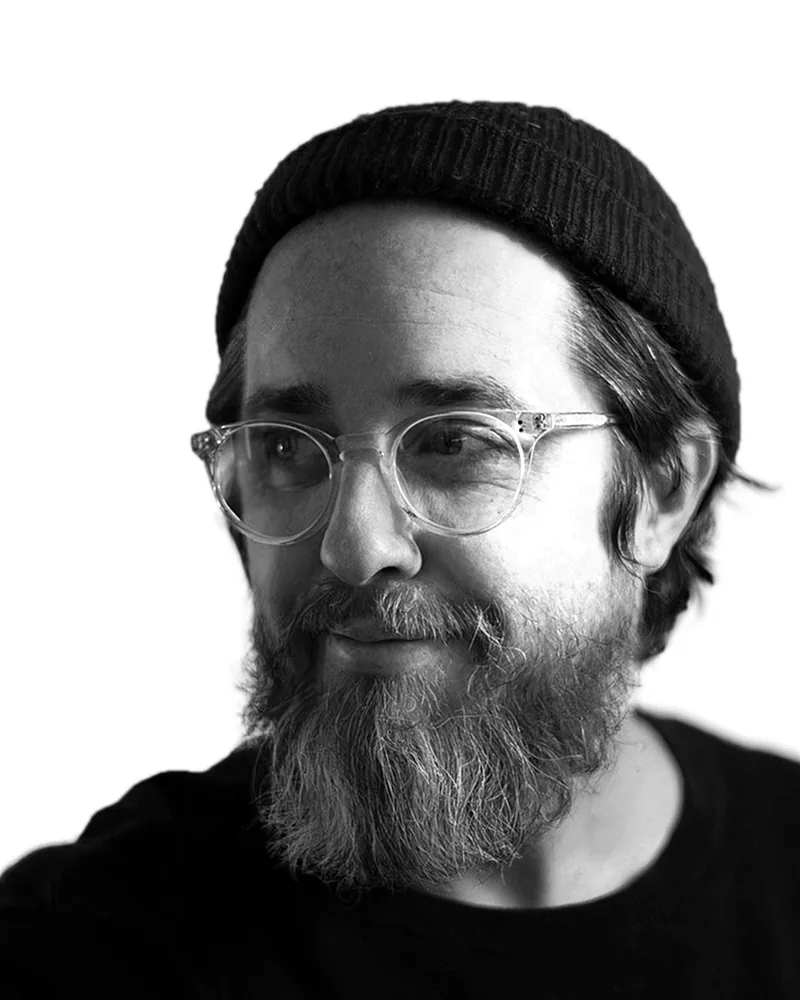 with Peter Brennan


Overview
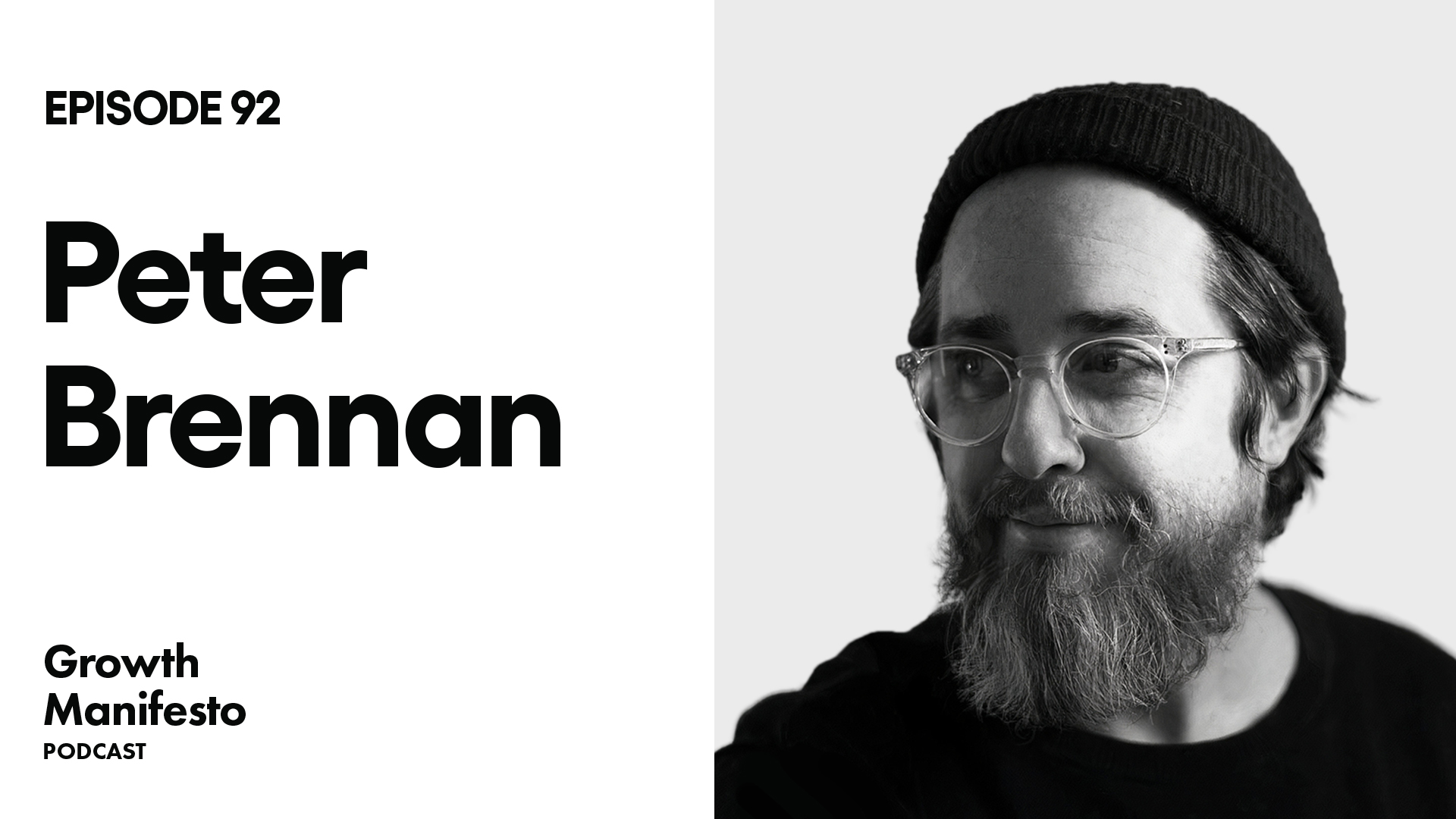
In this episode we talk with Peter Brennan – Co-Founder and Head of Brand at Heaps Normal – about how they launched their non-alcoholic beer brand in 2020 and in less than 3 years grew to a $57M business.
Key takeaways
- Peter Brennan switched Heaps Normal's launch from kegs to cans purely to survive the 2020 lockdowns that shut bars and restaurants.
- The brand raised $1.3 million through the Startmate accelerator, then $8.5 million about a year later from mostly the same investors.
- Heaps Normal targeted artists and athletes as its two core customer pillars instead of chasing broader demographic segments.
- Brennan deliberately turned down early offers from major retailers, arguing that growing too fast for the wrong reasons can sink a young brand.
- The brand never preaches sobriety, instead positioning itself as an option so people do not feel alienated for choosing not to drink.
Chapters
About the guest
Transcript
Auto-generated from the episode audio, so expect the odd mis-heard word. Timestamps open the video at that point.
But like I said, I think that ignorance plays a big part. If you don't know what's around the corner, it's easier to just carry on going as opposed to expecting the worst and not doing what you could really push forward and do. You're listening to the Growth Manifesto podcast, where we host in-depth interviews with business leaders, authors, industry experts, and entrepreneurs with a singular focus around business growth. At the end of each podcast, we want you to walk away inspired, to think bigger, and to have actionable takeaways you can apply to improve your business. Each episode is like a masterclass on a key topic, so make sure to browse the episodes
to find the topics that are most relevant to your biggest business challenges today. This podcast is brought to you by Web Profits, a digital growth consultancy that helps challenge your brands drive growth in a complex and fragmented digital landscape. You can find out more about Web Profits at webprofits.io. Now, let's get into it. This is Alex Kleantis and today we're talking with Peter Brennan, co-founder and head of brand at Heaps Normal about how they launched their non-alcoholic beer brand in 2020 and in less
than three years have grown it to a $60 million business, which is a massive feat. And for those of you who forgot 2020 was the pandemic, right? So we're going to jump into that as well, because this is a huge success story from probably like the hardest time I've experienced in my life. And I'm sure it's a consistent thing across all the business landscape. So this is going to be a really interesting story because you started in the pandemic. So first of all, hello and welcome, Peter. Hi, Alex. Thanks for having me. It's fantastic to speak to you. And I've heard about heaps normal because I thought that's not very normal to have like a non-alcoholic beer brand. And so let's start with what inspired you
to start the brand and how did you identify the opportunity, especially in the non-alcoholic beer market because it's not a standard pathway to go into. Yeah, it's not. Thanks for the warm introduction, Alex. It's really cool to be on your podcast. So thank you for having me, mate. I appreciate you reaching out. I think sometimes you go through experiences and you have these kind of thoughts and you sometimes scratch an own itch. And for me, that's what Heaps Normal was. And it's turned into this thing. And what that means to me is I grew up with an alcoholic father. I lost him to suicide when I was 11 years old. I talk about that very openly. It's not a sob story.
is just my story and it is what it is. And I'm at peace with that on a very personal level. But for me, becoming a father, I've got three young kids now, they're all under seven. And going through that journey myself, it made me kind of look back and realize I had a very unhealthy relationship with alcohol. And I don't know if that was nurturing through what I saw growing up as a kid. And I spend a lot of time in London and you drink beers for breakfast and meetings in London when you work there sometimes. I wanted to really change my relationship with alcohol because I wasn't happy with it. You know, I'm a branding guy by trade. I run a branding studio and went to work first on the brand to see what that would look like.
And it was called Quiet Beer for a long time. And I went and knocked on the doors of some friends of friends who owned some breweries around town and was like politely laughed at the room. It wasn't the right time. It wasn't right for the brand, but I just couldn't let go of this kind of idea. And I traveled a bit for work. I've been to Japan and I've been to the States quite a bit and realized like a lot of the younger people weren't drinking. It wasn't that big drinking culture that I was used to growing up. A lot of people were experimenting and microdosing and cannabis and things like that and drinking kombucha when they went out at night. the kids were so the kids I sound like such an old man but but it was a thing and it just stuck
with me and life went back to normal after those trips and it was just this thing that was sitting at the back of my mind and after a lot of people saying no there was the first person that kind of listened to me and heard me out was a guy named Andy Miller and he's now the CEO of Heaps Normal my co-founder and he was the first person who heard me out and went yep I can understand what you want to do and I can see the vision and I see this as a challenge as well and it's something he He had his own perception of what that meant to him. And he pulled in Benny, who's obviously an established brewer, worked at some incredible beer brands around Sydney for the last best part of a decade. And then I pulled in Geordie Smith, who's a childhood friend of mine and a professional
surf out of South Africa. And yeah, we started the business and here we are two and a half years later and it's going well. Like people are resonating with what we're doing and we've got a great following of fans that believe in us as a brand and we're trying to do the right thing by how we run the business and we're learning every day, but we're having a lot of fun and it feels like it's a good thing. So what was the state of the market at the time? Because 2020 is the beginning of the pandemic. I think the world was upside down at that point. And the four of you, I'm assuming, had been speaking about it for some time. And then you decided to launch. And so how competitive in terms of a space was it, just to start with?
And why 2020 after everything started to lock down? Was that the time? Yeah, some great questions in there. Just to unpack that, I think in terms of timing, it was one of those things where we'd been working on it for the best part of probably 12 months, if not more. before we'd actually incorporated and launched anything of value. And I think when you get to a point where you see a roadblock like that, you have a choice whether to stop doing what you're doing or plow forward. And I think there's a bit of ignorance in there for sure from our side and naivety as well, definitely as proper first-time founders. But we went forward and we had some really good timing things
that happened within that kind of COVID space in the first few months. We were destined to go into kegs, first of all. That was our first plan. If we had managed to pull that off, all the bars and restaurants closed down, everyone into lockdown would have been a disaster. So we went into cans and that was purely from a technical challenge of getting into kegs. It felt easier to get into cans and that really saved us. And then we got into Startmate, which is an accelerator program run by Blackbird Ventures, one of the most respected VC firms here in Australia. And that just opened so many doors for us. And yeah, like I said, I think just head down and trying to focus on what you can control
and not really being too worried about what you can't control. It's something I definitely pulled from. I think the rest of us did as well. But like I said, I think that ignorance plays a big part. If you don't know what's around the corner, it's easier to just carry on going. as opposed to expecting the worst and not doing what you could really push forward and do. Yeah, for sure. And I think every entrepreneur that's a seasoned entrepreneur, if you ask them at the time that they started, they thought they're completely optimistic. Everything's going to be fine. I'm sure we'll figure it out. And I think you need that kind of ignorant willpower and sheer optimism to really step into the path ahead.
And so in terms of when you raised the funds, were they raised in 2020 or before 2020? Yeah, it was 2020 we joined StartMate and we raised $1.3 million off the back of that. And that allowed us to do our first production run. We got a lot of press off the back of that as well, which obviously helps the brand at any stage. And we started getting noticed and it started getting us a little bit of traction out the door. We got featured on the likes of Broadsheet and some really influential publications. It really helps. So yeah, lots of good things happened pretty early on. And so you raised the funds, you started this thing at the beginning of the pandemic. You said, all right, cool, we're home anyway.
Let's just spend 17, 18 hours a day trying to launch this thing, maybe 20 hours a day, right? And you got some initial press. When was the initial spurt of growth? Was it immediately after the press came out or was it time later? Yeah, I think there's never really been kind of one certain jump in kind of growth. It's been a very gradual thing for us. And I think just to give you some context. From zero to 60 million in three years is pretty fast in terms of valuation. So I like the perspective of like slow growth, but it's just more of a consistent growth,
right? Like it was just being a consistent growth. Yes. Yeah, for sure. And I think, look, to try and answer that question, I think there was a lot of things that went right, like I alluded to earlier. The timing was one thing. I think COVID really worked in our favor. The first lockdown people went to Dan Murphy's and stocked up and stayed at home and drank through it. And I think the second lockdown people went, we can't do that again. And we were just poised to be there. And by that point, we were getting into a bit more venues and getting a bit more noticed in terms of being in bottle shops and things like that. And on a lot of e-commerce websites as well that were really helpful to our growth throughout the pandemic. I think there's also the tendency to want to grow too fast.
and you can really fall over quite quickly in doing that. To give you an example of that, we were told pretty early on if we wanted to get into the kind of majors, we'd have to knock on doors for a few months and you need to have years of trading on the belt and they'd hand me down on price and we heard all these horror stories, but it wasn't like that at all. Dealing with those venues was great. They understood our growth. They approached us to be arranged and then we politely said no at the beginning because it was too early for us and we would have fallen over, I think, if we'd just gone from being in a few hundred independents to these big chains and grocery stores around the country
because growing for the wrong reasons is not the right thing to do. And we want to do it properly. We're genuinely trying to change drinking culture. And that's something that is really meaningful to me on a very personal level. And that's my mission as a business. And to do that, you need to do that the right way. And that's not running after dollars and trying to grow as quickly as you can. Thank you for that. So it's been about three years now, roughly. And so at that time, how many other competitors were there at the time? Yeah, there's a few. There's, it's again, like I think we, just before we launched Carlton, launched Carlton Zero. And Heineken Zero was out around the same
time shortly after that. In terms of the indie space, there's some great non-art beers out there. And we weren't the first by any means. I think we got a lot of cut through because the brand was quite different. The product was very different as well. The early days of how we operated is we had these blank cans and we would hand them out to bars and restaurants of friends and family and people that we knew. And they would drink it and say, well, this is a great craft beer and started naming them the hot profiles and all the flavors. And then we would say it's non-alcoholic and jaws would hit the floor and they couldn't quite believe it. Yeah, it's been a journey. There's a lot that we can unpack. And so you're the head of brand. What was your strategy for differentiating
the brand? For sure. Great question. I love this one. This is your jam, right? This is me, Alex. I've got a bunch of brand questions for you now. This is great. I'm excited. And I'm not a brand specialist either. So this is going to be good. I'm going to learn here. Awesome. I hope you do. And if you don't, I'm doing something wrong for sure. But look, I think being in a category that was super, super early. And being a brand that was launching in that category, it was still very much and still very much is in its infancy stages. And this wasn't just me. This was Andy and Benny and Jordi and I together working on this brand and building this. And we all wanted this thing to be
really different. We really needed it to stand for something and mean something. We wanted it to be, you know, on an emotional level, we wanted to engage people. We wanted people to really buy into our vision and our mission and what we're trying to do with it. And I think there's an element of nostalgia to it as well with the kind of the color palettes we've used and the style of illustrations and the typography choices. And for me, the strategy was to be able to stand around a fire at a barbecue or at the bar and hold one of these in your hands and not feel alienated and not have people ask you why you're not drinking if something's wrong with you. Because that was me
forever. I would either go out and have a drink and not be in control, or I would have a Coca-Cola and I pretend I have an ear infection and my antibiotics and I can't drink. And it gets a bit weird after a while. People start questioning and there's something wrong with you and that sort of thing. For me, that was the driving force. It's like, how can we make this thing so normal, hence the name, that you don't feel weird standing around a gathering of people that you care about, and you might value their opinion when they ask you what you're drinking. And that's evolved in our brand massively. We now create your own normal. People have taken that tagline of ours, and they've made it their own. And I think our brand is a vehicle for people to really just be
themselves and be okay with that weirdness that other people might think is strange and not normal, because your normal might be completely different. I saw your success over the years and I thought it's a super interesting name, Heaps Normal. It's like exactly how an Australian would speak. And so how did you actually create the name Heaps Normal? Oh man, we went- Because that would have been a really risky one, I would say. Yeah, massively. It's hard to get that past the shareholders, the stakeholders and so on sometimes. Oh yeah, yeah, yeah. Yeah, I mean, luckily by the time we got to talking to people like that, we had all that stuff locked in.
But in the early days, I think there was about nine different brand iterations we went through, it was first called Quiet Beer. We actually registered the business as that name. That's why the first product was called the Quiet XBA, the extra parallel, because it was a bit of an ode to our first business name. But yeah, I think it's one of those things where with any creative endeavor for me, you look at it for the first time and you have an opinion and you sleep on it and you have a different opinion the next morning or a month later. And I think sometimes there's a real magic in allowing that time to really stew out a little bit and really look at how a brand feels as you progress your relationship with the color palette
and the typography choice and the imagery and things like that. So we kind of had that luxury of time where we built the brand early, obviously me being a brand guy. So while we were still working on the product itself and the business and the backend side of things, there was opportunity to really push the brand. And it took us a long time to get it right. Andy was actually the first one who came up with a name one day. I remember him, Benny and I had just had like a random kind of afternoon meeting and we didn't land on it. But then as soon as we put the phone down, he'd messaged everyone going, hey, what about Heaps Normal? And straight away, we were just like, that's it. When you know, you know, right? Exactly.
Yeah, it was a journey, but I feel like we got there in the end. And so who was the initial target market? Because obviously you can't go after everyone and there's going to be like a certain kind of segment that would initially be interested. And so how did you actually identify that first target market segment? It's essentially the R-step because when I had this thing in my head, like the version of it for me was like, oh, obviously like people who have issues with alcohol and meeting Andy and Benny and getting to know them throughout this journey and them being both from a very kind of cool craft beer background.
There's insights there that are just so gold, like people in the hospitality industry, for example, who drink every night because they're just surrounded by it. By the time we got to launch, we realized who we wanted to target. And that was people who really enjoyed beer but wanted to cut down their alcohol consumption. And that could be because you're driving for the night and you're the designated driver. It could be because you're taking a period of abstinence because you're training for a marathon or whatever it might be. Within that, we delve down a little bit deeper into going after artists and athletes and really using those as our kind of two core pillars to go after instead of going after demographics and all that sort of stuff, which is typically where you would go.
Just really focusing on those two kind of key pillars and just allowing people to create their own normal through what we're doing. I know how that social pressure is if you for one night just prefer to have something that has no alcohol in it and that looks at first. Oh, yeah, cool. I get it. But after they get drunk, it's come on. Get a drink in you. And if you've got one there, I can see how that would just reduce the pressure a bit. So what was the initial messaging for the brand? Because obviously, like it's going after the artists and the sports people, but now you have to put out some kind of a core brand message, right?
And so how did you decide what was the correct approach there? Was there some customer research, some surveys, or was it anything like that? Or was it just more internal discussions or because of your expertise, because you have so much expertise, you just had a sixth sense about it saying it's probably going to be this? Yeah, look, I think it was a mix of all of those things. I think just playing with all of us playing in the spaces that we play in, me and brand and Andy and kind of the marketing space of brands like that. And Benny from a technical background, I think it was definitely the sum of all parts that came together for us. What was the rest of the question, Alex? Sorry. I just wondered just how you were able to create the first of the core brand messages.
Yeah, for sure. This is like alcohol for this person or for this kind of segment or whatever, instead of alcoholics who just don't want to have any more alcohol. You know what I mean? How did you identify that as a starting point? Because I'm assuming that would be pretty important to launch. Yeah, absolutely. We had intel through our network, obviously through our investors by the time we raised some funding and obviously just our backgrounds, like I said, as well earlier on. For me, I think having the messaging people can make their own kind of relationship with, that's the magic in it for me from a branding perspective. So our tagline being too good to be wasted, we put that out there on a can.
People latch onto that and make their own assumption with that. And they have their own relationship with what that means to them. And that's for me has been the magic of how this brand has taken off because people, resonating with it on an emotional level, they understand their view of what that means to them. And that's where I feel like we've really got some cut through. Yes, multiple messages in that one, hey? There is. Too good to be wasted. I'm too good, so I don't want to be wasted. But also, the drink's too good. So don't waste the drink. The double play catches you after a while. It's pretty cool. And so when did things really start to scale? Yeah, because obviously, like it started like in
the second lockdown in 2020. That was at the beginning still, that was the first year, obviously scaled a fair bit since then. And I think you got some huge investment after a while as well. Yes. When did things start to really take off? Yeah, absolutely. Obviously we, and all this stuff's public knowledge, so it's all out there. It's all public knowledge, obviously. I don't want any sensitive internal stuff that's not for public dissemination. No, don't be silly. And yeah, obviously coming through Startmate was the first time we raised a bit of money. And the interesting thing there was the people that invested in Heaps Normal in that round were pretty much everyone
else who invested in the following round that we did. So about just over a year or so after that first raise, we launched another eight and a half million dollars. We put that out to our network of investors and the majority of people who invested in the first round followed on again. And we had a couple of star players that came in that round. And to raise that money was an important milestone for us to build a brand home. We've been born in the middle of lockdown. We've all worked remotely from day one. We have an office in Marrickville at the moment that we rent from some friends and it's great and it serves a purpose, but we've never really had a spiritual home of our own. we've got a great production partner in Brick Lane and Victoria, and they'll still work with
us going forward. They're a long-term partner and they're doing great. But just to have a bit of a brand home where people can really come and enjoy a drink and enjoy the heaps normal kind of experience that the vision for what we have of this venue, that was the reason we raised that money. And I think, like I said, we've grown gradually, but I think this is obviously the next evolution of our growth as a business. That raise definitely helped. And yeah, we're putting it to good use and growing the brand. And from a marketing perspective, is there any specific areas that like are the go-to for you guys? I'm sure that the wholesale path is like the main one, but I'm assuming that there's also us marketing,
which is being done just for the brand itself. And so there's specific, I guess, like awareness on some of the core messages. And so whereabouts are those areas where you just invest in brand or you try to sell to people directly? Yeah, absolutely. Yeah, there's two main stream style business, which is obviously the wholesale business that you alluded to. For us, like just building really good relationships with those partners. We're in around 6,000 venues around the country now. we're on shelf in New Zealand, Malaysia, South Korea, expanding to Asia and a bit more as well. But I think just having those real, those core relationships with those people at those venues
at the mom and pop shops that we still, you know, we still have those real personal relationships with those people because they've built our business from day one. And scaling that as you go through on the wholesale side as well into the bigger distributors and the bigger customers. And then obviously on the consumer side, we play a lot in Instagram and YouTube. We like to make content. I feel like HeapsNormal is quite a visual brand. We have a lot of fun there. We don't take ourselves too seriously, which I think people resonate with a bit more as well. We have a bit of fun and we test and learn a lot on Instagram. In the early days, we had a particular direction that we were going, which is a different one that we're doing now. So for me, it's like a lot of
testing and learning those platforms and seeing what works and what doesn't, and then tweaking and adjusting. We've had some great success on YouTube as well. We don't have a huge following there at all, but just being able to create some great content that sits on YouTube and works really well has been such a pleasure to work on. So those are probably the two platforms on the consumer side. So from the consumer side, it's all about the awareness of the brand. And then in terms of the sales side, like it's in the shops and so on. Is that correct? Yeah. Is there a direct to consumer arm as well? Yeah, absolutely. We have an e-commerce part to our website, obviously, and we have direct relationships with those consumers. And we've got a marketing team that looks after those people and those relationships, which is so good. And then
the wholesale side of the business is a whole different kettle of fish. So there's the consumer side and there's the wholesale side. So it's all about relationships and building the brand. And the wholesale side seems like it's the priority, but from the direct to consumer side, is there anything that you've learned that's, oh, wow, that's super interesting. That's not something I would have thought would happen. Or is it just the harder pathway because it's harder to sell straight to consumers? No, I think for me, it's just building genuine relationships with the people that buy our products and buy into what we do. I don't, there's no, there's learnings at every point of this journey for me.
And I think being open to that and just understanding where you can learn and tighten your belt a little bit and do better in this area. And that area has been like any business in any area, it should always be the strategy. We get a lot of feedback from our community. Yeah, our consumer side is super important to us. So we engage a lot through Instagram and we've got a great email community with our newsletters and stuff. That consumer side is super important to us, man. So it's, yeah, we're building good relationships there, we hope. And yeah, I think that's a big part of why people are buying into what we're doing. Fantastic. I've got a few more questions and I think we're going pretty well on time right now.
So that's good. I was going to say Heaps Normal is a very Australian sounding name. And before, I think you mentioned expanding into South Korea and other countries like that. How does the name transfer across countries, especially when it's such an Australian vernacular? Yeah, great question. I think it's going to be a different answer for every country, right? And I think the thing that works for us is just leaning into that Australianism. We're not an Australian only brand. There is that kind of that Australian-esque to it with the name, as you've mentioned. And I think people will make their own relationship with that, like I said earlier, and buy into the
brand and the way that they want to do that and however it means to them. So as a Australian-esque to it, I think it's a superpower for us, to be honest. And I think it's something we need to lean into. And I think it's something that's a really cool thing for us to have. And so you actually leverage the Aussie-ness to sell the beer. How far or how deep is that kind of Australianism inside of some of the core marketing? Let's say, for example, in South Korea, is that a full-on hook for you or is it just, hey, we're Australian when we talk to Koreans? is what's the brand approach there? We're working with distributors
of those markets at the moment. So that's a new area for us. So we've definitely got a lot to figure out there as we go. And like I was saying earlier, I think growing slowly is the key here and not rushing and doing things too quickly. So yeah, we're working with distributors. We're currently producing pods for those venues as well. There's some learnings as well. And we've got the guys on the ground out there listening in and seeing what people are saying. I think it's a case by case scenario as we grow and figure out the right way to do that. Fantastic. And before you mentioned that there's been so many lessons. Yes. What were some of the biggest lessons along the way which you've learned? Oh, man, there's so many. I just think sticking to your guns, we got told no a lot in the early days, we got told this wasn't going to work. All of us did. And I think just a massive lesson there and just trusting your gut and doing what you think is the right thing to do. And also just having a personal reason, having a personal why. For me, that's a huge lesson. This isn't my first business. It's definitely my most successful business that I've been involved in to date. And I think a big part of that is because like I said, at the beginning, we all have a real personal reason.
on why we want to do this. And I think that translates well into how the brand comes out. And so what advice would you give to other entrepreneurs who are looking to start something in the beverage industry? There's so many success stories, but there's also so many failures as well. And yes, what would the biggest piece of advice to them be? I think just being brave and doing something different. Like we don't, the world doesn't need another rubbish drinks brand. And I think just thinking real differently, trying to really stand out from a crowded category is always the answer.
And I also think just be careful on the whole startup space because I think the entrepreneurism is put onto a pedestal and I think it's a lot harder than people think, but it's fun and rewarding. And I just think you need to make sure it's the right thing for you because it's a lot of late nights and a lot of weekends. Yeah, you really have to believe in it. You really have to have that personal connection of that reason why. And we have that in spades and it's really interesting. Like you'll be working late in the weekend and wanting to go to bed, but then we get a DM from someone who said, hey, my husband used to drink and he was not a nice person and now he drinks heaps normal. And our marriage is amazing. You can get messages like that
where having that personal reason connected to it, it just makes it a lot easier to push through those difficult times. So having a purpose is super important to keep it pushing. And it's not just about the money. I think that's a really key point there. And I think also I heard you say about it's good to be different. And I think there's a lot of people scared to be different. And I think when you are different, and this is something which you've gone through, the first hundred responses are like, that's never going to work. Who wants a beer that doesn't have any alcohol? And then sometimes there's just kind of like a timing thing that happens. And sometimes it's really interesting kind of how things work.
So like, I love that piece of advice. And then what's the goal for the future for Heaps Normal? What's next apart from complete global domination? Look, I think it just comes back to, it comes back to the vision and the mission, which is just really trying to make an impact and just trying to change drinking culture. I think, like I said, the beginning, like on a very personal level, like I've experienced alcoholism in the family and it's horrible, it's destructive. And if we can play a small part in helping certain people through that and have fun doing it and other people who are not problem drinkers who can go out and alternate that's a big thing for us as people go and have a normal beer and then a heaps normal beer and they end up having
eight beers throughout the night but they've only four of them have had alcohol in it so there's the whole kind of genre of that type of person coming through as well so we're finding that it's that's always the goal is just to try and really create impact really get awareness around mindful drinking i think we've all grown up where having a glass of wine at the end of the day because mom and dad used to do it is just normal and i think it's time we start having a different relationship with alcohol. Especially Australians and people in the UK and the Irish and everywhere else. And the big thing I got from this discussion is how much you focus on the relationship. Yeah. Like I think I
asked you like a number of different approaches and tactics and this and that, and you kept coming back to the relationship. And I really like that because it seems like that is completely in line with your beliefs. And that's not something you often hear from a founder. Like it's all about the growth tactic, the growth strategy, the thing that we're going to do next, the funding, the this, the that. But I really like how you focus on the relationship because it's focusing on the customer. You have the customer first and trying to change the habits. And I think that as a approach is from the brand perspective and the messaging is such a solid thing to set up the
company around. Thanks Alex. I'm really like trying to internalize it because everyone pays lip service. Oh yeah, it's all about this and all about that. But actually it does sound like heaps normal that is about the relationship just with the community. That's a fantastic insight just from this conversation. Oh, thanks, Alex. I think, man, thanks for, yeah, thanks for your kind words. I think one thing we didn't really touch on is just that we don't preach sobriety as well, which I think has been a huge part of the people buying into us. I think the minute you tell someone what to do as a brand or what not to do, people just tap out. But we've, like I said, we've gone, hey, we're an option for you, depending on what you're up to tonight. And people have really
bought into that. Yeah, thanks. Thanks for being one of those people. Yeah, like I love that as well. It's not about just complete sobriety either. And it's also not condescending. Hey, you shouldn't drink because it's bad for you. It's hey, look, it's a way to be able to consume something that kind of feels like alcohol that tastes like alcohol, but it doesn't have all the side effects of alcohol. Exactly. Come up in the morning and do what you wanted to do. Yeah, fantastic. Pete, thank you so much for coming on the podcast. If there was something that you wanted the listeners to do, some action, some place to subscribe or something,
what would you want them to do? Oh man, I wish you'd have prepped me for this. I could have, I could have come up with a genius response to this one. Look, I think just drop by to heapsnormal.com and see if it's for you. And if cool, then check us a follow on Instagram and the rest of it. And if not, that's cool too. We're not preaching sobriety. We're just trying to cut down our own consumption and there's other people that want to do the same. So it's, it's been cool. So yeah, check us out and follow us on Instagram if you can, and if it's your bag and we look forward to serving you some funny things and some awesome nut up beer. And go and buy it. And I can say that because it's not alcohol. So I can encourage people to go and buy it.
And it's not like some kind of alcohol responsibility challenge. Exactly. Yeah, so test it out. Thank you so much for coming on the podcast. And we'll talk soon. Awesome. Thanks, Alex. Thanks for listening to the Growth Manifesto podcast. If you enjoyed the episode, please give us a five-star rating on iTunes. For more episodes, please visit growthmanifesto.com forward slash podcast. And if you need help driving growth for your company, please get in touch with us at webprofits.io.