MarketingEntrepreneurshipPersonal growth
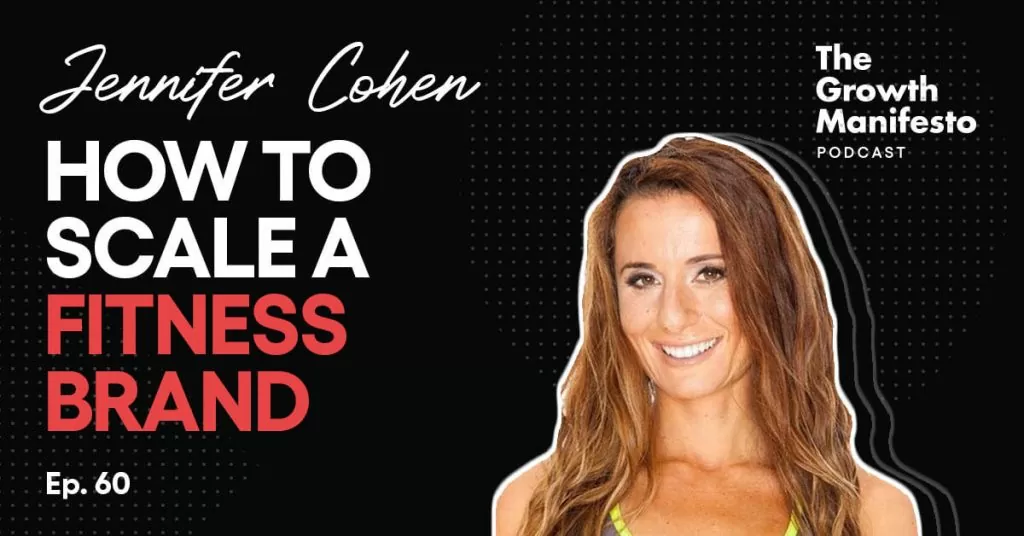
How to scale a fitness brand
Jennifer Cohen explains how to build and monetise a fitness brand through niche content, authenticity and the confidence to name your price.
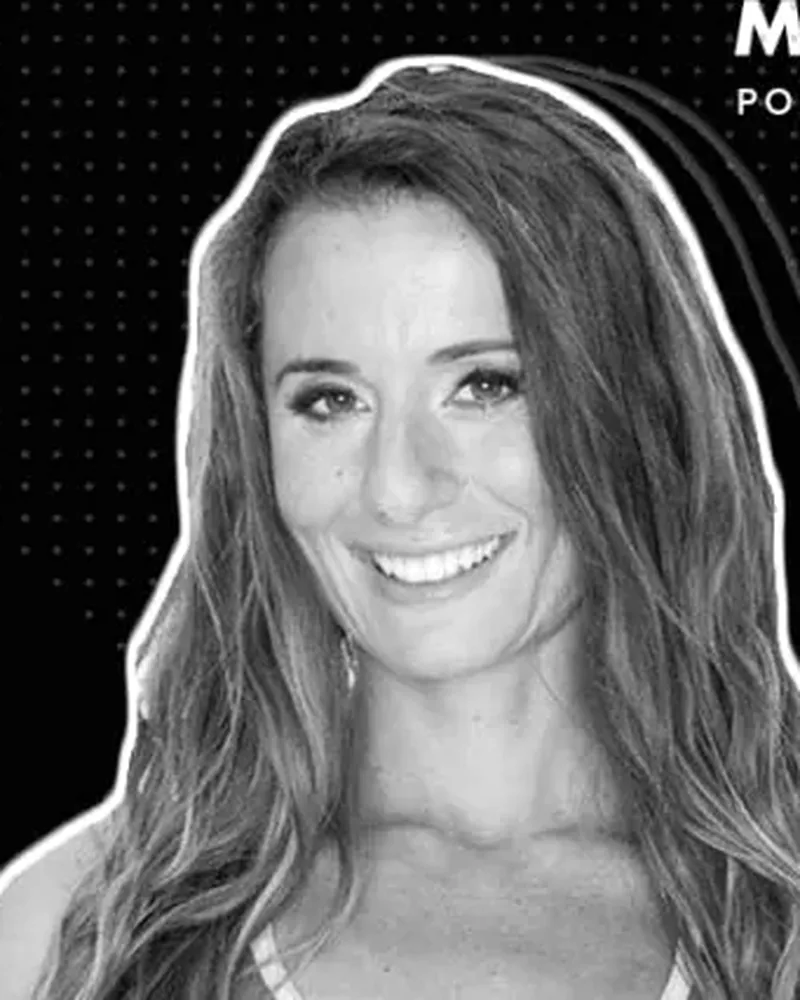 with Jennifer Cohen


Overview
This episode is with Jennifer Cohen – best-selling author, brand strategist, international speaker, educator, CEO of Suprema Fitness (a full service agency for the biggest names in fitness) and host of the Habits & Hustle Podcast. She was recently named in the “100 Most Influential People in Health and Fitness” by Greatist and is currently ranked #16 “Most Impactful Fitness Entrepreneurs” by Web MD. In this episode we talk about how to build and scale a fitness brand in today’s competitive digital environment, and the mindset needed to make it happen.
Key takeaways
- In a saturated fitness market, standing out comes from useful content and a narrow niche, not from trying to be a jack of all trades.
- Cohen's unscripted TED talk on being bold went viral partly because it was messy and imperfect, which people found more relatable than polish.
- She built her first fitness business by pitching herself as a dedicated trainer to a record label, then scaled from one label to three.
- When negotiating pay, let the other party name a number first rather than lowballing yourself, something Cohen says women do more than men.
- To help a celebrity monetise fitness, find the genuine passion they already have within health and wellness rather than forcing a generic platform on them.
Chapters
About the guest
Transcript
Auto-generated from the episode audio, so expect the odd mis-heard word. Timestamps open the video at that point.
Because people get so stuck in the thinking and like, what if this, what if that happens? I don't know. And like, by the time you figure it out, it's like three years later and you're still nowhere else. You're still sitting in the same spot you were in versus acting. At least if you acted and you failed, you know, you may have, you may have like pushed yourself a little further, at least like 70, you know, you can take like five steps forward and three steps back. You still are two steps forward. Right? Yeah. You're listening to the Growth Manifesto podcast, where we host in-depth interviews with business leaders, authors, industry experts, and entrepreneurs, with a singular focus around business growth.
At the end of each podcast, we want you to walk away inspired, to think bigger, and to have actionable takeaways you can apply to improve your business. Each episode is like a masterclass on a key topic, so make sure to browse the episodes to find the topics that are most relevant to your biggest business challenges today. This podcast is brought to you by Web Profits, a digital growth consultancy that helps challenge your brands drive growth in a complex and fragmented digital landscape. You can find out more about Web Profits at webprofits.io. Now, let's get into it.
Today, we're talking with Jennifer Cohen. She's a best-selling author. She's a brand strategist. She's an international speaker. She's an educator, and she is CEO of Suprema Fitness, which is a full-service agency. for the biggest names in fitness. She was recently named in the 100 most influential people in health and fitness by Greatest, and is currently ranked number 16 most impactful fitness entrepreneurs by WebMD. And she's a host of the Habits and Hustle podcast, which you can see just above her head right there. Today, we'll be talking about how to build a scale of fitness brand in today's competitive digital environment and the mindset needed to make it happen.
Just quickly, before we get started, make sure to go ahead and hit that subscribe button so you get the latest episodes as soon as they're released. Let's get into it. Welcome, Jennifer. Welcome. Well, thank you so much for having me. I'm really happy to be here. We've been trying to get this going for a little bit, and I know it's been a challenge with the time zones and everything else. Yeah. So this is a big moment. I know. It's a huge moment. It's great. I'm very excited. I'm very, very, very excited. Me too. But let's just get straight into it. Yeah. What's the current state of the fitness industry in 2021 with everything happening like in
2020 with COVID and all that? You know, there's all these kind of like shifts with Instagram and kind of the home workouts and all that type of stuff. It feels like the fitness industry is kind of going through a bit of a transition right now. How would you describe the state of the fitness industry right now? Well, I think that things always in the fitness space, there's always things that become trendy. There are a lot of fads and all that kind of thing. And there's really it kind of COVID or not COVID is kind of just emphasizes one thing over another.
But what what has been happening, as I'm sure everyone can imagine, is that when COVID hit and people weren't able to work out in their gyms, it became the new thing to home workouts were a big thing. And that comes in lots of different ways. You know, all the different trainers were now moving to doing virtual workouts, either by Zoom or on Instagram lives. And just, you know, anything. I mean, workouts in terms of it's usually going on YouTube and checking out a workout on YouTube and doing a fitness class or subscribing to a fitness channel.
I mean, that became what was obviously the only thing that we were able to do. But with anything in life, right, everything becomes habitual. You do something long enough and that becomes your new habit and your new routine and your new lifestyle. And, you know, that's been going on for over a year. So now that we're kind of shifting away from COVID, people that the world is opening up again. You know, the question is, and this is this is a really big question. And people in the in the in the business of fitness are trying to figure out what is going to happen.
Are people going to be much more adept to stay to what they now have become accustomed to doing, which is working out at home, where you can save so much time and money, right? Because if you're working out, if you're going to the gym, that time going to and from the gym can... It's a lot of time that you've wasted really virtually. Or is it going to be happening more again somewhere else? Now, what I've seen happen is I've actually seen, and I'm surprised to say that people bounce back going back to gyms quicker than I thought would have happened.
I think people really miss that social element, right? That ability to kind of see people and socialize and really feel connected to a community. And no matter how much you do that online, there's nothing that takes the place of seeing somebody face-to-face and developing that type of rapport. And so the question really is now what's going to happen with all of these online virtual platforms that people created.
A lot of other tech companies have created and started to help facilitate a lot of these virtual workouts too. And so do you think that the virtual workouts are here to stay for at least two to three more years with everything happening in the world right now? I think that the virtual workouts are here to stay to some capacity. I think there are people who are more comfortable now working out at home. And therefore, there's going to be people who will stay on those platforms and because they prefer it because of all the reasons I just said.
But I do think that there's going to be a hit, a loss in that space as well. Because like I said, people want to socialize. They want to get out there again. People have felt so cooped up and stuck in their space. that now that they have the ability to kind of leave their house and like work out somewhere else, that is very enticing to them. So I think that maybe it will sustain itself. Virtual workouts will sustain them. They will sustain themselves for a while.
But I do think there will be a big dip and decline in profitability. So one of the things which you do is to basically help the elite athletes create these online training programs and those kinds of things. Is that correct? So, well, you know, yeah. So basically I created, I do a lot of different things within the fitness space, health and wellness space. Health and wellness. Right. So my latest project was really, I created a company called Suprema, which was really, it's really what it is.
it's more of a marketing and branding management agency in the health and wellness space. That means managing other experts' businesses or creating opportunities for them to monetize better. And that could mean creating an online platform. So the one that you're speaking with is for... One of the things that we did was we took Ryan Lochte, who is obviously one of the best swimmers of all time. And we created this fitness pillar in his business where people can work out with him in real time.
Right. And train like an Olympic athlete. And so what was why we did that with him was because he's the best. He's one of the best athletes in the world. And so the opportunity as I saw it was, here is all these other fitness professionals and trainers and other people who are working out, making that their business online and having their people follow them. But how cool and how much better would it be to actually work out with an Olympic trainer doing what he does to get ready for the Olympics or what his routine is to kind of train with
somebody of that level, you know, that way to me was really cool in a time when we created this in a time when COVID was deep in COVID. And the way I saw it was I'd rather work out with someone like that than just somebody else who, you know, is more common to work out with. And that was one of the businesses that we created. Definitely. Now the question is, what are we going to do with it now, right? Because now to the point that we're saying, there are going to be a lot of people who
are going to stay and want to do that workout with him. And we're going to lose some people because people want to go to the gym. But the truth is you can do a little bit of both. You can go, you can, in today's time in fitness, and you can, there's not, there's not like, you don't have to stay in one thing. You can kind of do a lot of, you could do a little bit of everything. There's a variety. You can do some virtual fitness. You can do some classes at the boutique studios, you can kind of pick and choose. And that's the beauty of it, right? Like,
you can try out a lot of different things and see what you like, what you don't like, and find something that speaks to you and that you want to do, right? At the end of the day, we're not going to do something we don't want to do. So... But it seems that a lot of people are still going to be looking to get this content, to get this information online. So it does feel like the demand for these kinds of products and these kinds of ways to train is much higher than it was in the past.
Did you say that's a correct statement? What? These ways to train in what way? Like just online? Through digital. Yeah, yeah. Like these home-style things. There's so many courses now. There's so many people having their own little training program. So it seems like that's... Well, I think there's a lot of... Okay. So I think that absolutely. I think we're living in a digital time. I think we're living in a technology-focused time. So that's why... That's a good thing in the sense that, like I was saying, you don't have to go out and work out. In the comfort of your own home, you can Google any workout you want.
I want to try, you know, Zoom up. I want to be a Zoom up person. I want to do HIIT training. I want to do yoga. I want to do whatever you want to do. I want to do, you know, strength training for my arms. And you can just, with a click of a button, you can try so many things. And now everybody has like these 30, you know, one week free trials or two week free trials. And you can save so much money by trying so many different things and figure out what works best for you.
And that I think there's a lot of appeal to that. And so I think with everything that's been happening in 2020 and 2021, with everything opening and closing and then opening and closing again, I think people want some way to stay in shape. You know, I fluctuated quite a lot over that time, you know, especially when it first hit. And then the people I know that just stuck with it and they were just super healthy in that time. But I did see that pretty much everybody I knew had some kind of fitness training online or a shared training program through Zoom or something like that.
So it does seem like the world has shifted in a way. It may go back, but there's still so much uncertainty. There's quite a lot of opportunity still to create these kinds of programs at the beginning. And then that can then lead into product and other like merchandise and so on. But let's jump quickly. Before you spoke about that, there's so many people that have courses right now. It's become kind of a common thing. It's really hard to differentiate yourself, right?
And so what would you say are some of the best ways to differentiate yourself in this sea of personal trainers that have kind of, you know, on the followings of, I'd say, 50,000 to 150,000. Like everyone's got a personal brand, right? So what's the best way to stand out in this kind of environment? Well, I think that's a very good question. And I think that's something that people struggle with a lot, especially in the industry of fitness because it's so saturated. And when an industry is as saturated as fitness,
it's important to do two things. Number one, it's to really give good content. Content will always win the war. I think that people can only go so far with posting a selfie of their body. At the end of the day, people want to have content that they could learn from or they gain something from. So really make sure that you're giving your audience something useful, something practical that they can really kind of take in, digest and learn.
That's number one. The other thing is finding a niche. I think the problem is when we try to be a jack of all trades, we become a master of none. And then we get even more lost in the shuffle. The more we can hone in and really find a niche that speaks to like one thing is really a great way to really help build a community and build an audience. Once you have that, then maybe then you can pepper in other things. But I really believe staying true to being really laser focused on one area.
So people know when they come to see you what they're going to expect. Versus a lot of other people, it's very, very difficult. Because sometimes things hit and track really well. People get a lot of retention. And they're like, why are they getting retention? And I'm not getting retention. What am I doing differently? And like some of those variables are just, it's just kind of life. You know, there's, there's no way of really kind of, it's timing. It's who is in their circle in the first place that then they're getting
recommended to other people. Like, right. So it's much easier to grow when you're, when you have a baseline or your community is other people who are impactful to help, help spread your word. Right. But I think staying in your lane, being really laser focused, giving away really good content and giving away content for free. I think what people really try to do is they try to sell these courses too quickly. And then you're not able to really build and engage an audience.
I know for me, I like to go to the pages where I know I'm getting really valuable information, unique things as much as possible that I wouldn't be able to otherwise see somewhere else. and also following people or doing the workouts of someone that is very knowledgeable and educated in that space. I think knowing who you're dealing with is so important. There's so many people in the fitness space who are just like dodo birds.
They shouldn't be even doing some of this stuff. And so it's really just being a little bit discerning and being like, okay, who are these people? Who is this person? Do they have the background? Do they have the education? Am I going to not get injured? Can I stay safe? Am I going to get a quality workout? And a lot of that is about trial and error and asking other people your friends. But I think that being discerning is really, really important when you're trying to find somebody to work out with.
But on the other side, when you're trying to build a brand, giving away really good content that people can really use in their life and that they can find value in. And so all those examples of the things that people should look for, they're the things to think about in terms of the content which you create. you talk about you know just giving away uh the good content which is kind of you know the tips exercises or you know whatever else is the advice which you're selling but there's also the balance between that content and content about like yourself right like so people can get to know
you it's that kind of yes it's a combination it's a combination so how would you balance that combo like is there like a like an approach which you use like 50 50 or 70 30 like is there Or share this content, don't share that content. Is there any things that you could share? You're asking them. I'm hardly a social media expert. Okay, let me just tell you that right now. Okay, like I'm not a social media expert. I'm a little bit all over the place in that sense because I do. I'm not, I don't listen to the directions that I'm typically given
in terms of that because that's not, that's my Instagram, or my social media isn't really the way I monetize my business. If you're trying to monetize your business using social media, there's a whole other list of things that you should be doing. But what I do know and what I do believe... And me having a following is actually a byproduct of all the other things that I do. But I will say, there is a blend of having...
I think authenticity, showing who you really are is so key. I think for me, I'm pretty much what you see is what you get. You know what I mean? Like that's why sometimes it's like, it looks like vomit on there. It's like, I do a little bit of this, but it's real and it's authentic. And that's who I personally am. And I think that people respect and appreciate that. Like I did a TED talk a year ago, right? And it was called The Secret to Getting Anything You Want in Life. And it went viral. I had millions of views. And I remember after doing that TED Talk, when I did the TED Talk,
I was so disappointed in myself. And I got off of the stage and I said to my husband, oh my gosh, I forgot two huge pieces of information, two big paragraphs that I really wanted to nail down, nail home to bring home my message. And a baby was crying in the background. happened. There was a wrong slide that the guy put on. And it was like, kind of like a hot mess
in a way. And so I'm like, nobody's going to want to watch this. No one's going to really like it. And then at the end of the day, to my complete amazement, I could not... To this day, I cannot believe how well it's doing. I mean, people really love this TED Talk. And I think part of why it connected to so many people besides the message, which the message is, in my opinion, it's authentic to me. And I believe the message to be so true for anybody trying to pursue and optimize their life, both personally and professionally.
but the reason why I think people kind of really gravitated to it or liked it because I have thousands and thousands of comments is because it was real. Like it wasn't like polished. It wasn't perfect. And there's like a beauty in imperfection, right? Like I had notes written on my hand and I was all over the place and people can kind of like resonate with that. Right. Like I think that when people are trying too hard to like put up this like certain persona and thing, which is all what Instagram and social media really is,
you lose that authenticity, you lose that rawness. And I think if you're trying to grow your brand, if you're trying to really stand out, the best way to stand out is to stand out by being who you are and being yourself and not trying to be something perfect. because there's no beauty in perfection. No one can relate to that. And, you know, like it worked for that, you know, a lot of the comments are like, you know,
I think people really kind of like, oh my God, that's what happened. That would have happened to me. I bet you if I was up there, that would happen. And there's like that relatability that I think people really crave in life, you know? Yeah, sure. I think that's a fantastic point. And we're going to get to the topic of that talk as well at the end because I think it's awesome because I did watch it as well. And I think it's great. and I do think like and this is something that's happened like across all business now right because you know before um you'd have the office and you'd have the suit and you'd have the
the show and the shine and now everybody's just at home with a zoom background or with just a background at home the kids are running in the dogs are thing people are forgetting to turn off their zoom and they go into the bathroom sometimes it's just it's just become completely transparent kind of almost and I think there's a like it's kind of just leveled the playing field of you know you don't need to be perfect and have the perfect suit the perfect look the perfect thing the perfect office you don't need to go anywhere anymore pretty much you just have to be
you and to have value and to be there and to be honest and to communicate right that's like pretty much how all business is done is that yeah there's a couple other things happening as well but you know this yeah this is like most of my day you know there's a podcast sometimes and sometimes there's not so I do think that has kind of just lowered not lowered um it's made people just more accessible it's made people more friendly it's made people just more accepting of everybody's got something that's happening in their life that's not easy right now I totally agree with
you I think it's very disarming right when you see somebody in a situation where they're just like you, you know, they're sitting in front of a computer with their dog barking in the background. And like, you know, we're all sitting here, like, you know, doing this thing where with the microphone and the front of the computer, it's like very disarming. It's very, it's very much leveling the playing field. There is something to be said for that. But with that being said as well, there, like I said, from the beginning of this podcast, I think there is nothing that replaces personal connection, face-to-face interaction to me, to build relationships,
to build connections. There's only so much you can do. And you miss out on a lot of nuance when you're on a computer like that. But I know what you're saying. And your point is 100% valid, which is the fact that we're all sitting here with our dogs and our kids and my kid. There's been bazillions of times when I'm doing some serious meeting and I'm trying to be all professional. And my 6-year-old kid walks in, mommy's screaming and pulling on my hair. I mean, you're kind of like, it is what it is, right?
If you have kids, you laugh and you understand and it kind of creates a bond right there, right? You're like, that's happened to me. So before, you said that you built your fitness brand not through the social channels. How did you build it? Well, because remember, I'm old, right? So social media, you know, I was kind of already doing my thing way before Instagram was even involved with anything or Facebook and all that.
But my whole thing started very differently. I started with being in a totally different business. I was in the music business. I was running marketing for a record label. and I'm Canadian and I got a job offer to come to LA where I live now and working for a different label. And when you go from country to country, as maybe you know, or don't, but you are on a working visa. And so you can only work for that one company legally. So when I left, when I was working with Sony and I decided to leave the music business, I had really no other way to make money.
So I thought, I'm going to become a personal trainer, right? In the meantime, until I figure out what I want to do with my life. And then when I got my first training certification, through that process, I figured, you know what, I'm going to go back to the areas where I have relationships, which is in the music world. And I basically just created my own job opportunity. I created this idea and I pitched myself to the head of the label that I had the relationship with as being a label trainer, which really didn't exist.
I was making it up. I'm like, how about this? I know how your money is being spent in marketing. You have all these artists on your roster who need to be fit, get in shape for their videos or their tours. let me be that trainer and i know how the talent works and the guy's like what are you talking about like what you are going to be our trainer i'm like yeah i am going to be your trainer because i know and i was explaining to him why and how and and he's like okay fine we're going to give
you a chance and so he gave me that chance and then it thankfully it worked out i was i was put on retainer so i was never capped at like you know an hourly kind of position which i didn't want for myself. And then one label turned into having two labels, turned into having three labels, where then I had to hire a bunch of trainers underneath me, which then of course became my business. So I've always been very much an entrepreneur and a very much about a person who liked to work for themselves and to kind of like, I eat what I kill or I kill what I eat or
whatever. I'm okay with that. I'm okay with that. And, and so that was how I started into the whole entrepreneurial business stuff. I just chose to do it in the fitness, in the fitness space. And so how I started to build my brand was different social. There was always influencers, but it was a different type of influencer. Then it was about famous celebrities and rock stars and actors carrying around or wearing your clothes or carrying around these things.
And the gossip magazine would take pictures of the paparazzi like the Us Weeklys and Life and Style. And so that's how it started happening. So I was technically very close to all these very famous people because I trained them. So then companies would send me stuff, right? So then clothing and shoes, so that these people would see me wearing it. And therefore, maybe they would want it or they would send it to me. So they would wear it. And so that's how it worked back then.
And so then if they were wearing, you know, a Nike hoodie, then they would be, you know, they would have a paparazzi guy take a picture of them as they're walking to their car. And that's how things became like that. So there was always, there was always that business of like, as an influencer, it just was very, very different back then because they didn't have the social media. So I guess technically I was an influencer back then. I would wear something and then someone else would be like, hey, I like that.
Or they would send it to me, whatever else. But that's how it worked back then. But anyway, my point is, when I was doing all of this stuff, I ended up getting a book deal with a company. And I decided to call my first book No Gym Required. And I wanted to give people these simple, easy ways that they can integrate fitness and health into their life without using a gym. So I've always been a huge advocate for not relying on the gym to be healthy or fit.
And there's never an excuse. Like to me, if someone says, oh, I can't go to the gym today. Well, that to me isn't an excuse for you not to take care of yourself or exercise. Like to me, there's no magic pill by going to the gym. The best way to actually be healthy, to be fit is really using the basics. like watching what you're eating. That's not at the gym, you know, like basic body weight moves, you know, and a little bit of cardio, walking around your block, doing some squats, doing some pushups.
You didn't need to use the gym. So I did my book. And then I decided to say, well, you know what? I named it something where I can build an entire company. And then that's when I started building. I had a shoe company at the time. I started, I, I created a shoe called the NGR fit shoe, which was an interchangeable weighted midsole that you could put in and out of the shoe that helped you burn up to 25% more calories because you're adding that resistance, that weight to your shoes. And so that was my first, that was kind of like my big first, you know, entry into the world
of, you know, products or brands. And so that's how I started. And from there, it kind of just went from there. I love the hustle, number one. I love that you just hustled the labels to get started and the confidence. Like, yes, it's that. Like, it must have been at that point, that first point, that first conversation before it all really started. Like, how did you think about it? Like, it feels like so much pressure to like the pricing, you know, because everybody
would completely undervalue themselves and, you know, they won't go for the retainer. They think they're too expensive. How did you, you know, just have like, or what was it about you that just kind of had you to do it like that? You know, because that's, that's unique. That's special. That's the hustle. It's called habits and hustle. It's a hustle. It's great. It's called habits and hustle for a reason. Well, I think that, I think the problem is, and I'm not excluded from this, right. I think that we all tend women, especially men don't do this as much,
but women especially usually undervalue themselves in the work and workspace. Like they will undervalue how much money they should be making. And if somebody offers them something, they'll take it. They won't negotiate on their own behalf. They feel like guilty. They feel bad. They don't want to hurt someone's feelings. And so I'm not really any different. It's called the only thing that makes it different is called practice. I think that over time, what you do, I saw, I, I would be victim of that myself.
And then I think over time, I kind of just practiced not doing it to where it became my new normal. Um, you know, if you want to know the truth, like maybe my retainer should have been three, five times the way I actually asked for. Right. But because I was like nervous and insecure, had like, you know, doubt, I doubted myself. I like lowball myself as opposed to saying to the person, how much would you pay me a month? You know, I said,
I'll do it for this much a month, you know? Uh, so giving it, give it basically a great, a great, um, tip is never, ever vow never, ever put the number out first, but the other person who is going to be paying you make their first offer, right? Cause probably nine out of 10 times, they're going to make, they're going to say a number that's higher than the one that you would say for yourself, especially if you're a woman. And especially in the beginning, especially in the beginning when you don't know what context is now,
I think you'd be okay putting a number and being confident with it. I think it's good right now. Right. I would be better. I'd be better. I hope. I think that's still, yeah, I would be better, but I think still like it's like, it's my nature. I think it's nature of my women's nature in general to kind of second guess that idea that you have that emotional piece sometimes that gets in the way. So yeah, but I think you get over it by doing it over and over and over again and practicing it.
Yeah. And finding ways to value yourself. I think knowing your value is incredibly important. And so there's lots of different ways to feel that. It's kind of like... bring in that value to yourself, like let yourself be open to having that value as opposed to the opposite. And how do you do that? How do you kind of help yourself, you know, to be open to that value? What are some of the things people can do to practice that, you know?
Well, this is what I think is really important. And I talk about this quite a bit with people is that I think having self-awareness is really, really key because I think that knowing what you're good at also knowing what you're bad at is really important and focusing on those strengths really help build your confidence right and once you focus on those strengths and you start having small wins like action i think that you start moving like instead of sitting stagnant and thinking about so much stuff the best way to build confidence and is to
to move and to do out, have action. So like have smaller wins and focusing on what you know, you're good at, as opposed to like worrying about what you're bad at. I think overthinking things is really detrimental to sometimes it's good to just to act and not think so much. I also think that it's trial and error. I think if you don't really know what you're good at, you don't really know what you're bad at, start trying a lot of shit and you will find out pretty quickly. I think overall though, I think also if you're following what you actually genuinely like
to do, it's really, really a good testament. I think that I'm not great with administrative stuff and paperwork and spreadsheets. That's just not my strength. So if I do that, then I get really... it diminishes my confidence because I'm bad at it. And I'm seeing myself not do very well over and over and over again. Versus if I did something that I am good at
and I kept on doing those things over and over again, it builds my confidence. And therefore, I go after things that I know I'm good at and I know my value with it. Yeah, that's fantastic advice. And I think the key point in all that advice is just action. like it's going to happen through action it doesn't happen through thinking it doesn't happen through doing you know it happens through doing because people get so stuck in the thinking and like what if this what if that happens i don't know and like by the time you figure it out it's like three years later and you're still nowhere else you're
still sitting in the same spot you were in versus acting at least if you acted and you failed you know you may have you may have like pushed yourself a little further at least like 70 you You can take like five steps forward and three steps back. You still are two steps forward. Right? Yeah. Super point. Super point. We digress, but this is a fun digression and I love it. Right. But let's just jump back quickly to, okay, let's say there are quite a lot of celebrities out there and there are quite a lot of kind of influences with a very high following,
but they're not really monetizing it the right way. What are some advice which you can give them, strategies, or how would you help them through Suprema Fitness to really start to create a fitness brand around their persona? Well, it depends. It depends on who you're talking about. There's a lot of people out there. And I'm not talking about people who are doing fitness. I'm talking about people who are very, very well known, but they're not monetizing on the fitness when I know that they clearly have a lifestyle for it.
So there's a lot of people who I speak with or I see and they have a lot of followers who are very interested in them and what they're doing day to day. And part of what they're doing day to day is they already have a passion and a genuine, authentic interest in wellness and fitness. They're working out on their page already. They are doing all sorts of different wellness hacking tools.
They're doing the red light. They're doing the saunas. They're going on hikes. They're going on jogs. They're working out with their trainers. To me, it's like they're doing it already. So then when they're authentic about it, then I think then what I do is I try to build a business around it, either by doing like workout platforms with them or finding out what exactly... Trying to hone in on exactly what their biggest passion and interest is, what they're the most interested in doing.
And then we try to create businesses around that. Like the Ryan thing was an example of that where, and there are other people too, other celebrities who were working out all the time and people want to work out with them, but you know, they're just, they're not. So then like, that would be another person where we go with, we would do a, we would do a platform for them where people can work out with them for like a subscription based model where for $10 a month, you can like now work out with me and do what I'm doing. So to me, that's how you would monetize it. Or you do another type of... You could do
a supplement based on what they're taking. And you create an actual brand and a business around them versus just them doing what they normally would do. Say an actress who makes their money as an actor by doing movies or whatever else. But now they can build a brand by having products, having services, having some of their content be really streamlined to more fitness or health or whatever that is. And they are now becoming a business brand in addition to just being... Not just, but doing whatever they're doing.
So what do you say? I'm sorry. I want to say one more thing. The reason for that is you have a built-in audience already. right so if you already have a million people following you already but a real audience like an engaged audience and you're not doing anything with that to monetize it you know then there's there's then that's where the opportunity becomes an opportunity so would you say the first place to start is creating some type of training some type of like a live training thing that people
can start to subscribe to you and to kind of... Well, that's what we do. That's the first step. Well, that would be one of the... That would be a first step if the person really is a fitness person. There's other people I work with who, you know, they're very hardcore health experts. And they work out like a dog every day. But they don't really want to be doing a fitness platform because their focus is much more on the sustainability of the environment and what you're eating, what's being put in the soil
and where do you get the most nutrients? So everybody... I don't ever like to pigeonhole somebody into one specific spot. It truly does because I am a big believer in authenticity. I always go back to the same thing. Authenticity. I'm not going to make somebody do a fitness, digital fitness platform, even though they work out constantly when that's not what they want to be spending their time and energy on. When they have a deeper passion within their health space,
they're just not doing anything with it. So my job, my role is to really kind of get out of somebody with their real true heart passion is under the health umbrella and then help them create and monetize a true brand and business under that for it to come to life. and is there always a way to monetize it um according to what they want you know so for example not always okay not always but you know sometimes you can monetize it by
you know you can be a really good source of information and people really want to see you over and over again so maybe you write a book maybe you get maybe you write a book about it and you can kind of like start that and then you have like some credibility you can start doing speaking engagements, motivational speaking on it, go to corporate speaking. There's always ways to kind of build on someone's brand, but everybody's so individual that it's really, really hard. That's why, again, I'm going to go back to not just authenticity, that's one, but also knowing your strengths, knowing your weaknesses, what you really stand for,
what you're really passionate about is another one. And to stay true to those things. And, align yourself with partners who are in similar alignment as you, who have the same goals as you, who see your vision, who want to expand on that vision. I don't think it's about a one-size-fits-all approach. Everybody has a different thing. Now, remember, we're talking about people who are celebrities. Let's take it down to a micro level with people who are... or people who are trying to build a brand who are not Angelina Jolie.
I'm just making it up. Or whoever it is. Brad Pitt. I think it's more difficult when you're not a big name, obviously, to build a brand. So let's talk about how people can build a brand again and hone in on those messages. because I think it's more important for your listener to really get that stuff so they can integrate these things into their life. Authenticity, finding your strengths and weaknesses, being self-aware, doing what you're really good at.
These things like finding a niche, narrowing down what that is, really giving people great content. Also, the other thing that we didn't talk about is not looking where the market is right now. try to forecast where the market's going to be in five years from now. That's another big one. Because if everyone, everyone's a me too, I'll do that too, because they're doing it. I'll do that because they are doing it. And it's like, you know, try to think a little bit outside that box of like, if this is trending now, what may, what, what would this,
what would happen? Where does that lead to? Where does, if A equals B equals C, you know what I mean? Like try to think a little bit ahead of what, where the market is going by where it is now. Is that in terms of the channels that they're engaging with people or the products that they're making or the information they're sharing? Like which area? I think all of the above. I think if you're going to be someone who is giving information or trying to build a brand, don't just... You've got to look in the future and give people what they don't even know
even exist yet as opposed to just giving them the same thing that everyone's giving them right now. I think you ought to be very cognizant and do a lot of learning on your own to know how and what to provide that there's a hole in it, what the holes are in the marketplace. I think spend time on that. And if you don't know, talk to other people. like seek out really good educators and experts in those areas and like glean information from them
i like that plan because it's so competitive now because everybody's got a following now and everyone's trying to create product and everyone's trying to really create a business it's really this is the part which i like to talk about as well like people just need to spend a bit of time thinking i think there's like but i'm a person that takes a ton of action and doesn't always think about the things he does he just action action action sometimes the mistakes but just to your point earlier through action that you learn you find your strengths and so on but there's also another part where if you do a bit of thinking about the direction to push all that
action towards everything can be better and i think like this is the perfect example of that where you know just have a think about the future have a think about the channels never think about your your content, have a think about all these different parts and try to create something that kind of can differentiate you and can set you up for the future, you know? Absolutely. I think that's a fantastic point. And it's something which is hard to do because to sit down, like at a cafe or something and have like a piece of paper that's completely blank and you just have to put down thoughts
and try to kind of mind map it, it's hard, you know? Like, like it's not something that a lot of people are accustomed to, you know, they can post on Instagram. They can post this, they can upload this, they can do that. They can make phone calls. They can do Instagram lives, Instagram stories, Instagram messages, but just sit there and just take time, switch off your phone, switch off all the notifications and think is hard. So I think that's a fantastic point. I think that's a great, a hundred percent. You should schedule it like you would anything else because you're right. You can have one without the other. It's about like,
you can't just act, act, act and not think. And so in order to like, you have to write, you have to have goals though too. Like write out what your goals are, you know, so that you're working towards something and then work backwards. Okay, if I need to, if I want to get this accomplished, reverse engineer to get to that point. Yeah, exactly. And, you know, kind of have goals and plan. I think that's what that thinking part is, maybe what we're talking about, right? is that kind of that longer term, like that's the direction,
that's the place to go to. Here's how I'm going to be different, not what are all the things I have to get done. It's more just, you know, where is my life going? You know, there's bigger questions that people should be asking. I'm not quite sure how many of them are, but, you know, that's exactly to your point, like how to prepare yourself and how to create something that is special in the world and that does have the biggest possible impact. Absolutely. I agree with that 100%. One more point. Let's go on to your TED talk now because that was on what? Could you tell me just what it was on?
Instead of me telling them, I'd rather have them have you kind of explain what it's about because it's all about winning. So can you just talk about what it's about? It's about being bold. It's about asking for what you want. It's about chasing what you want, not just taking what you get. I think that just sums everything up right there. A lot of times we get comfortable and okay with what's good enough in front of us as opposed to chasing what we actually really desire and really want.
And it's about really kind of like living in that statement a little bit because that's really the mission statement, right? When we look for a job, a lot of us tend to see what's online on LinkedIn versus just honing in on the one company that we really wanted to work with and going after them. I think there's like... And that's where the action comes into play. And so my entire talk is about the 10% target, which is making these 10 attempts to get anything
you want in life. And the idea behind it is you may not get that exact goal, but another opportunity will present itself that you didn't even know existed by just going through that process. And I've learned that myself time and time again. And, you know, again, it's about practice. I don't want to give away the whole thing. People should go listen to it. I should go listen to it. Right. But that's the gist of it. And I think that anybody who is in a transition in their life or just starting out and not knowing exactly what to do, I think they really should listen to it.
Because I believe that there is a lot of things about it that I think that's why it's done well is because it's hit home on a lot of different things like that. And I think that it's very, very important when we have only one life, make the best of it. like self-actualize and optimize as much as you possibly can and not get stuck in that self-doubt, fear of failure that we all seem to do so often. I love the 10% target thinking. I think that's about all that action that we just spoke about.
And the people who are listening should go and check it out because it's fantastic. but from the side of being bold what do you mean by being bold what do I mean by being bold I mean go put yourself out there is really the best way to put it don't be afraid to put yourself in a situation that you may not win at don't be afraid to ask the question don't be afraid of what the answer might be right it's about just being out there again and in your in your truth in your own
authenticity in life and going after what it is that you want and not shrinking and shriveling yourself up and taking whatever is around you and accepting that that's like in anything you know I'll even take it to a place of like how many times have we gone out with a person like as a girl, you know, when a guy asks you out, you'll, you know, like, we'll go out with the person who asks us out versus like being like, you know, I really liked that guy, but I'm too scared to ask
him out. So then I'll just go out with like this Joe Schmo because he asked me and I'll, and then what happens, you end up marrying that person because it was the guy who asked you out versus it. Was that really the person you really had an interest in? Maybe, you know, maybe, maybe not, but at least know your options right like go out there and at least go after who may or may not be someone that you that you wanted to go out with he may say no he may not be able to go out with you whatever it is but never I'd rather live in a situation where I'm where I'm um rejected than
living in a place of regret that's all yeah fantastic fantastic and look I think just to that point as well it's really um it's just going for it you know it's really just like to go for the thing which you want like just to your point you know like it's just to go for it you know sometimes people go hey I want that but ah that seems like I probably don't deserve it it's probably what everyone thinks or or I might fail and I might get it right you know there's all that's like they're the big ones and you've probably got like parents somewhere in there
saying some stuff in the back of your mind as well like you've got all these things holding you back from the thing which you just kind of had a thought about you know so yes I agree yeah because I like to think sometimes I'm like hey I want that but then it's that first thought that you get kind of oftentimes is what you want then all the shit comes in and lowers it down right just lowers it down to what you believe that you deserve you know so I really like that talk because it gets you thinking about hey what is it that I want and hey there's this 10% target strategy for how I can just try, you know,
but not try once, you know, just kind of understand that, you know, no one's going to just the first time that they want something, just hit it. And if they do, good luck. That's very unique in the world and you should feel very special. But most people, they have to actually take a few steps. So I like the combination of the thinking of being bold and what you can do about it. And I think that combination is kind of the pathway to achieving anything that's of substance in life. Exactly. Hence the title, The Secret to Getting Anything.
The secret isn't such a secret, right? Like the idea is like there's a beauty in the simplicity of it too, right? Because, you know, people try to overcomplicate the most simple things. Great. This has been a great chat, Jennifer. I've had a really good time talking through pretty much everything that we've spoken through. if there was one action that you would like the listeners of this podcast to take, like some website to go to a book to check out. I'm actually writing a new book right now on this topic,
but it won't be out for a long time, but I think that they can follow me on Instagram at the real Jen Cohen.com. I have a website and I have Jennifer Cohen.com. I think that's good. I mean, that's all. Oh, they should listen to my podcast habits and hustle. subscribe to that obviously yeah yeah and i mean that's great that's i think that's those are three good ones three good ones jennifer thank you so much for coming on the podcast it was worth the back and forth to get to this point i've had such a great conversation with you um and i'm sure the
listeners are going to agree so thank you so much um and we'll talk soon absolutely it was really nice to meet you nice to meet you too thanks for listening to the growth manifesto podcast If you enjoyed the episode, please give us a five-star rating on iTunes. For more episodes, please visit growthmanifesto.com forward slash podcast. And if you need help driving growth for your company, please get in touch with us at webprofits.io.